Opposition grows as Rail Tie wind project advances in Albany County
Tie Siding could soon sit in the shadow of 149 turbines as the Rail Tie project clears regulators, deepening fights over views, wildlife, and property values.
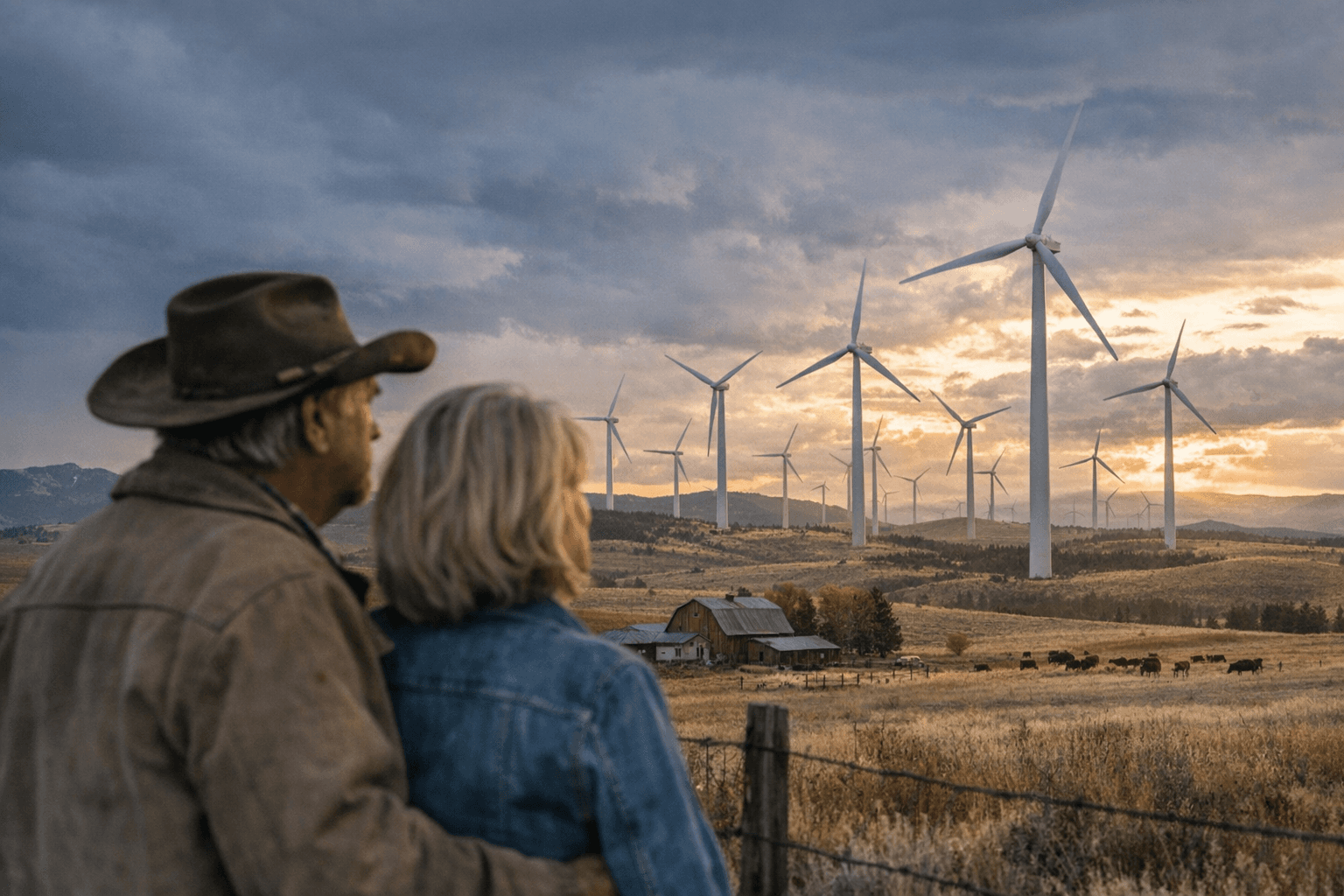
The Rail Tie Wind Project could turn much of southeastern Albany County, including the Tie Siding area, into one of the most visible industrial wind corridors in Wyoming. The 504-megawatt proposal calls for up to 149 turbines spread across about 26,000 acres, and opponents say that scale would be impossible to miss from nearby homes, ranches and travel corridors across the Laramie Range.
The project has been in development since 2019, and the fight over it has already moved through county, state and federal channels. Albany County commissioners approved the project in July 2021, the Wyoming Supreme Court upheld that approval on April 18, 2023, and the Wyoming Department of Environmental Quality’s Industrial Siting Council approved it in December 2023. On Dec. 23, 2024, opponents filed a federal lawsuit to stop the project.
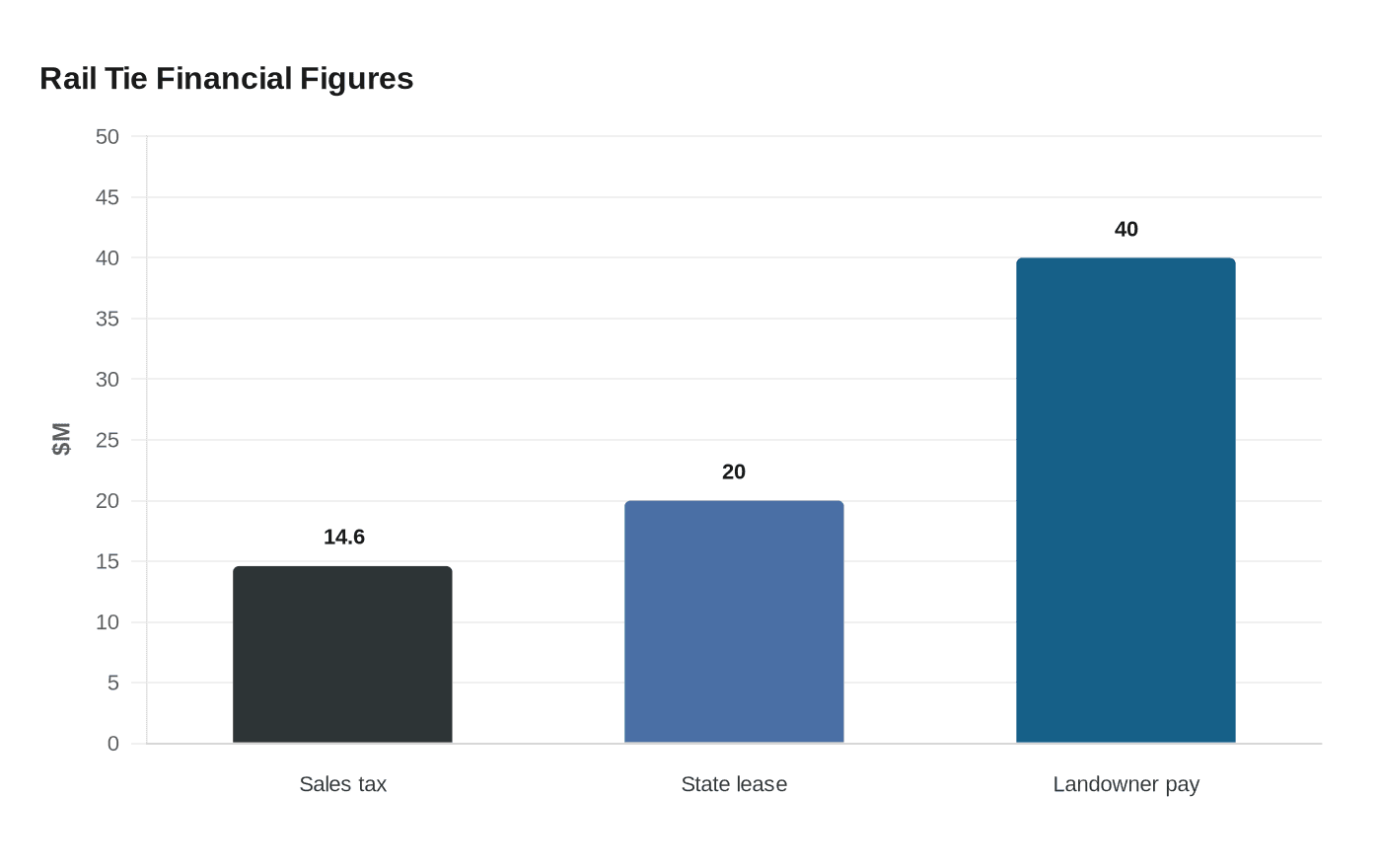
The county and project supporters have framed Rail Tie as an economic boost for Albany County. The project website says construction is expected to generate $14.6 million in sales and use tax for the county, while earlier reporting said the state lease could bring about $20 million over the project’s 35-year life. Supporters also point to long-term landowner leases, with one estimate putting annual payments at $40 million. Those numbers have become central to the debate because they set the financial upside against the physical changes that would reach beyond the lease boundaries.
Opponents have focused on what the turbines would mean day to day for people living nearby: more noise, altered viewsheds, declining property values and a stronger industrial footprint across the Laramie Range. Wildlife concerns have also stayed at the center of the fight, especially for golden eagles and other birds. Other objections have centered on wetlands, stream crossings and the transmission infrastructure needed to move power out of southern Albany County. One lawsuit filing referenced as many as 109 stream crossings and turbine heights ranging from 500 to 675 feet.
The Industrial Siting Division, which reviews the socio-economic and environmental impacts of major industrial projects before construction permits are issued, has already signed off on the project’s siting. With local approvals in hand and court challenges still active, the Rail Tie fight now reflects a larger regional worry: that wind projects in Albany, Laramie and Platte counties could connect into a continuous “wind wall” across southeast Wyoming.
This article was produced by Prism’s automated news system from verified source data, official records, and press releases, then run through automated quality and moderation checks before publishing. The system is built and supervised by the people who set the standards it runs under. Read our full AI policy.
Did this article answer your question?
