Rock River blends railroad history, rural calm in Albany County
Rock River’s railroad past still shapes its present: a tiny Highway 30 stop where history, agriculture, and pass-through traffic define the local economy.
A town built by the railroad
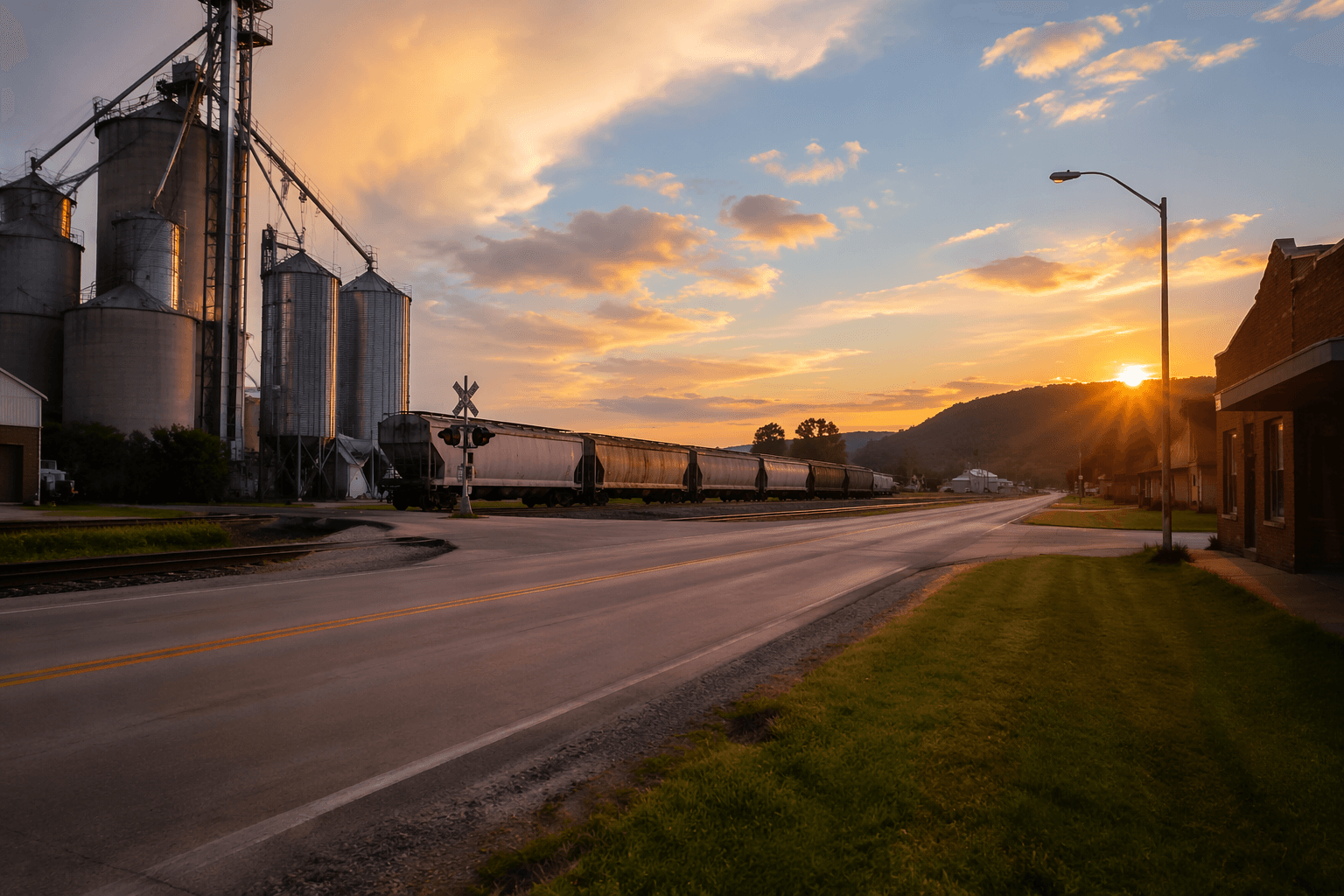
Rock River still makes sense if you start with the tracks. The town was founded in 1898, when the Union Pacific line shifted west of Rock Creek Station, and that origin still explains why this small place exists where it does. In Albany County, where Laramie often dominates the map, Rock River stands out as a settlement that came of age because rail traffic chose a route, then highway traffic followed it.
That lineage matters because Rock River was never built to be a big city center. It grew out of a railroad landscape that helped shape southern Wyoming’s towns, turning early “Hell-on-Wheels” camps into more orderly communities. The result is a place with a compact footprint, visible traces of older architecture, and a strong sense that transportation, not urban sprawl, set the terms for life here.
Highway 30 still drives the town’s identity
Rock River sits about 40 miles northwest of Laramie on Highway 30, and that road remains central to how the town is seen and used today. The same corridor that once followed the southern rail route became U.S. 30, tying Rock River’s past to the movement of people, freight, and money across southeastern Wyoming. That is part of why the town feels less like a destination built around attractions and more like a place shaped by the rhythm of who is passing through.
For travelers, that makes Rock River a practical stopover. For local businesses, it can mean a customer base that is partly local and partly made up of drivers moving between Laramie and points farther north. The town’s identity is therefore economic as much as it is historical: a Highway 30 community that depends on being seen, reached, and remembered by people on the road.
Small population, wide-open setting
The population figures tell their own story. Visit Laramie describes Rock River as home to roughly 250 residents, while the U.S. Census Bureau counted 211 people in the 2020 census. However you frame it, the number is small, and the town’s 2.33 square miles of land make that smallness visible in the landscape.
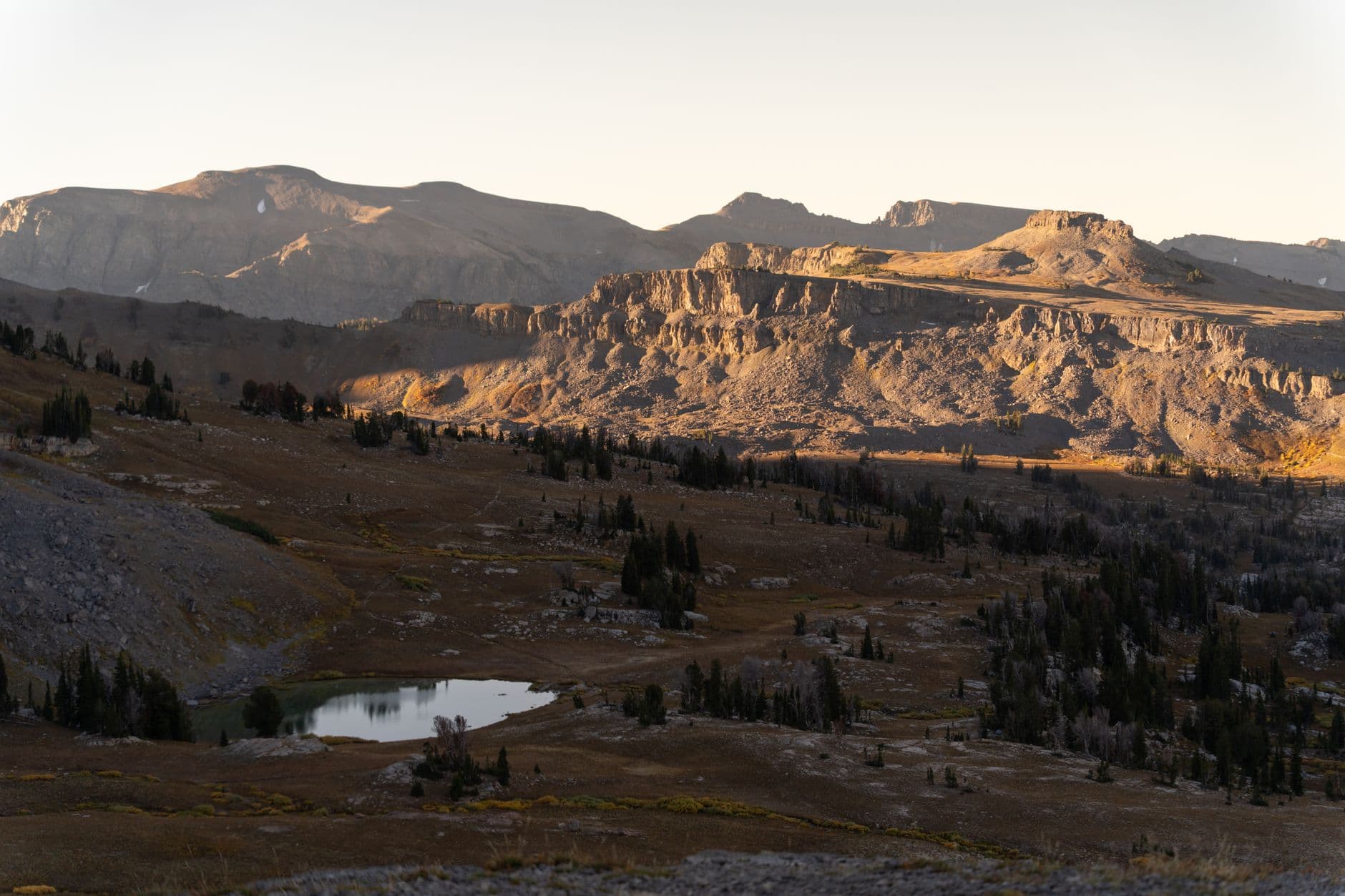
That scale helps explain Rock River’s rural calm. With around 211 to 250 residents and a broad Wyoming setting, the town offers a slower pace than Laramie and a far quieter experience than the city’s college and service economy. It is the kind of place where the open-country geography is part of the daily identity, not just a scenic backdrop. The agricultural character is plain in the way Visit Laramie describes it, as an agricultural hamlet, and that description fits the town’s steady, understated feel.
Why Rock River feels different from Laramie
Rock River is only about 40 miles from Laramie, but the two places serve different purposes in Albany County. Laramie is the county’s largest population center and the better-known urban anchor, while Rock River functions more as a rural node on the county’s transportation spine. That difference is easy to feel in the pace of the streets, the scale of the buildings, and the role each community plays in day-to-day commerce.
The county’s tourism materials present Albany County as a collection of distinct communities, each contributing to the region’s travel and recreation economy in its own way. Rock River fits that model precisely. It does not compete with Laramie for metropolitan energy; instead, it offers a roadside version of Albany County, one that shows how much of the county still runs on open space, agriculture, and the movement of people along long corridors.
A railroad town in a county shaped by transportation
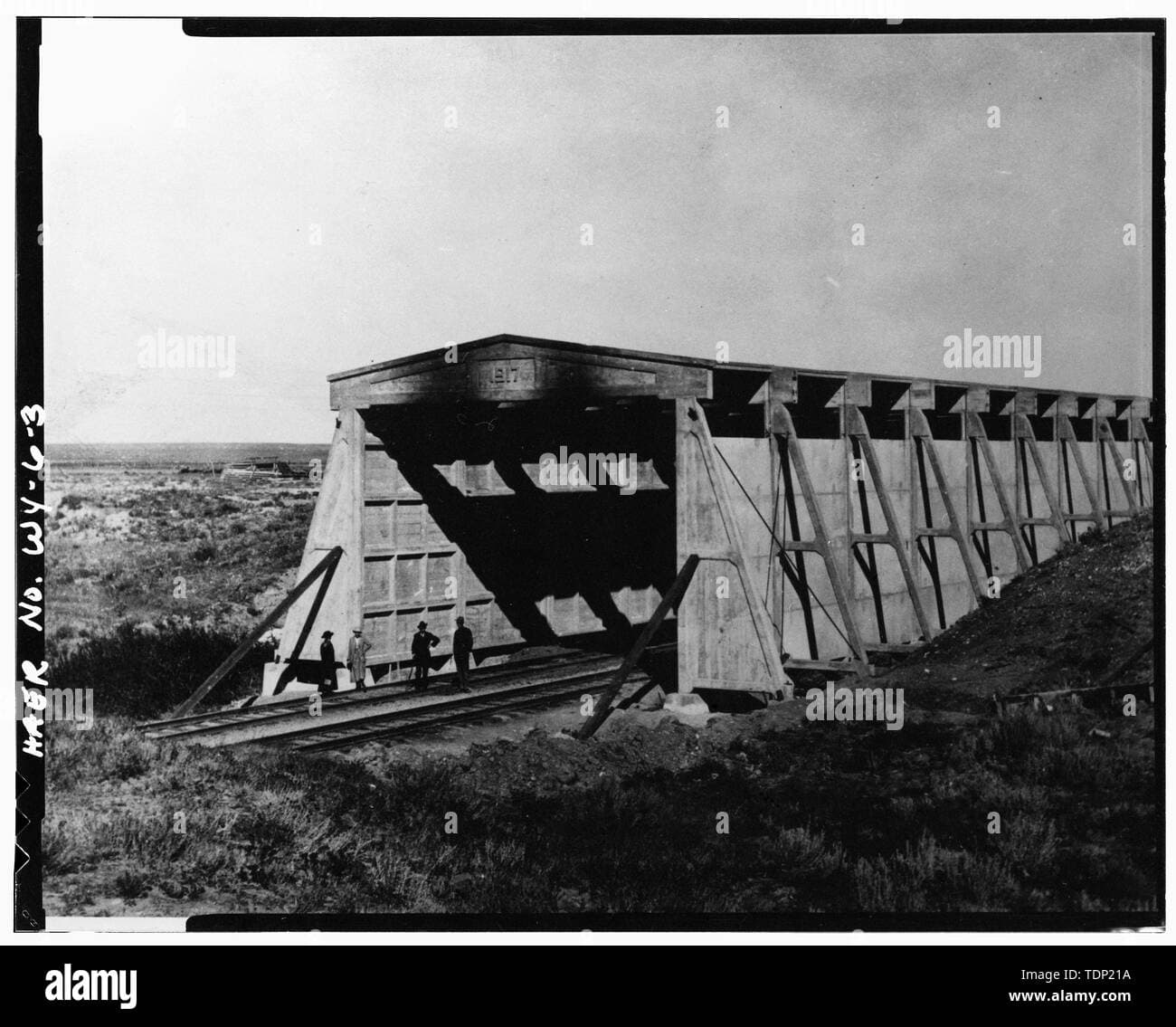
Albany County’s larger history helps explain why Rock River still matters. The county was created on Dec. 16, 1868, before Wyoming was even a territory, and WyoHistory describes the Union Pacific Railroad as central to the development of the county’s towns and economy. The railroad brought commerce and population to places where the line stopped, and those settlement patterns never really disappeared.
WyoHistory also notes that the Lincoln Highway, established in 1913, followed Wyoming’s southern rail corridor and later lived on as U.S. 30. That detail matters in Rock River because it shows how one route layered over another. First came the railroad town, then the highway town, and now the community’s place in the county still reflects that same transportation logic. The road did not erase the railroad story, it extended it.
What that means for local life and local business
Rock River’s economy is tied to its size and location in ways that are easy to underestimate. A town of just a couple hundred people cannot survive on local demand alone, so pass-through traffic on Highway 30 becomes part of the equation. That makes Rock River both vulnerable and resilient: vulnerable because a small customer base can’t absorb much economic loss, resilient because travelers still need fuel, food, rest, and a place to stop between larger population centers.
The town’s railroad roots also give it a distinct identity that can help it survive. In a county known for open landscapes and a mix of communities, Rock River offers something that is both simple and legible to visitors: a true small town with a transportation story behind it. That combination can draw people who want space, history, and an authentic rural stop, not a polished commercial district.
Rock River’s place in Albany County today
Albany County’s 2020 census population was 37,066, and the county’s 2025 estimate rose to 38,558. Against that backdrop, Rock River is a tiny piece of the county, but it remains important because it shows how the county’s identity is not concentrated in one city. It stretches along the rail and road networks that built southeastern Wyoming, and Rock River is one of the clearest surviving examples of that pattern.
For anyone moving through Albany County, Rock River is a reminder that the county’s story is bigger than Laramie alone. It is a small community with a railroad birth, a Highway 30 future, and a rural calm that still reflects the land around it. In that sense, Rock River is not just on the map. It is part of the reason the map looks the way it does.
This article was produced by Prism’s automated news system from verified source data, official records, and press releases, then run through automated quality and moderation checks before publishing. The system is built and supervised by the people who set the standards it runs under. Read our full AI policy.
Did this article answer your question?