University of Wyoming roundup highlights research with local economic and environmental stakes
The University of Wyoming communications office published a roundup on January 5, 2026, summarizing recent media coverage of UW researchers and programs that bear directly on Albany County interests. The compilation draws attention to energy-market analysis, high-country tree die-off research, fisheries work on Yellowstone cutthroat trout, and local program milestones that affect jobs, recreation, and family services.
The University of Wyoming communications office on January 5 released an aggregated roundup of recent media coverage showcasing UW research and programs that have relevance for Albany County residents. The summary lists several items, including UW economist Rob Godby’s commentary on coal demand and broader energy market reporting, botanist Daniel Laughlin’s work on high-country tree die-off, UW research on Yellowstone cutthroat trout, and a batch of UW press releases republished by local papers, among them coverage marking the Early Care and Education Center anniversary.
Those items together reflect the university’s footprint in statewide and regional public discussions. Godby’s energy-market analysis touches on a sector that remains central to Wyoming’s fiscal outlook and labor market. Shifts in coal demand and energy prices have direct implications for state and local revenue streams and for families tied to extraction and utility employment. For Albany County, where local government budgets and household incomes are sensitive to energy sector cycles, attention to market signals and policy responses is an economic priority.
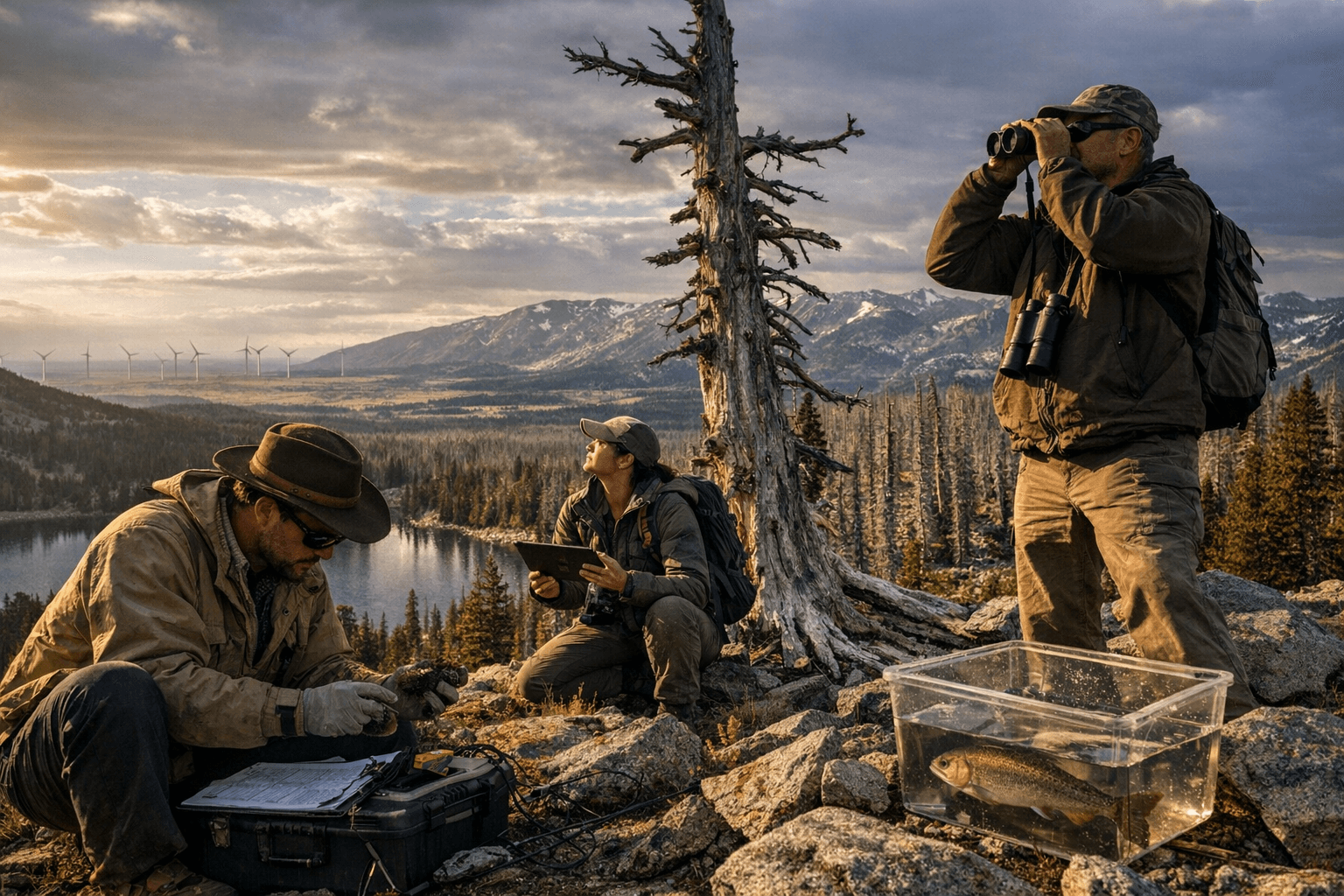
Laughlin’s high-country tree die-off research raises environmental and economic concerns for the county’s outdoor recreation and property sectors. Tree mortality in alpine and subalpine zones alters forest aesthetics, increases wildfire and erosion risk, and can reduce the value of recreation-based tourism that supports restaurants, lodging and guiding services in the region. Scientific coverage of die-off patterns informs land-management decisions that city and county officials must weigh when budgeting for mitigation, trail maintenance and emergency response.
UW work on Yellowstone cutthroat trout draws in fisheries management and tourism impacts. The status of native trout affects angling opportunities, license revenues and local businesses that serve visitors. Regional attention to that research can shape conservation measures and state-level fisheries policy that in turn influence Albany County’s river access and outdoor-economy health.
The roundup also noted that several UW press releases were republished by local newspapers, including coverage of the Early Care and Education Center’s anniversary. Local dissemination of university communications helps connect families and employers with information about childcare resources and early-education programs, services that affect workforce participation and household budgeting for many Albany County residents.
As an aggregated summary, the UW page links to the individual stories and sources it cites, offering residents a direct way to read the underlying reporting and research. For county leaders and residents, the roundup serves as a compact briefing on research themes that could inform budget planning, land and water management, workforce development and community services in the year ahead.
This article was produced by Prism’s automated news system from verified source data, official records, and press releases, then run through automated quality and moderation checks before publishing. The system is built and supervised by the people who set the standards it runs under. Read our full AI policy.
Did this article answer your question?