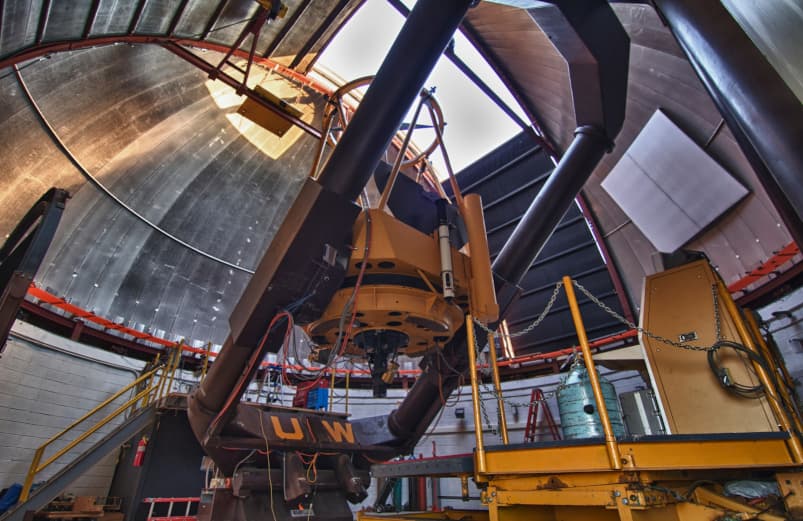
University of Wyoming Study Maps Rare Earth Element Deposits in Powder River Basin Coals
A UW study mapped rare earth element deposits in Powder River Basin coals, findings that could reshape Wyoming's energy future.
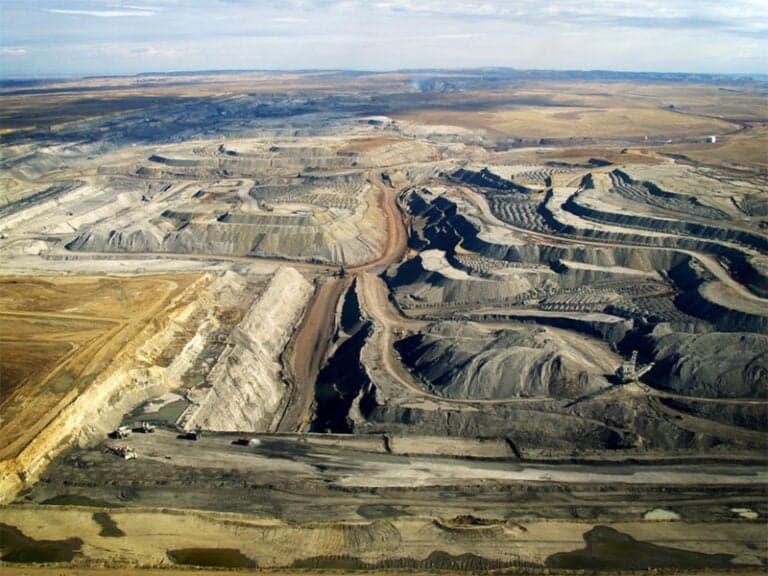
A peer-reviewed study from the University of Wyoming's School of Energy Resources has mapped how rare earth elements and yttrium are distributed and concentrated within the Powder River Basin coals spanning Wyoming and Montana, findings published March 12 that could carry significant economic implications for the region.
Rare earth elements, a group of 17 metallic elements critical to manufacturing everything from electric vehicle motors to military guidance systems, have become a strategic priority for the United States as it works to reduce dependence on Chinese supply chains that currently dominate global production. Wyoming's Powder River Basin, long known as one of the nation's most productive coal-producing regions, may hold an underappreciated secondary resource embedded within those same coal seams.
The UW School of Energy Resources study focused specifically on understanding the geologic processes that govern where REEs and yttrium accumulate within Powder River Basin coal deposits. That kind of distribution mapping is a foundational step before any extraction or processing effort can be seriously evaluated, as concentrations vary widely depending on the organic and inorganic chemistry of the original coal-forming environment.

For Albany County and the broader Wyoming economy, the research reflects a growing effort at UW to position the state's fossil fuel legacy as a potential gateway to critical mineral development. The School of Energy Resources has increasingly oriented its research agenda toward questions that bridge traditional energy extraction with emerging clean energy supply chains, recognizing that Wyoming's geological wealth may extend well beyond oil, gas, and coal themselves.
Whether the concentrations identified in the Powder River Basin prove commercially viable will depend on follow-on research, but establishing a detailed scientific map of where those elements sit is the necessary prerequisite to answering that question.
This article was produced by Prism’s automated news system from verified source data, official records, and press releases, then run through automated quality and moderation checks before publishing. The system is built and supervised by the people who set the standards it runs under. Read our full AI policy.
Did this article answer your question?