UW Extension report finds Upper Wind River ranchers facing multiple crises
UW Extension found Upper Wind River ranchers facing economic, ecological, and regulatory pressures that threaten operations and local livelihoods.
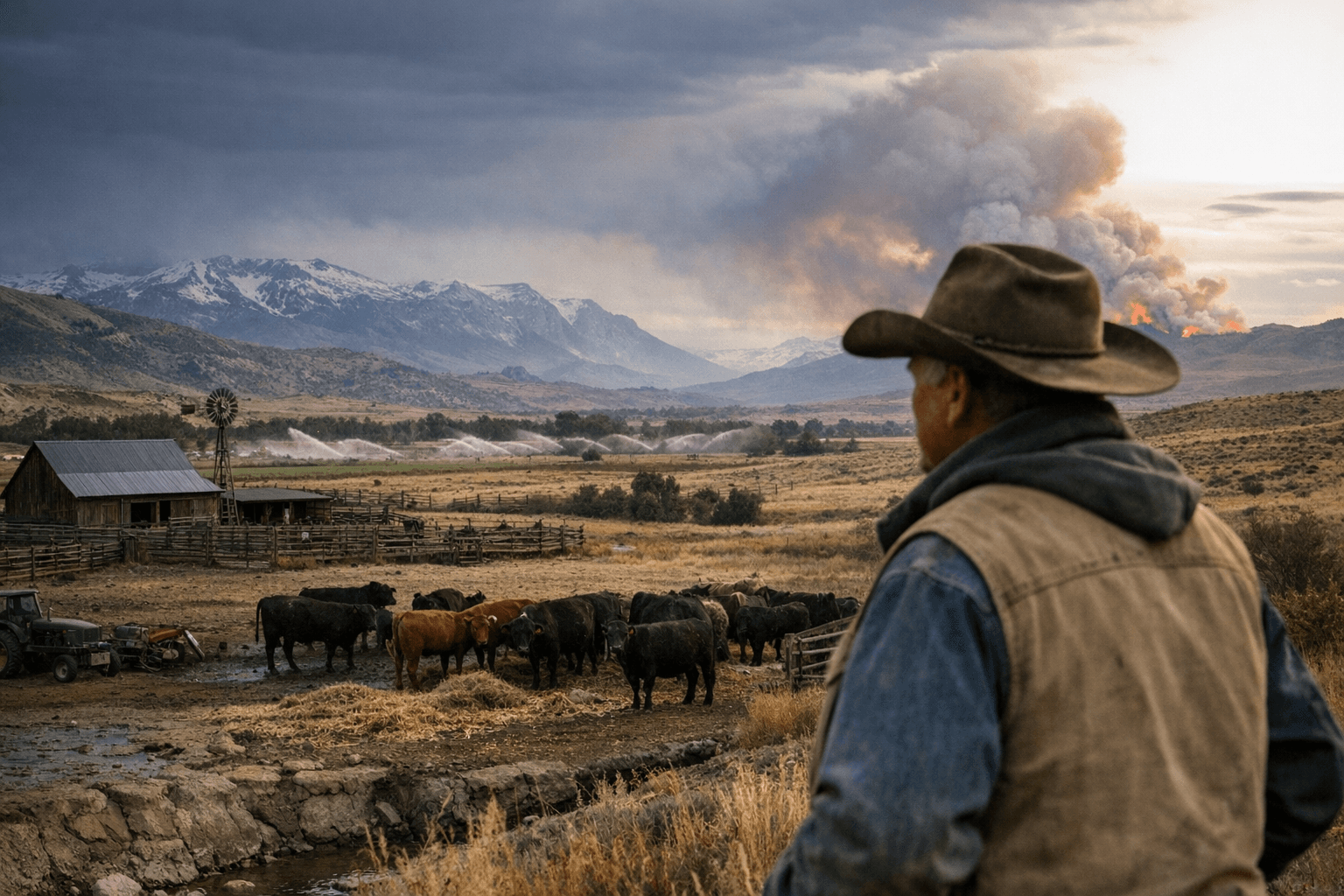
A University of Wyoming Extension report released Jan. 24 laid out a suite of overlapping crises facing ranchers in the Upper Wind River Basin, with direct implications for Albany County's grazing economy and rural services. The interview-based study drew on 38 one-on-one interviews conducted in summer 2024 and paints a picture of producers squeezed by rising costs, shrinking water availability, invasive weeds, predator depredation, and delayed approvals for essential on-the-ground work.
Economic viability emerged as a core concern. Ranchers cited inflation and market volatility as drivers that erode margins and limit investment in infrastructure such as fencing and solar-powered wells. Those investments are further constrained by land fragmentation and absentee ownership, which reduce coordinated herd management and complicate grazing planning across adjacent parcels. The report highlights that slow regulatory and agency approval timelines for changes like fencing, grazing timing adjustments, and installation of solar wells create both operational uncertainty and opportunity costs for producers trying to adapt.
Climate and ecological pressures were prominent in the interviews. Respondents reported drought and reduced water availability that stress forage production and herd health. Invasive cheatgrass has increased as a worry on multiple properties, while interviewees also raised predator depredation, notably wolf-related losses, as a recurring economic drain. These ecological issues interact: poorer forage and fragmented landscapes make individual ranches more vulnerable to predators and weeds, while limited staffing at land management agencies reduces capacity for coordinated mitigation.
The report’s authors recommend strengthening rangeland management capacity, improving staff retention within land management agencies, and fostering greater collaboration between land managers and ranchers. They argue that administrative capacity and timely approvals are as critical as on-the-ground investments for maintaining working ranch landscapes. The authors also note the findings have broader applicability across Wyoming and provide a link to the full report on the UW Extension site.
For Albany County, the combination of market stress, ecological risk, and administrative friction could mean fewer active grazing operations, reduced local demand for feed and services, and longer-term shifts in land use if ranching becomes less viable. County road maintenance, equipment suppliers, and seasonal labor pools all depend on a stable ranching sector; declines in that sector would ripple through the rural economy.
Policymakers and county officials face a choice between reactive measures and targeted investments that lower barriers to adaptive management. Priorities implied by the report include streamlining approval processes for routine infrastructure, investing in agency staffing to speed technical assistance, and supporting collaborative grazing arrangements across parcel boundaries. For ranchers and residents, the report signals urgent work ahead to protect the economic and ecological foundations of the Upper Wind River grazing landscape.
This article was produced by Prism’s automated news system from verified source data, official records, and press releases, then run through automated quality and moderation checks before publishing. The system is built and supervised by the people who set the standards it runs under. Read our full AI policy.
Did this article answer your question?