Vee Bar Guest Ranch preserves Albany County's ranching history
West of Laramie, Vee Bar Guest Ranch still works as a family business while carrying Albany County’s ranching story into the visitor economy. Its preserved buildings and stock chute show why.

The Vee Bar Guest Ranch sits about 21 miles west of Laramie on Wyoming Highway 130, where the Little Laramie River threads through a place that has been working, welcoming and adapting for more than a century. What began as a cattle-and-horse operation now survives as a guest ranch, but it has kept the structures, the brand and the sense of place that make it one of Albany County’s clearest links between ranching and tourism.
A ranch built into Albany County’s transportation history
The Vee Bar story starts with land and movement. Lionel C. G. Sartoris bought the property in 1886 and built the original lodge as a home in 1891, establishing a headquarters that the Wyoming State Historic Preservation Office describes as tied not only to ranching, but also to rail, freight and tourism. Sartoris was an English cattle baron, and the Douglas William Sartoris Cattle Company was valued at an estimated $2 million in 1885, a reminder of the scale of cattle capital in Wyoming’s early stock era.
That business footprint widened over time. The property passed through the Fillmore, Wright, Hein and Crouse families before becoming the Vee Bar in the modern sense, and the ranch headquarters served as a stagecoach stop, post office and freight line for mines and timber camps. The freight business faded after the railroad reached Centennial in 1907, but the ranch did not disappear from the county’s economic map. Instead, it evolved with the region around it.
What is left on the ground matters
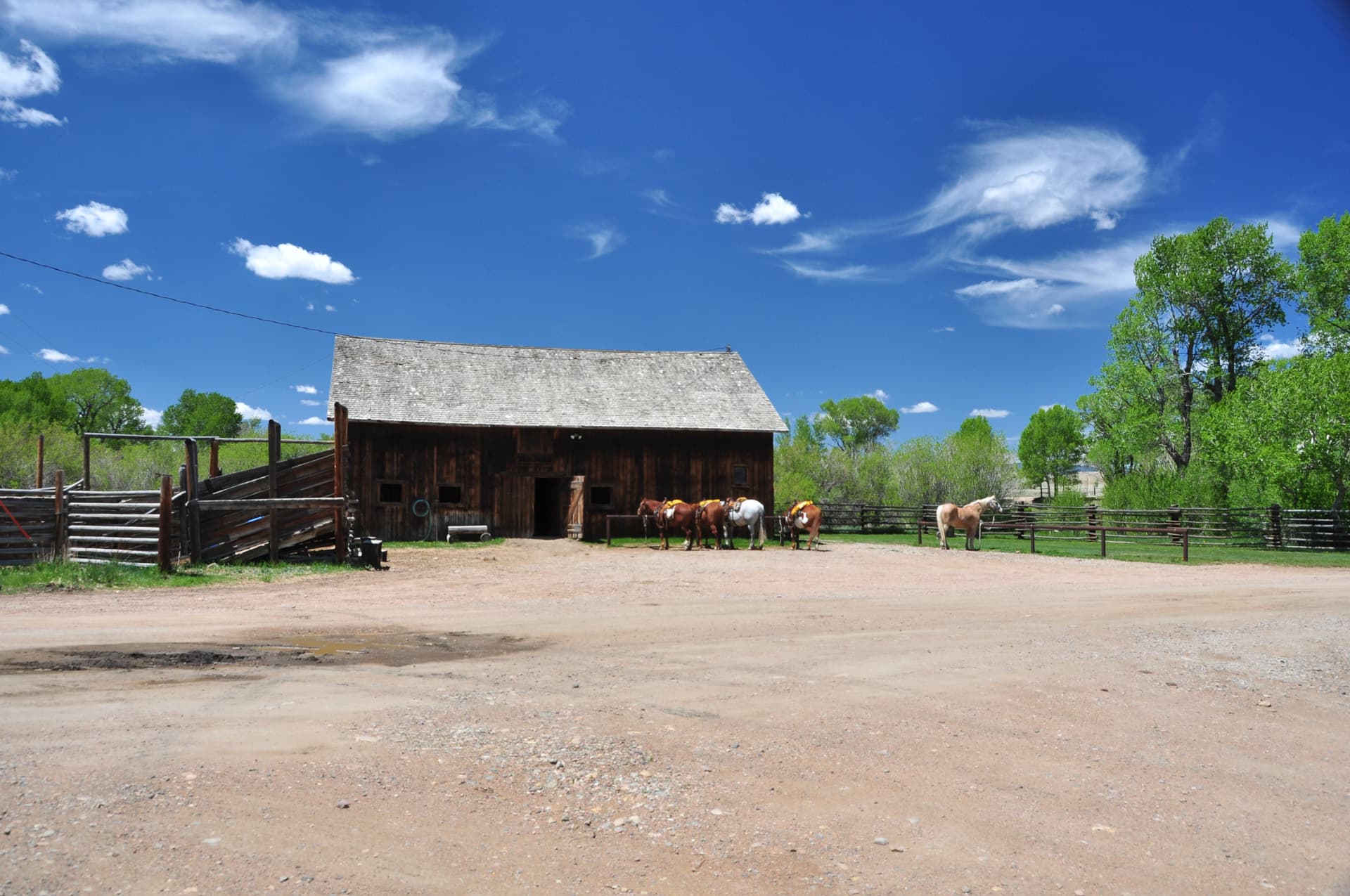
The Vee Bar Ranch district was added to the National Register of Historic Places on June 30, 1986, and the designation reflects more than an old lodge sitting on scenic land. The historic district includes five contributing buildings, the original corral system and a stock chute, a compact but unusually intact ranch complex that still shows how a frontier-era headquarters functioned.
That preservation gives the ranch more than decorative value. The buildings and livestock-handling features are part of the business’s identity and its appeal to guests who want an authentic Western setting rather than a staged imitation. In Albany County, where ranch country remains part of daily life, that kind of continuity is a commercial asset as well as a cultural one.
From livestock operation to guest economy
Wyoming’s dude ranching economy expanded after 1900, when working ranches increasingly added guest stays, horseback riding, fishing, hunting and hospitality to their livestock operations. The Vee Bar fits squarely inside that statewide shift, but it stands out because it never fully lost its ranching backbone.
The ranch still presents itself as a working family operation. The Cole family says three generations have worked at the Vee Bar, and the ranch describes itself as fully family owned and operated. That matters in a market where heritage tourism can quickly flatten into theme-park branding. Here, the business survives by keeping the ranch part of the operation visible instead of burying it under the guest experience.
What guests come for now
The modern Vee Bar package is broad but still rooted in ranch life. The ranch offers horseback riding, hiking, fishing, river tubing, trap shooting, camping, herding cattle, hayrides, wagon rides and live music. Guests stay in cabins, and some packages include meals and guided activities, keeping the operation closer to an immersive Western stay than a conventional lodge.
One of the clearest signs of the ranch’s scale is how intentionally it limits the experience. The summer guest-ranch operation can host up to 30 people, with a 2:1 guest-to-staff ratio. That small footprint helps explain why the Vee Bar can preserve a more personal atmosphere while still operating as a hospitality business. For Albany County, that is a useful model: small enough to feel local, structured enough to function as a destination.
Dining and lodging keep the place active, not frozen
The ranch’s weekend buffet-style dinners in the historic main lodge add another layer to that business model. By using the lodge for meals by reservation, the Vee Bar keeps a historic building in daily use instead of treating it as a display piece. That is part of what makes the property economically relevant, not just historically interesting.
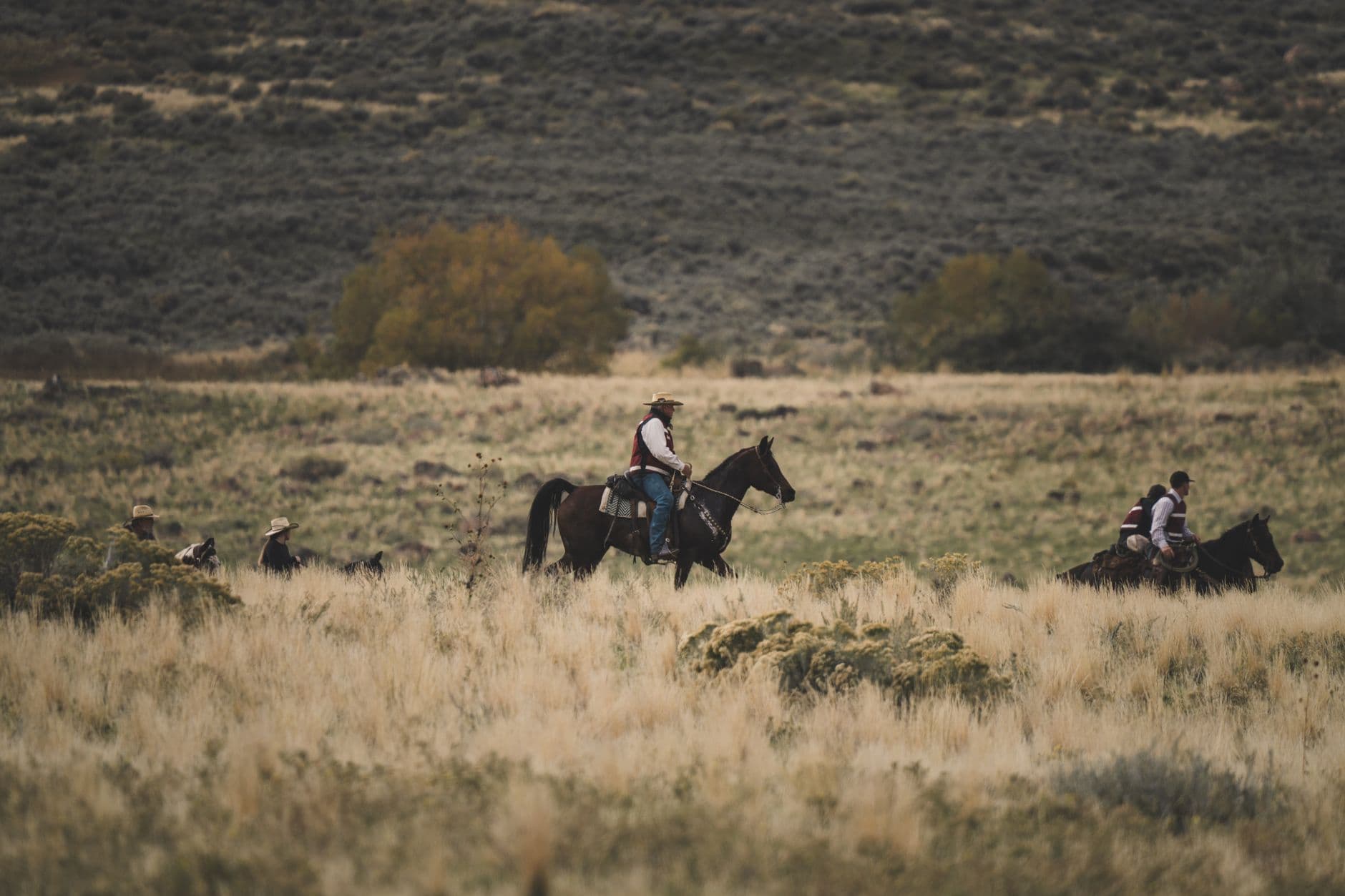
The same is true of the cabins and activity packages. They turn the ranch into a functioning visitor economy asset that still depends on the rhythms of the land, the buildings and the livestock work around it. In a county where rural businesses need to pull double duty as both employers and cultural anchors, that combination is what makes the Vee Bar durable.
Why the Vee Bar still matters to Albany County
The ranch’s value today is not only that it survived, but that it adapted without shedding its identity. The lodge, the corral system, the stock chute and the old freight history give the place historical weight, while the guest-ranch operation keeps it economically alive. That balance is rare.
For Albany County, the Vee Bar shows how a historic destination can remain viable when it keeps serving a real market. Guests still come for horseback rides, river time, ranch meals and the feeling of staying on an actual working property. The county keeps a landmark that still earns its keep, and the ranch keeps the story of Wyoming ranching visible in a form that remains commercially and culturally useful.
This article was produced by Prism’s automated news system from verified source data, official records, and press releases, then run through automated quality and moderation checks before publishing. The system is built and supervised by the people who set the standards it runs under. Read our full AI policy.
Did this article answer your question?