Verizon Cancels Wyoming Data Center, Albany County Loses Expected Investment
Verizon announced on December 19, 2025 that it has shelved plans to build a large data center in Wyoming following a corporate acquisition, leaving Albany County without the near term development activity officials had anticipated. The cancellation matters locally because the county had approved rezoning and state lawmakers had enacted tax incentives to attract the project, changes that now will not deliver the economic boost residents and businesses were preparing for.

Verizon moved to cancel plans for a proposed data center near Laramie after corporate changes tied to a recent acquisition, an industry report said on December 19, 2025. A Verizon spokeswoman summed up the decision, saying, “As a result of the acquisition, we do not have plans at this time to build a data center in Wyoming.” The announcement ends a recruitment effort that had drawn sustained attention from Albany County officials and state lawmakers.
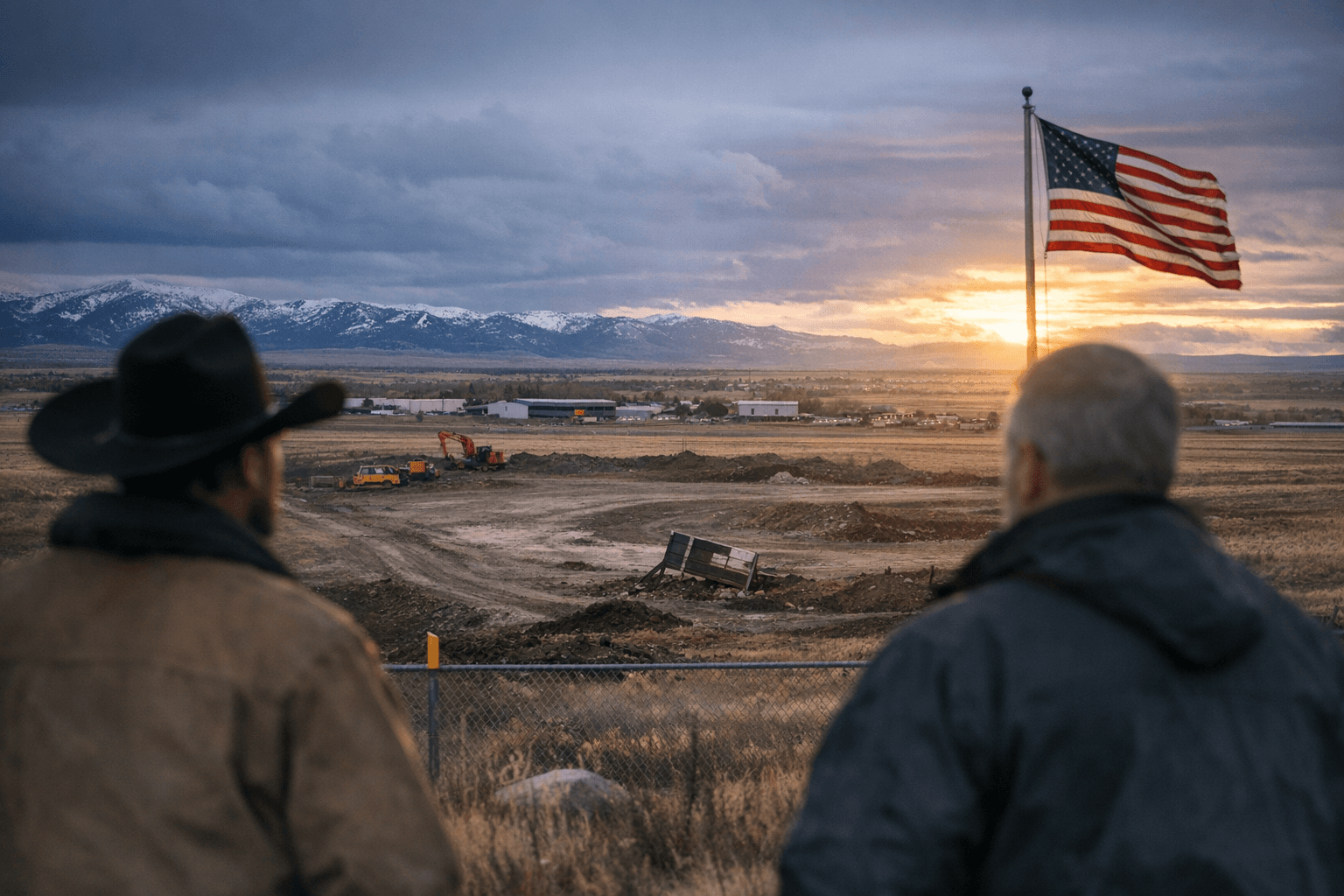
The site had already cleared a key local hurdle when Albany County approved rezoning to accommodate the project. State lawmakers also passed tax incentives designed to make Wyoming more competitive for data center investment. Local officials conducted outreach to court the project, and plans anticipated construction activity and related spending in the Laramie area. With Verizon’s decision, the county and state will not realize the near term economic activity tied to that development.
The immediate impact will be felt in construction and local services that would have supplied materials, lodging, and other support during a build out. Data center projects typically generate substantial upfront capital expenditures and temporary construction employment, while long term operations generally require a smaller permanent workforce. That profile means communities often count on short term boosts to sales tax receipts and local business revenues even as ongoing property tax and payroll gains remain modest.
Beyond lost short term activity, the cancellation raises policy questions about the return on incentives and the durability of recruitment strategies that hinge on single large projects. Lawmakers and county leaders now face a choice between maintaining the rezoned status and incentives in hopes of attracting another developer, or exploring alternative uses for the site that might generate more predictable local employment.
For Albany County residents and businesses the practical consequence is a delay in any expected investment and the need for local leaders to pivot quickly. Officials who invested time and political capital into courting the project now must reassess outreach plans, economic development priorities, and how to optimize the rezoned land for other forms of commercial or industrial growth.
This article was produced by Prism’s automated news system from verified source data, official records, and press releases, then run through automated quality and moderation checks before publishing. The system is built and supervised by the people who set the standards it runs under. Read our full AI policy.
Did this article answer your question?