Wyoming Football Ends Season With Four Wins, Coach Returns
The University of Wyoming football team finished the 2025 season with four wins and six losses under second year head coach Jay Sawvel, a modest improvement over his first year when the Cowboys won three games. Athletic Director Tom Burman urged patience and the program signaled continuity, a decision that will shape recruiting, game day revenues, and community expectations in Laramie.
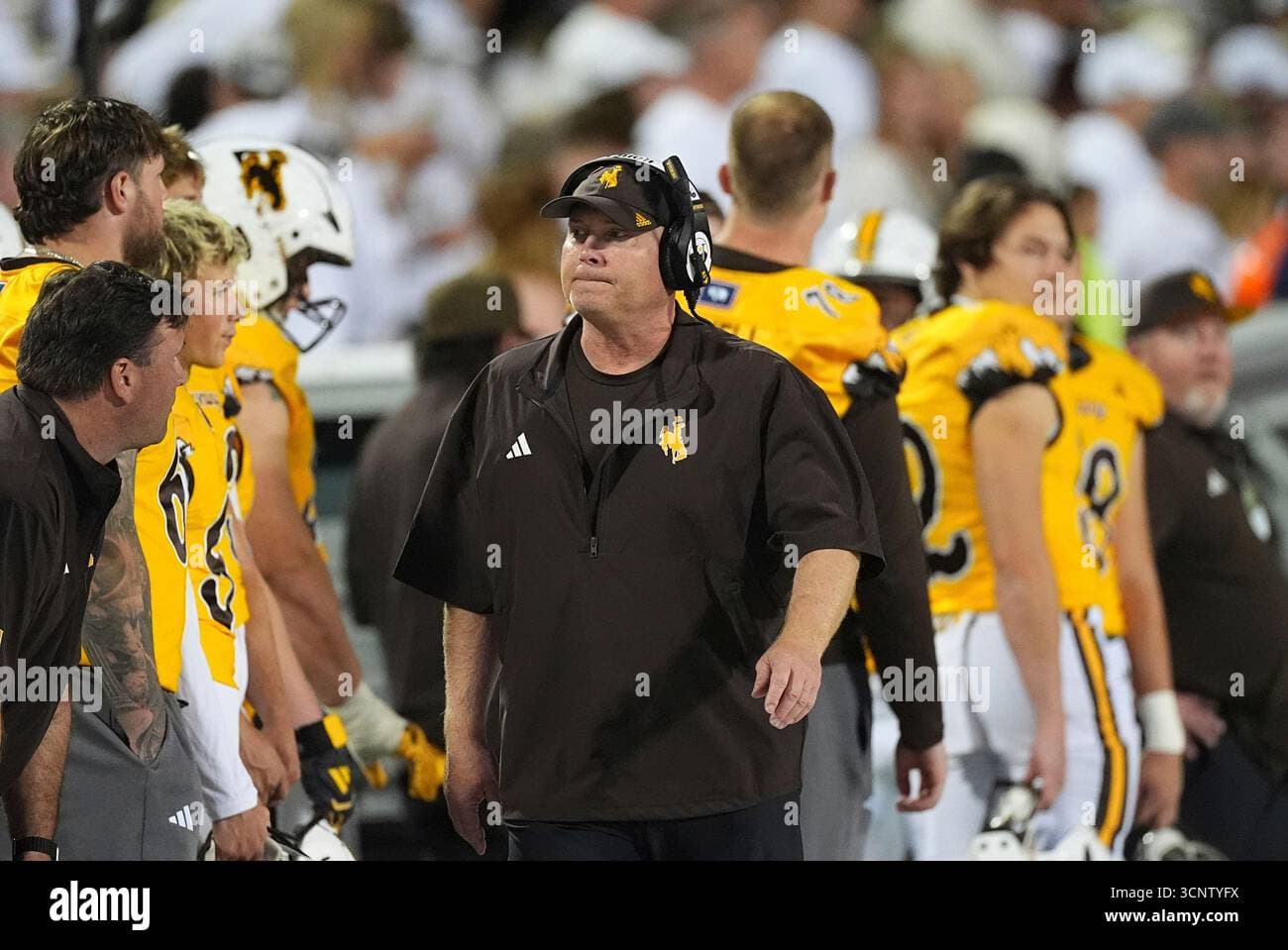
Jay Sawvel’s second season as head coach at the University of Wyoming closed with four wins and six losses, leaving the Cowboys in ninth place for the 2025 campaign. The result represented a one win improvement over Sawvel’s inaugural season, when the team finished with three victories, bringing his two year total to seven wins. That figure compares with Craig Bohl’s early tenure, when Bohl recorded six wins across his first two seasons in Laramie.
Sawvel, the 33rd head coach in program history, took over after Bohl retired following a ten year run that concluded with a 9 to 4 record and a one point bowl victory over Toledo in the Arizona Bowl. Athletic Director Tom Burman publicly addressed the season’s outcomes and emphasized the particular challenges faced by a first time head coach, arguing the program should allow Sawvel more time to implement his approach and recruit the roster he envisions.
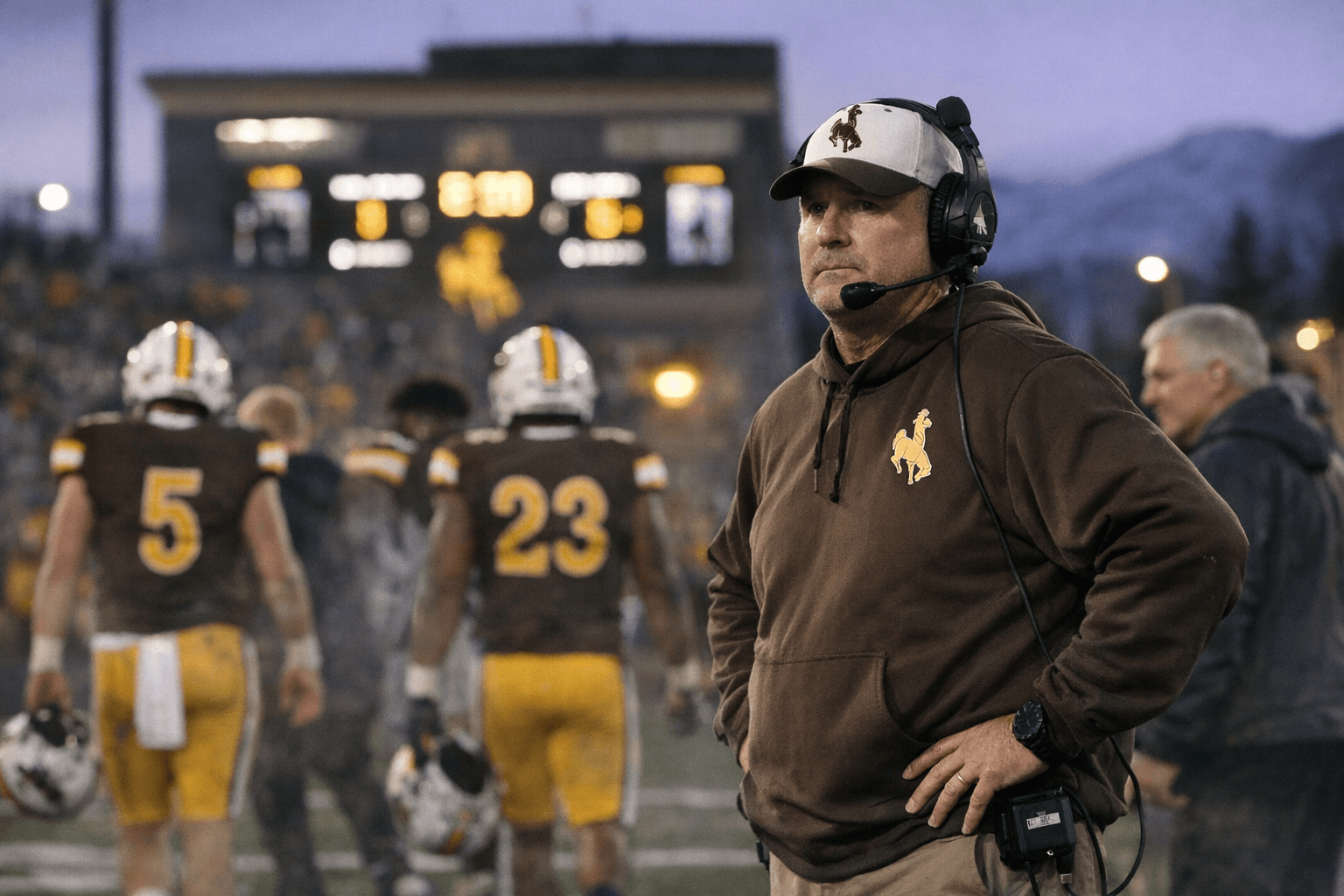
The decision to maintain continuity matters for Albany County beyond the scoreboard. College football drives seasonal economic activity in Laramie through ticket sales, local hospitality spending, and university engagement. A coaching change can create both short term costs and uncertainty for season ticket holders and local businesses that rely on stable game day attendance. Conversely, keeping Sawvel in place reduces transition costs and preserves recruiting relationships that have already been established this cycle.
Statistically the program shows modest early movement. Sawvel’s seven wins over two seasons edge Bohl’s initial two year mark by one victory, suggesting incremental progress rather than a rapid turnaround. For local fans and stakeholders the key indicators to watch in the coming months will be recruiting results, offseason transfers, and any changes to staff or scheme that might accelerate improvement on the field.
Looking ahead, the athletic department’s choice to stick with Sawvel frames expectations for 2026. If on field performance improves, the decision will be credited with patience and strategic continuity. If the team stalls, pressure will mount from alumni and the local economy, which benefits from a competitive program. For now Laramie faces a familiar tradeoff between short term pressure for wins and longer term program building.
This article was produced by Prism’s automated news system from verified source data, official records, and press releases, then run through automated quality and moderation checks before publishing. The system is built and supervised by the people who set the standards it runs under. Read our full AI policy.
Did this article answer your question?