Wyoming Gas Prices Fall to $2.71, Relief for Local Drivers
A statewide survey found average gasoline prices in Wyoming fell 4.7 cents over the week ending December 1, 2025, to $2.71 per gallon, with prices 18.1 cents lower than a month ago and 24.2 cents lower than a year ago. The decline reduces fuel costs for Albany County commuters and freight operators, while wide price variation across the state highlights opportunities and limits for local savings.
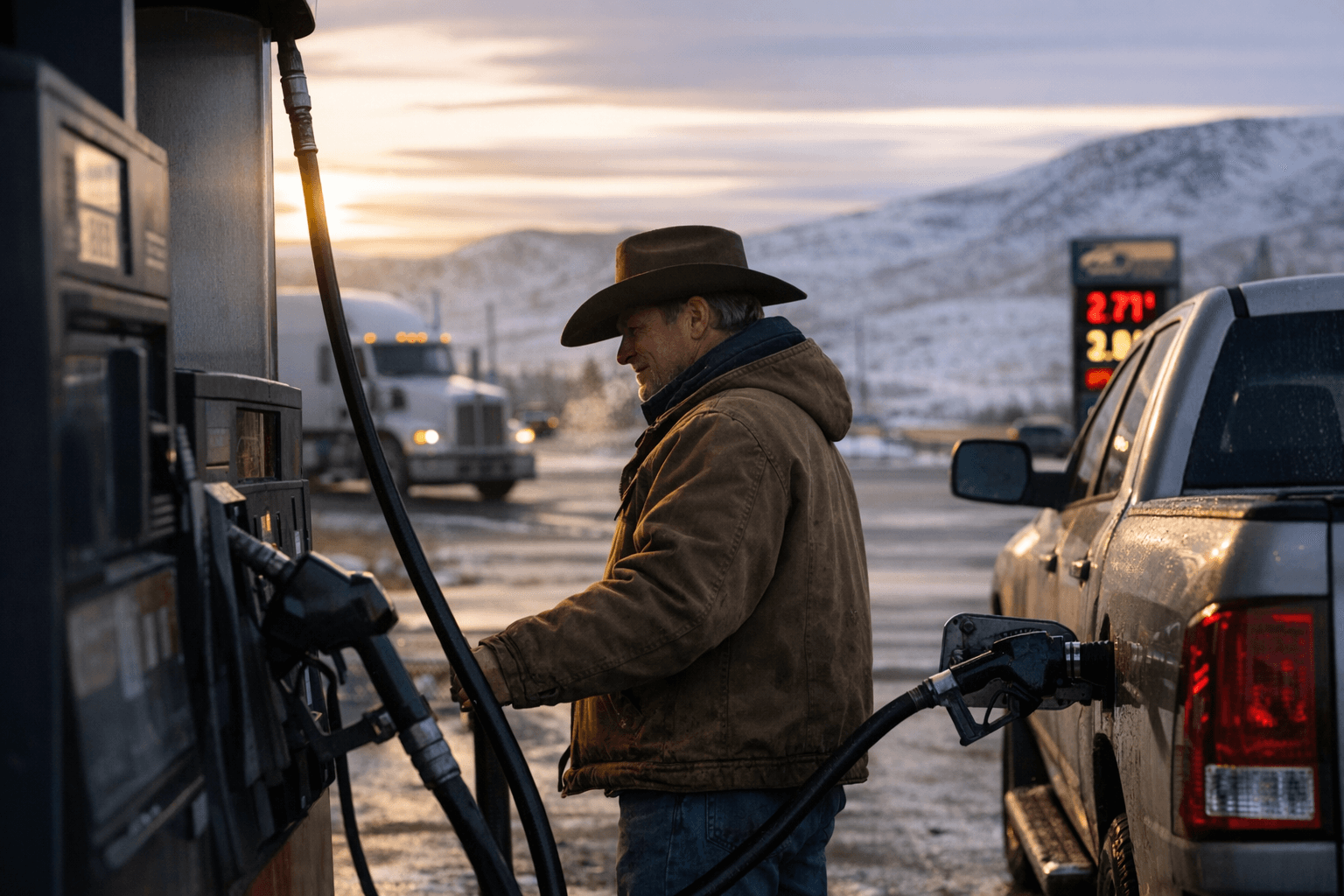
A survey of 494 Wyoming stations found that average regular gasoline prices dropped 4.7 cents over the week ending December 1, 2025, bringing the statewide average to $2.71 per gallon. The pullback continued a recent downtrend, with prices 18.1 cents lower than one month earlier and 24.2 cents lower than one year earlier, representing declines of roughly 6.3 percent and 8.2 percent respectively.
Price variation across the state remained pronounced. The cheapest station surveyed was at $2.16 per gallon while the most expensive topped out at $3.35 per gallon, a spread of $1.19 across Wyoming. National diesel prices also eased over the same period, with the national average diesel price down 5.5 cents, a development that matters for commercial haulers and local businesses that rely on truck deliveries.
For Albany County residents the changes translate into modest but tangible savings at the pump. For a 15 gallon tank the weekly decline yields about 71 cents in savings, the month over month drop amounts to roughly $2.72 saved per fill up, and the year over year difference equals about $3.63 per tank. Those savings can add up for daily commuters, University of Wyoming students who travel regularly, and households balancing winter energy bills.
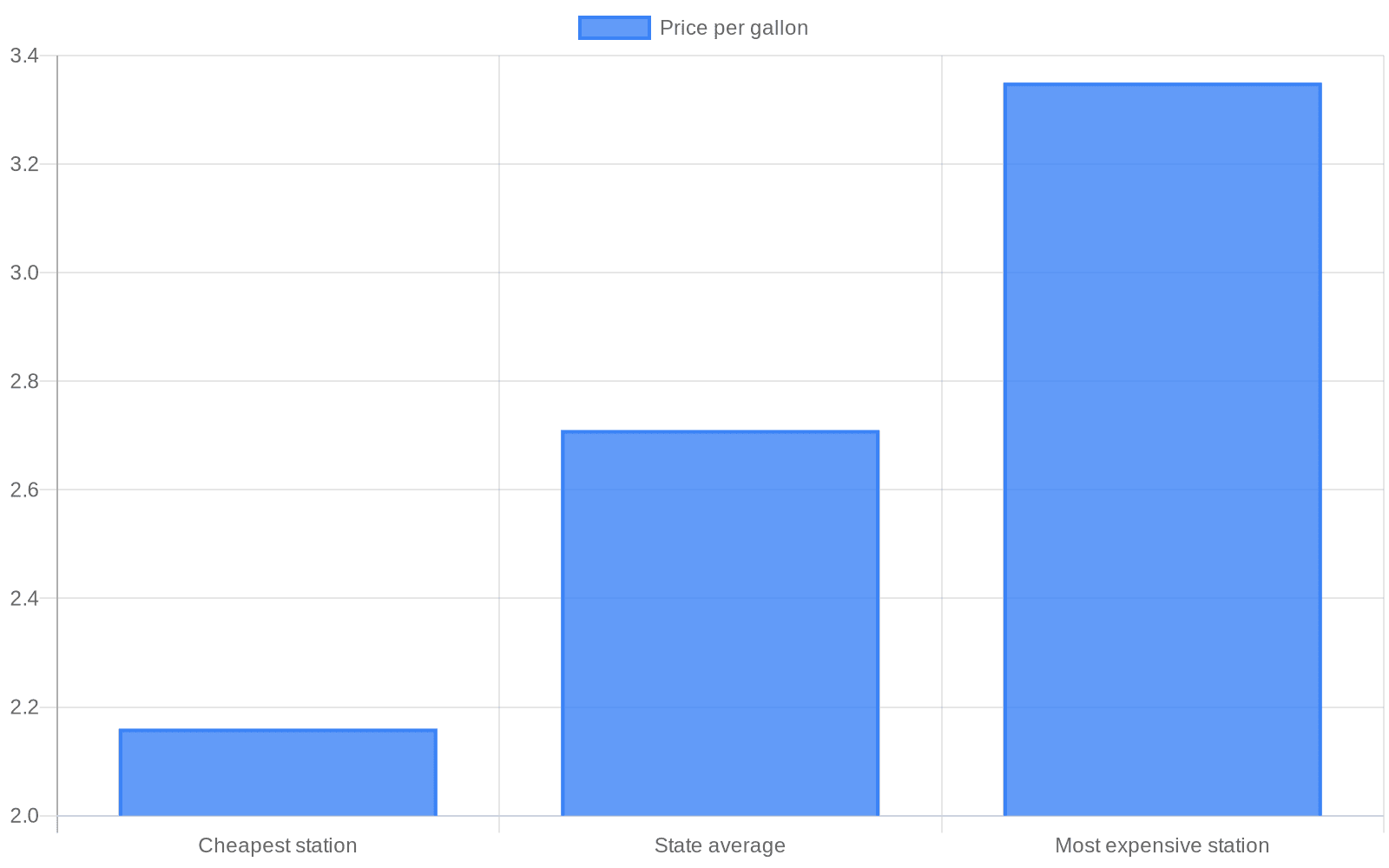
The wide price spread underscores a common reality for rural drivers. Residents who live near higher priced outlets may not be able to capture the lowest state prices without additional driving, while local merchants face competitive pressure to adjust pricing. Lower fuel costs can ease household budgets and reduce operating expenses for service providers and public fleets, but they also mean somewhat lower fuel tax receipts that fund road maintenance and county transportation projects.
Looking ahead, gasoline prices remain subject to global crude markets, seasonal demand shifts and refinery activity. The recent declines give Albany County drivers a short term reprieve as winter travel ramps up, but volatility in energy markets means consumers and policymakers should expect prices to move in either direction.
This article was produced by Prism’s automated news system from verified source data, official records, and press releases, then run through automated quality and moderation checks before publishing. The system is built and supervised by the people who set the standards it runs under. Read our full AI policy.
Did this article answer your question?