Allendale County Historic Places Connect Community, Guide Visitors and Researchers
A compact inventory of Allendale County historic and outdoor sites highlights locations from the Topper archaeological site to riverside landings, and underscores their importance for local heritage, recreation, and research. The information matters to residents because these places support community identity, genealogy, outdoor health benefits, and tourism opportunities, while raising questions about access, stewardship, and equitable funding.

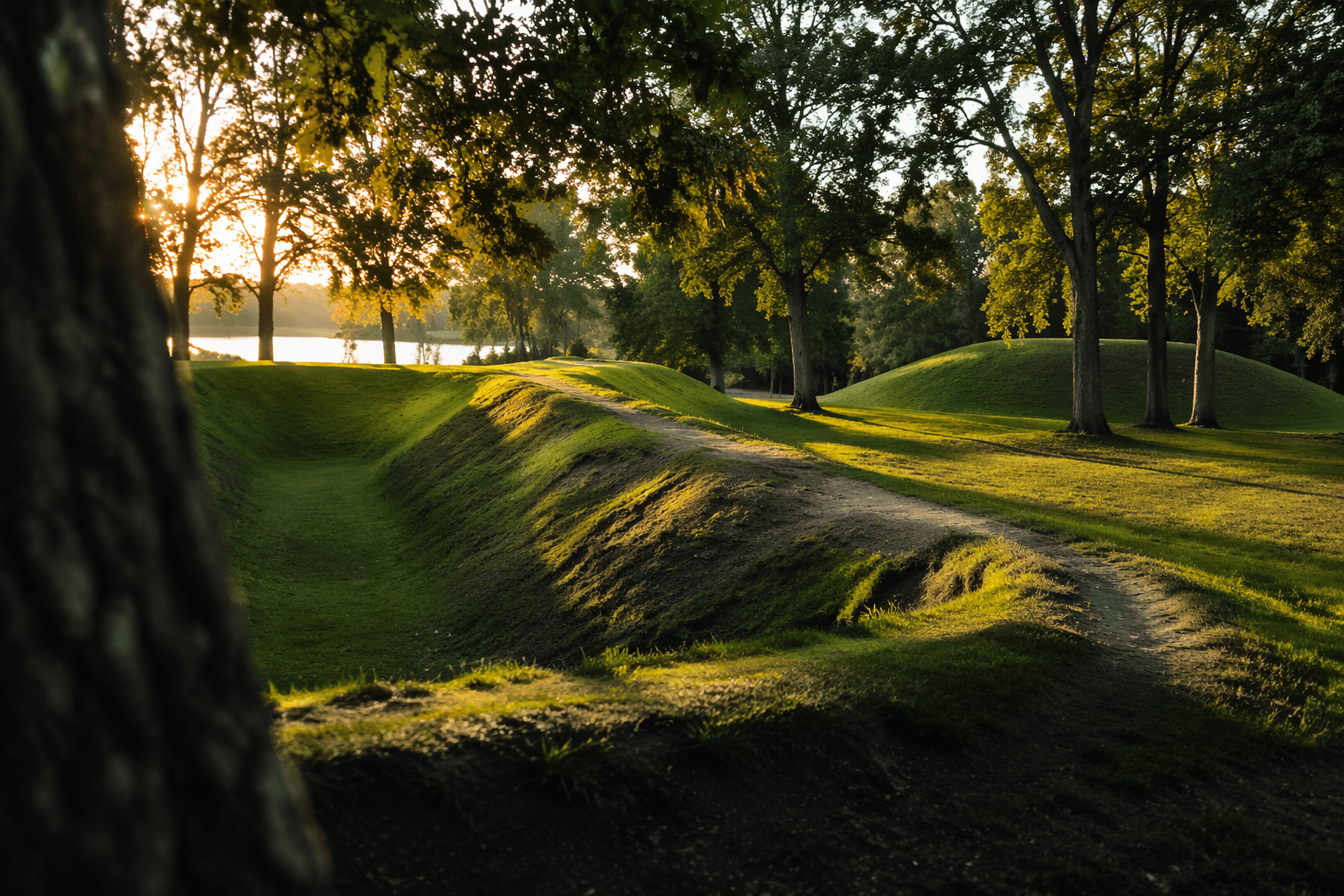
Allendale County’s historic and natural places form a network of civic, cultural, and recreational resources that matter to residents and visitors alike. Key locations include the Topper Site and the Topper Exhibit at USC Salkehatchie, which anchor the county’s prehistoric record and public archaeology programming. Plantation era properties such as Butterfield Plantation document agricultural history, while the Allendale County Courthouse and War Memorial Building stand as civic landmarks. Smaller municipal structures such as the Allendale Standpipe and the Fairfax Train Depot recall infrastructure and transportation roles that shaped local life.
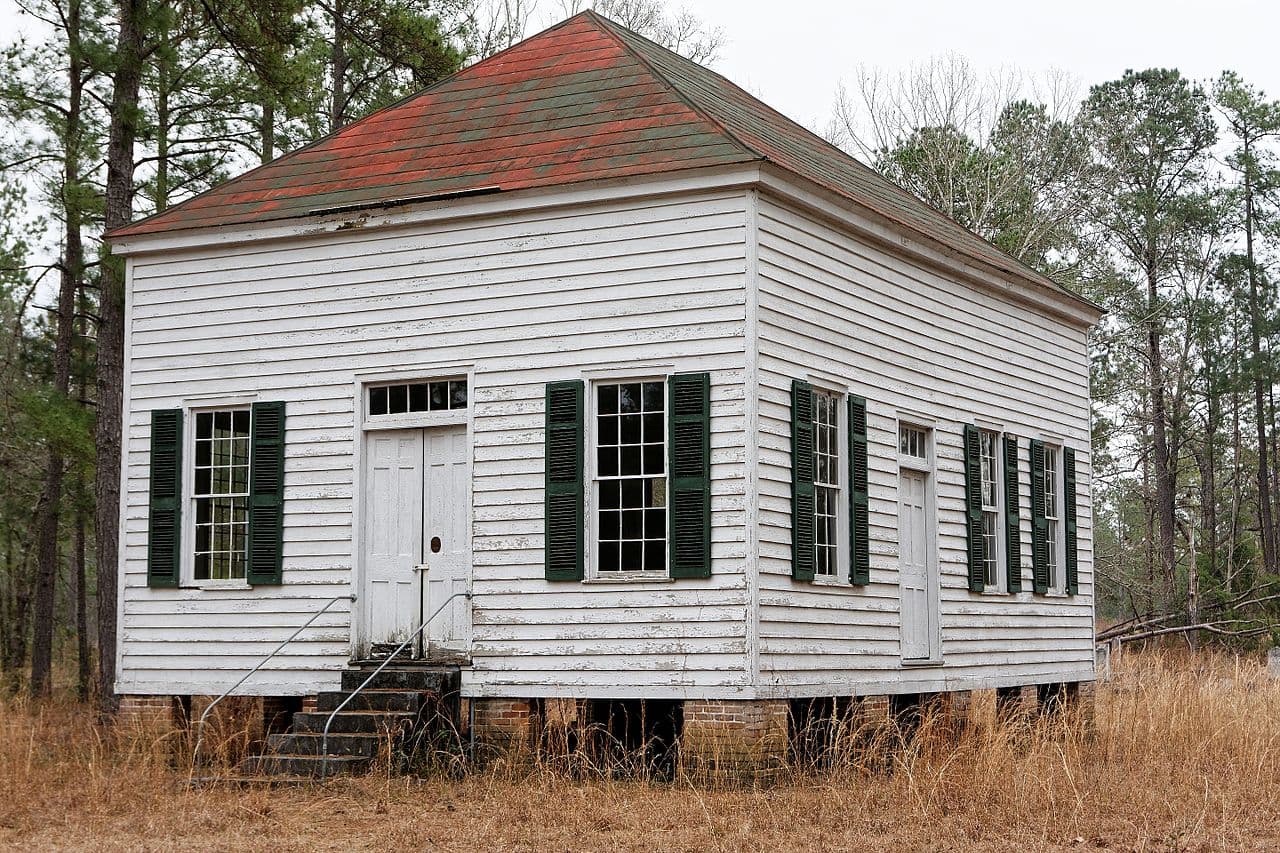
Religious congregations and burial grounds are central to community memory. Small churches including Gailee Baptist and Concord Baptist and their cemeteries offer crucial resources for genealogy and oral history. Allendale’s waterways and landing sites, including Little Hell Boat Landing and Mathews Bluff and Cohens Bluff, provide outdoor recreation and natural history context for fishing, walking and environmental education.
These places also carry immediate public health and equity implications. Access to parks, river landings and museum programming supports physical activity and mental wellbeing in a rural county with limited recreational infrastructure. At the same time many of these sites are on private land or depend on volunteer stewardship, creating barriers for residents who lack transportation or cannot afford guided tours. Preservation and interpretation depend on small institutional budgets and community led efforts, highlighting disparities in funding that affect rural counties more than urban centers.
Practical information for planning visits begins with checking event schedules and exhibit dates through USC Salkehatchie event listings and the county web presence at AllendaleCounty.com. Local libraries and county tourism offices can provide current schedules, and visitors should respect private property by contacting property stewards before attempting to enter plantation sites or privately held land. Educational partners and community organizations often host rotating exhibits and public programs that make archeology and local history more accessible.
Strengthening partnerships between colleges, county government and local organizations would expand programming, improve equitable access and support the long term preservation of these places. For many residents these sites are not only points of interest, they are living elements of community identity that support health, learning and intergenerational memory.
This article was produced by Prism’s automated news system from verified source data, official records, and press releases, then run through automated quality and moderation checks before publishing. The system is built and supervised by the people who set the standards it runs under. Read our full AI policy.
Did this article answer your question?
%2Ffit-in%2F200x300%2Ffilters%3Afill(white)%2Fprod%2F550%2F508436%2FrI5B6acwe7Flxndz1000029711.jpg&w=1920&q=75)