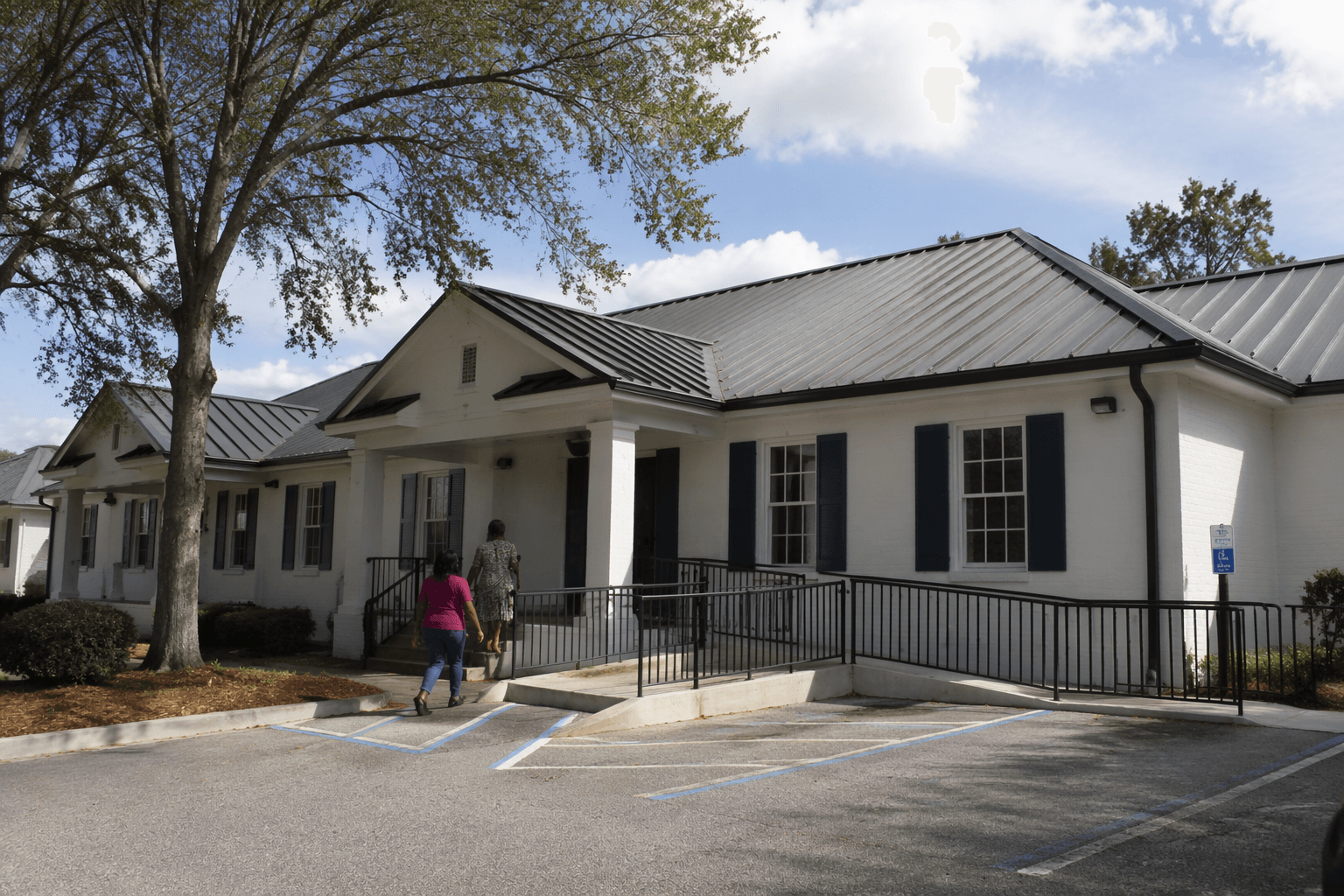
Allendale County Hospital Urges State to Create Rural Emergency Hospital Pathway
Allendale County Hospital CEO Lari Gooding urged state lawmakers to create a rural emergency hospital pathway, citing potential Medicaid cuts that could leave the county without emergency care.
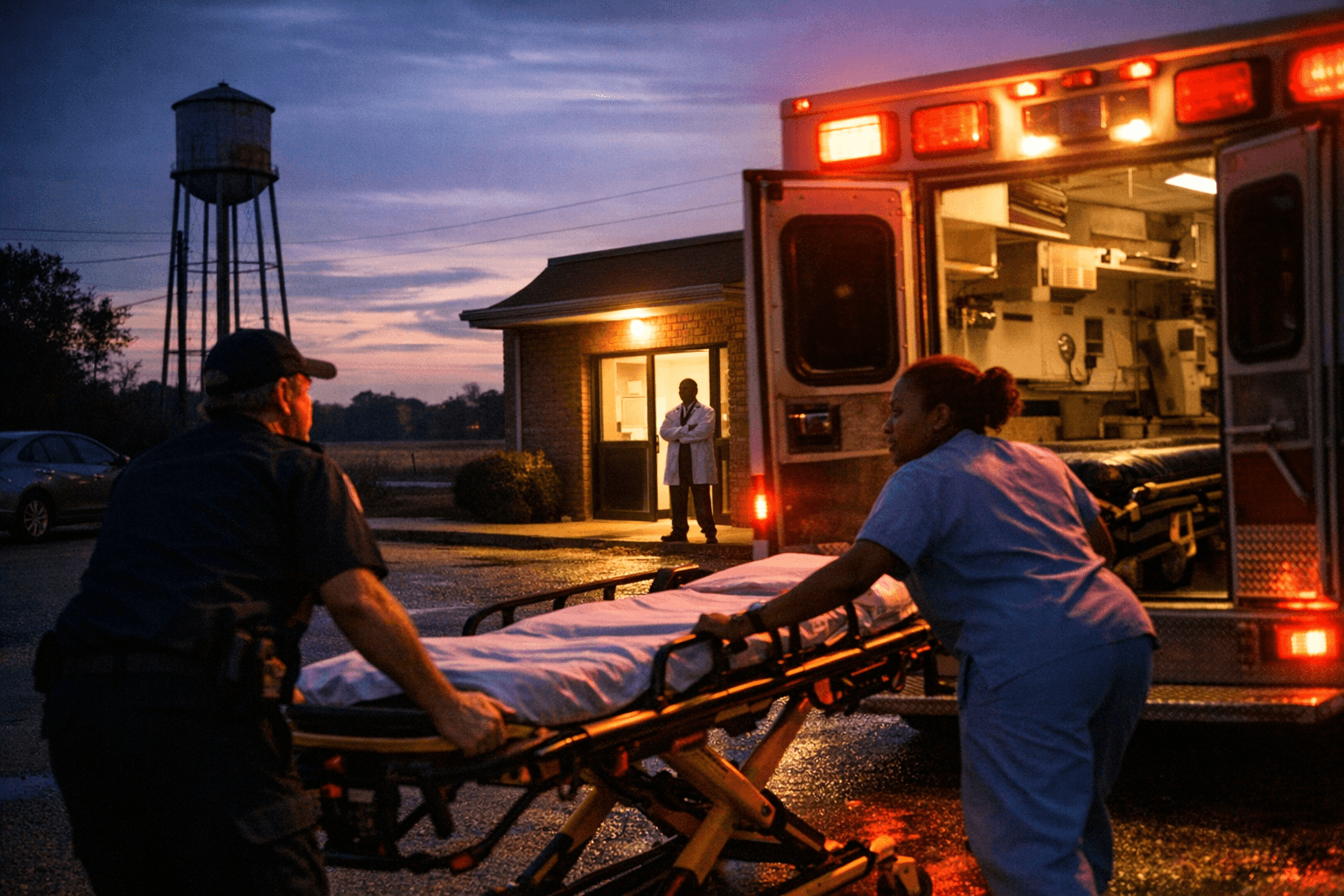
Lari Gooding, CEO of Allendale County Hospital, went before South Carolina legislators last week with a precise request: change state statute to recognize the federal "rural emergency hospital" designation, giving the county's only hospital a legal fallback if federal reimbursements collapse.
The hospital is financially stable now, Gooding told reporters, but the governing board began stress-testing future scenarios after watching rural hospitals across the country close or convert at an accelerating pace. Since 2010, more than 150 hospitals nationwide have shut down or changed their care model; about 44 have converted specifically to the rural emergency hospital designation. South Carolina has not been spared, with a legislative study covering 2010 to 2023 documenting closures and conversions in the state.
The obstacle Gooding identified is both financial and legal. South Carolina statute currently contains no definition for the federal rural emergency hospital model, meaning no hospital in the state can pursue that conversion regardless of need. A state Senate panel unanimously advanced a bill to add that definition to statute, the first legislative step before regulators could develop licensing and operational rules aligned with federal requirements.
The financial stakes are substantial. Allendale County Hospital already holds critical access hospital status, one of only three such facilities in South Carolina, a classification that yields roughly a 1% Medicare reimbursement enhancement. The rural emergency hospital designation would go considerably further: hospitals operating under it receive approximately 5% higher Medicare reimbursement and a recurring annual federal stipend. The tradeoff is real. Hospitals that convert must limit inpatient stays to fewer than 24 hours and restrict services to emergency care and certain outpatient procedures.
"We're not there yet," Gooding said about any conversion, noting the board had begun assessing future options and found the statutory gap was the first obstacle. His argument to legislators amounted to a contingency case: enabling the designation in state law costs nothing now but preserves options if reimbursement conditions deteriorate sharply.
The concern is not abstract. Rural hospitals disproportionately serve Medicare and Medicaid patients and operate on narrow margins, making them acutely sensitive to federal payment shifts. A full closure of Allendale County Hospital would force residents to travel substantially farther for emergency care, precisely the outcome hospital leadership described as worth legislating against now.
If the bill clears the full legislature, state health regulators would gain authority to write licensing rules and define allowable services for the rural emergency hospital model in South Carolina. Allendale County Hospital leaders said they would likely pursue the designation if it becomes available under state law.
This article was produced by Prism’s automated news system from verified source data, official records, and press releases, then run through automated quality and moderation checks before publishing. The system is built and supervised by the people who set the standards it runs under. Read our full AI policy.
Did this article answer your question?