Allendale County moves ahead on museum, trail and airfield projects
Allendale County has three visible projects on the move, and each one points to a different local payoff: heritage, recreation and transportation.
Three county projects, three different kinds of value
Allendale County’s public document center is showing a county that is trying to move on more than one front at once. Museum renovation papers, a walking-trail solicitation and airfield rehabilitation material sit alongside energy, water and wastewater contracting documents, a sign that local leaders are not just chasing one headline project but building a broader capital agenda.
That matters in a county of 7,355 people, down from 8,039 in the 2020 Census and 10,419 in 2010. It also matters in a place where 23.5% of residents are 65 or older, making access, mobility, safety and usable public space more than abstract planning terms. Under interim administrator Chanel Lewis and county council members Charles R. Gooding, William E. Robinson, Theresa H. Talor, James J. All and H. Carl Gooding, the county is putting multiple projects into the public eye at the same time.
The museum work is the most visible preservation bet
The Allendale County Museum project is the clearest sign that the county wants to protect local history while improving a building that needs substantial attention. Procurement material shows the county sought an architectural and engineering assessment of the museum, including structural, mechanical, electrical and plumbing inspection under ICC Code 2021 as amended by South Carolina. The building is described as 3,200 square feet, a small footprint that makes every repair decision more consequential.
Phase 1 of the renovation is concrete and practical. The scope includes a new roof, chimney asbestos abatement, stairway ADA-rail installation, foundation pier repair, porch and ADA ramp replacement, and repair of doors and windows. A pre-bid conference was scheduled for May 4, 2026 at 2:00 PM at the museum, 939 Main Street North, Allendale, SC 29810, showing that the project had moved beyond general discussion into the contractor-facing stage.
For residents, the museum work carries more than symbolic weight. A safer roof, stronger foundation and accessible entrance can help keep a heritage building open to school groups, family visitors and local residents who want to see their own story preserved. That also gives the county historical community something tangible to work with, especially because the Allendale County Historical Society, founded in 2005, is already active through an eight-member volunteer board.
The leisure-center trail is framed as everyday access, not just a nice-to-have
The walking-trail project at the Allendale County Leisure Center points to a different kind of public value. The county is pursuing architectural and design services under a design-bid-build approach, with the scope laying out final design review, site preparation, grading, drainage, trail surfacing, signage and final inspection. In other words, this is a planned public amenity, not a casual add-on.
That matters in a county where recreation and health access can shape daily life as much as any larger development pitch. A trail at the leisure center can serve children, older adults and anyone looking for a low-cost place to walk, exercise or meet neighbors in a setting that feels safe and familiar. Because the county’s population is older than average, a well-designed trail can have real value for mobility, prevention and social connection, especially if drainage, surfacing and signage are handled well from the start.
The trail also has a quieter policy meaning. A public walking route near a county leisure center can serve as a visible sign that local government is investing in daily use, not just occasional events. If the museum project leans toward preservation and tourism, the trail leans toward recreation and community health, two needs that often matter most to households trying to stretch limited time and money.
The airfield project reaches beyond county lines
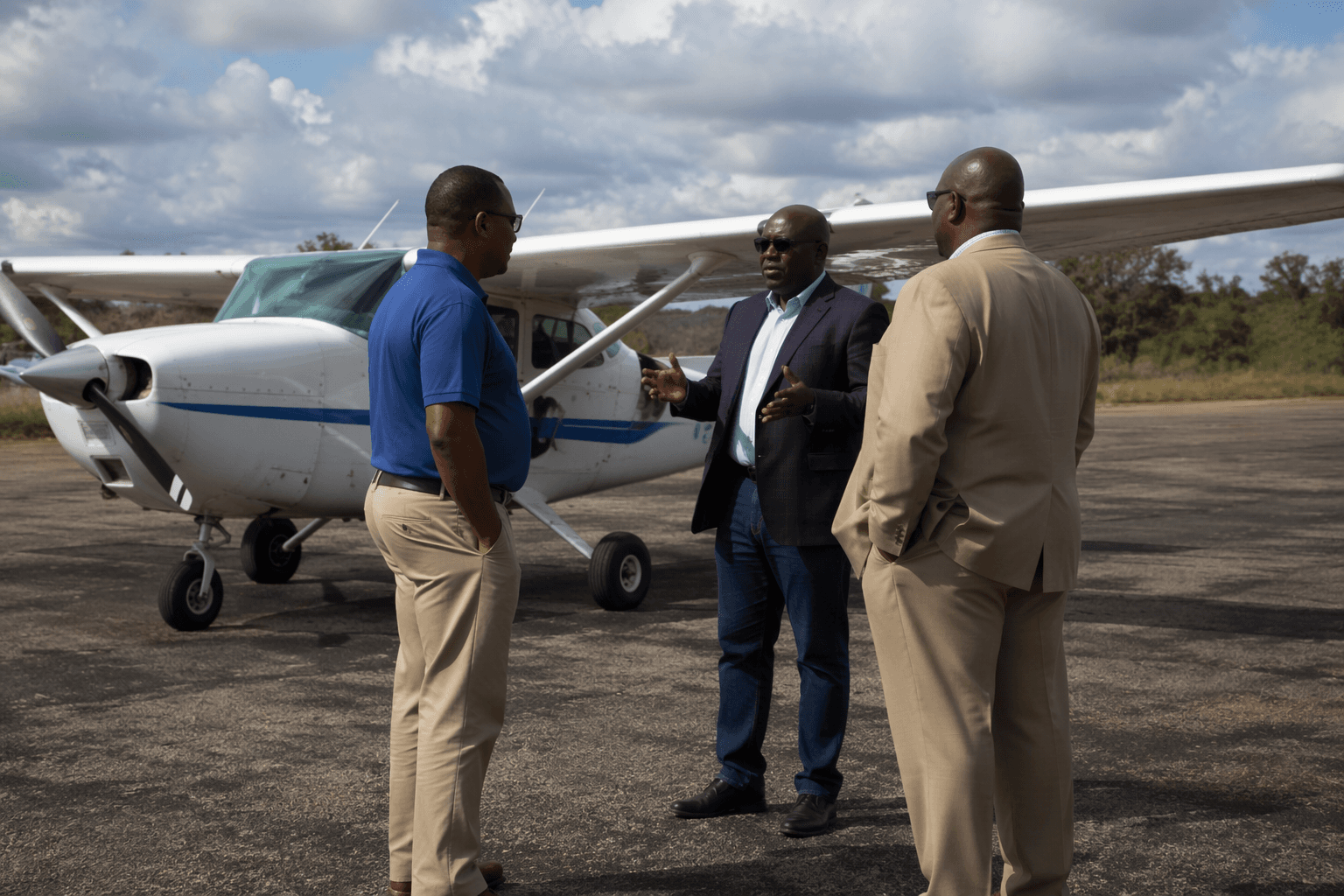
The Allendale County Airport project adds a third layer: transportation infrastructure that can affect both residents and business activity. The public notice identifies FAA AIP Project No. 3-45-0003-024-2024, with Airport Manager Lonnie Browing named in the material and the airport address listed as 467 Airport Loop, Fairfax, SC 29827.
The work includes rejuvenating and remarking the runway, taxiway and taxiway connectors, along with LED medium-intensity taxiway lighting. That is not decorative work. It is the kind of maintenance that supports safer operations, better visibility and the airport’s ability to keep functioning as a usable piece of local infrastructure.
For a small county, an airport can be easy to overlook until it becomes essential. A refreshed runway and better lighting can help with transportation reliability, business travel and the kind of access that can matter when employers, contractors or service providers need to move in and out efficiently. Even when most residents never board a plane there, the airport can still influence whether the county feels connected to the wider region.
What this mix says about county priorities
Taken together, the museum, trail and airfield projects suggest a county trying to balance identity, livability and practical access. The museum speaks to heritage and possible tourism or education benefits. The trail offers recreation and public health value. The airport work supports mobility and the infrastructure that businesses notice when deciding where to invest.
The harder question is whether this mix matches the county’s most urgent needs. In a place with a shrinking population and a large older population, visible civic upgrades can help morale and attract attention, but they have to sit alongside the less visible basics, including energy, water and wastewater planning, which are also appearing in the county’s document center. That broader mix is important because the best public investment is not only what looks good in a ribbon-cutting photo, but what keeps residents safe, connected and able to stay in the county they call home.
For Allendale County, the accountability test is straightforward: if these projects move forward, do they deliver real daily value to the people who live with them first? The documents suggest the county is trying to answer yes, and the next phase will show whether that promise turns into durable improvements on Main Street, at the leisure center and out at the airport.
This article was produced by Prism’s automated news system from verified source data, official records, and press releases, then run through automated quality and moderation checks before publishing. The system is built and supervised by the people who set the standards it runs under. Read our full AI policy.
Know something we missed? Have a correction or additional information?
Submit a Tip