Allendale County Residents Debate Shifting to Council-Manager Government Model
A People-Sentinel column by "Loose Lips" ignited debate over whether Allendale's five-member Council should cede daily operations to a hired professional manager.
A pointed question from a People-Sentinel columnist pushed Allendale County's governance structure into public debate this week: should the five-member County Council keep running daily operations itself, or hand that work to a hired professional manager?
Writing under the pen name "Loose Lips," the columnist framed the discussion around what local government circles call a "Change in Form," asking whether Allendale is "ready to step out of the shadows of the 1970s" and "show the rest of the state what a professional, rural powerhouse looks like." Published Monday, the piece described a conversation already spreading well beyond the County Council chambers.
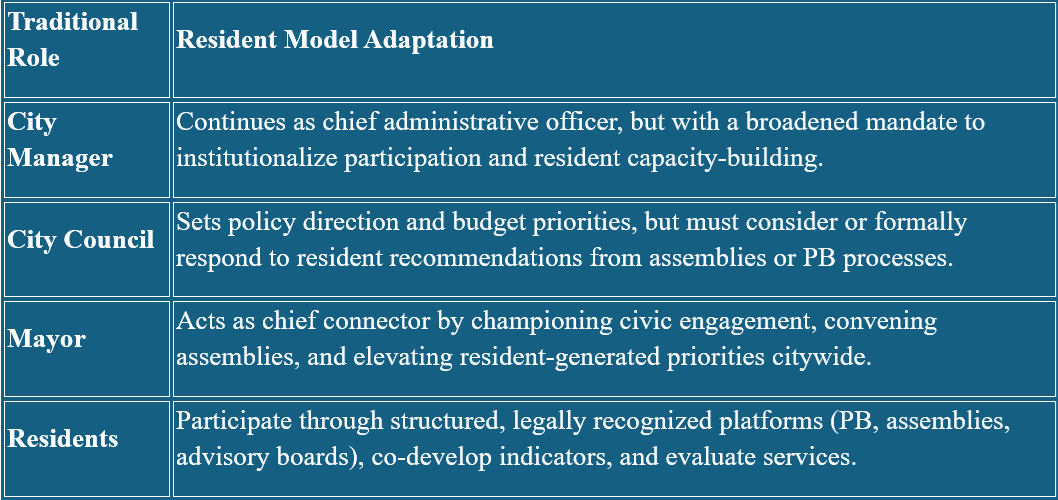
Under Allendale's current arrangement, the five elected council members hold dual responsibilities: they set policy and personally oversee day-to-day county administration. The Council-Manager model at the center of the debate would separate those functions, with the elected council handling policy while a full-time professional county manager runs operations, covering budgeting, grant administration, and personnel management.
The practical case for restructuring rests on administrative capacity. Proponents tie the change directly to Allendale's current ambitions: attracting new industry, managing larger state budget allocations, and modernizing county operations that have grown more complex. A professional manager, the argument goes, provides continuity and technical expertise that part-time elected officials may struggle to sustain.

The political resistance is equally concrete. Long-time local leaders and members of the county's "old guard" worry the shift would dilute direct accountability, inserting a hired administrator between voters and their elected representatives. Newer voices counter that professional management, with clearer role definitions and documented practices, is itself a stronger form of accountability.
A formal change would not be swift. State law would typically require public hearings, the formation of a study commission, and either a council ordinance or a public referendum before any structural shift could take effect. The fiscal implications are real: hiring a qualified county manager and reorganizing administrative staff carries direct budget costs that council members would need to address openly.
Whether or not the county ultimately forces a vote on the question, expectations are already shifting. The five council members now face growing public pressure for clearer distinctions between policymaking and administration on both sides of the chamber door.
This article was produced by Prism’s automated news system from verified source data, official records, and press releases, then run through automated quality and moderation checks before publishing. The system is built and supervised by the people who set the standards it runs under. Read our full AI policy.
Did this article answer your question?