Allendale Hunter Twice Takes Same 150 Class Buck, Seven Weeks Apart
An Allendale County hunter shot the same 150 class buck on two separate occasions within a seven week span, recovering the deer on December 21, 2025 after following its movements on a large private tract. The discovery of an earlier bullet during processing highlights questions about wound recovery, tracking practices, and meat handling for local hunters and landowners.
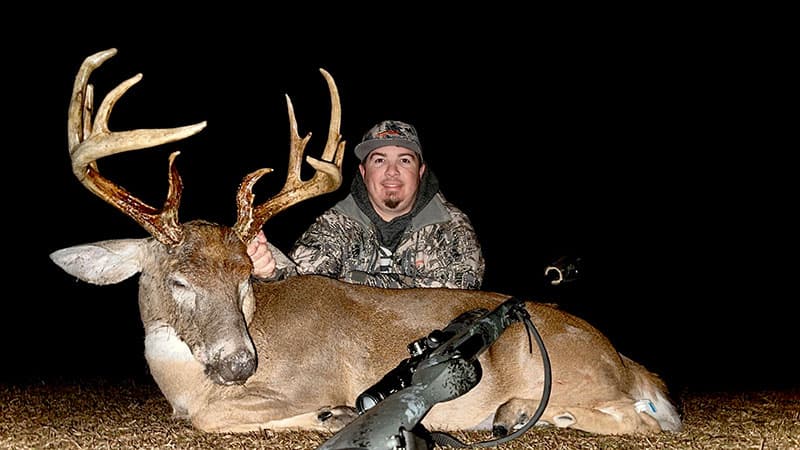
An unusual sequence of events unfolded on a large private tract in Allendale County when a hunter recovered a 150 class buck on December 21, 2025 that had apparently been hit once previously and then shot a second time seven weeks later. The hunter had been identifying and following the deer on private land over an extended period before the second encounter, and processors discovered an earlier bullet during carcass processing.
The early recovery and subsequent finding of a lodged bullet during processing suggests the initial shot did not immediately incapacitate the animal. For local hunters this is a reminder of the reality that not all shots result in immediate mortality, and that thorough follow up and tracking remain essential to ethical harvest. The incident also underscores the role of private land in deer management, as long term observation on a single tract allowed the hunter to re identify and take the same animal later in the season.
From a community perspective, the episode raises practical concerns for processors and household consumers. Finding a previous bullet while quartering venison emphasizes the need for careful inspection during processing to ensure meat safety and to document any retained projectiles. Local processors and landowners who rely on venison for household consumption share an interest in strict handling protocols and clear communication about where and when deer were harvested.

The event also speaks to broader wildlife management issues. Deer that survive an initial wound and continue to range on private property affect local population dynamics and could influence decisions about habitat management, hunting pressure, and monitoring. For Allendale County landowners who lease hunting rights or who manage tracts for wildlife, the story illustrates the value of constant observation and record keeping to track individual deer and understand movement patterns.
While this account focuses on a single 150 class buck, the lesson for the local hunting community is practical and immediate. Hunters should practice shot placement and follow up procedures, processors should continue rigorous inspection routines, and land managers should note how individual animals can persist across weeks on private tracts. These steps will help protect both meat quality and the ethical standards of hunting that sustain rural economies and outdoor traditions in Allendale County.
This article was produced by Prism’s automated news system from verified source data, official records, and press releases, then run through automated quality and moderation checks before publishing. The system is built and supervised by the people who set the standards it runs under. Read our full AI policy.
Did this article answer your question?