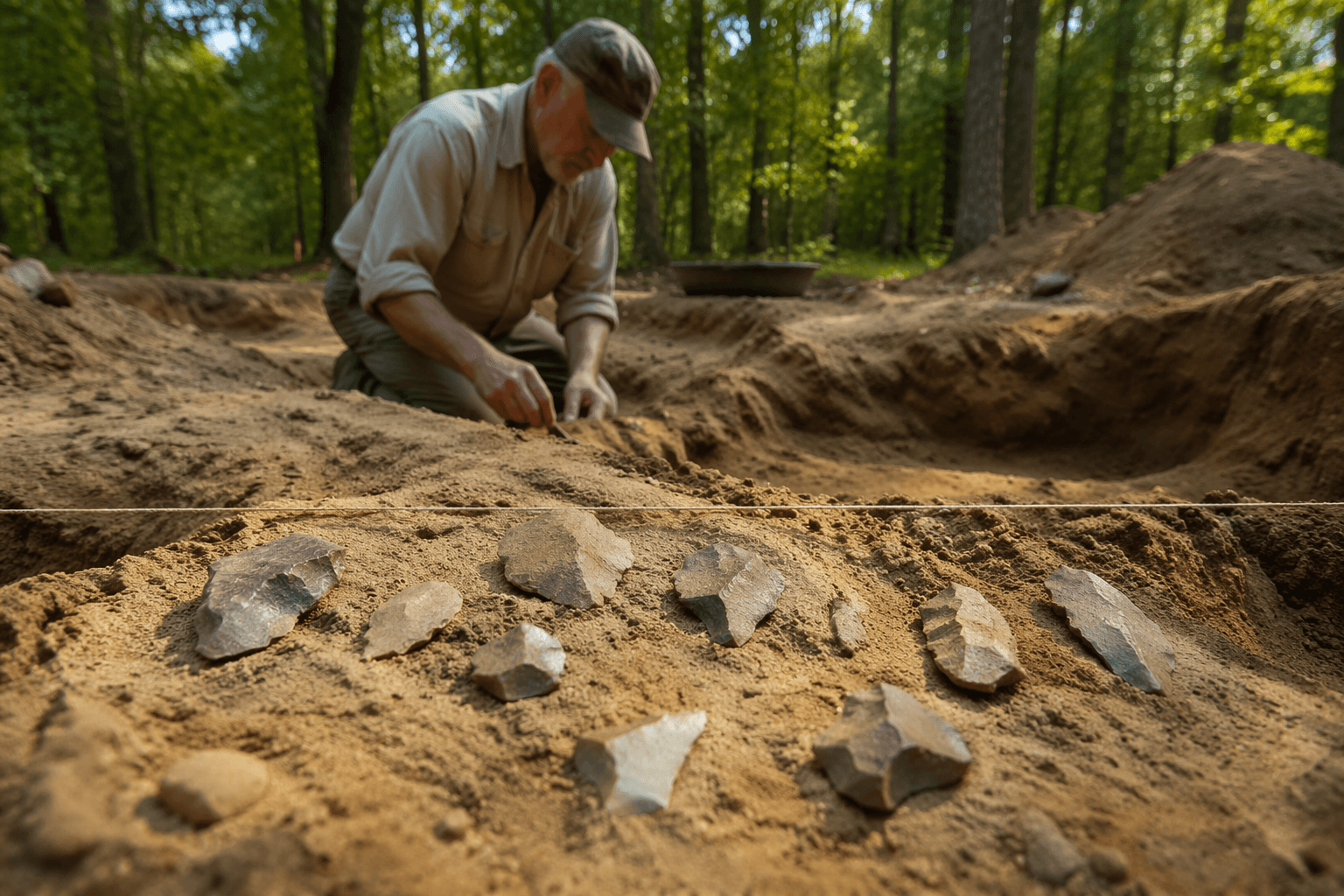
Allendale sites reveal deep prehistoric heritage, national scientific significance
Research at the Topper site and the Allendale Chert Quarries Archeological District has documented Clovis period materials and even deeper prehistoric deposits, confirming Allendale County as a focal point for Paleoindian studies. The nationally recognized sites, including site code 38AL23, matter to residents because they shape local identity, provide educational and research partnerships, and can influence preservation and heritage tourism strategies.
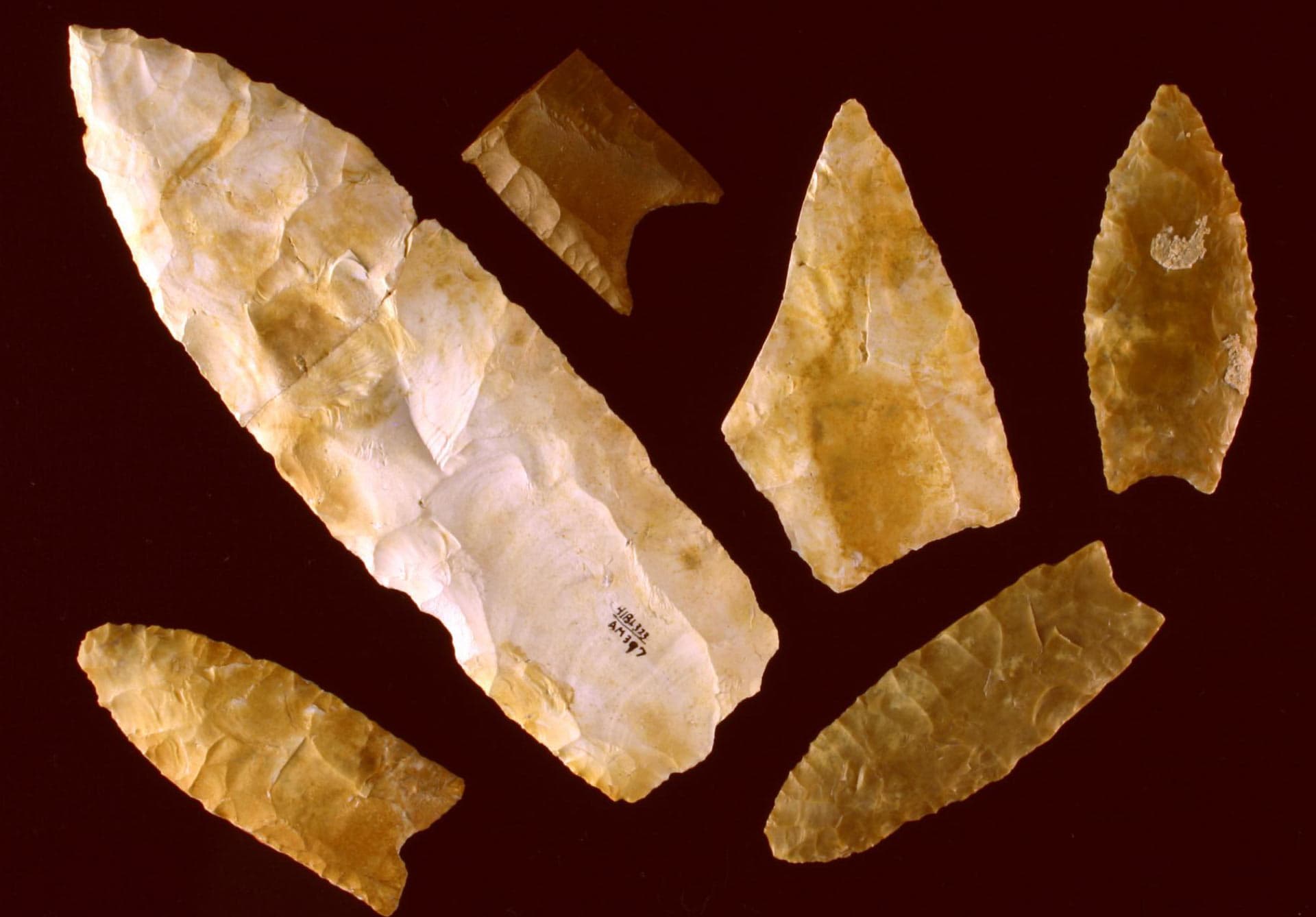
The Topper archaeological site and the Allendale Chert Quarries Archeological District stand among the most important prehistoric locations in the Southeast, with a record of extensive stone tool manufacture and deep stratified deposits that have attracted sustained academic study. Research led by Albert C. Goodyear and teams from the University of South Carolina, including the Allendale Paleoindian Expedition and the SC Institute for Archaeology and Anthropology, has documented materials from the Clovis period and reported deeper, earlier deposits at site code 38AL23. The Allendale Chert Quarries Archeological District is listed on the National Register of Historic Places, recognizing its scientific and cultural value.
Findings at Topper and the chert quarries have appeared in peer reviewed and popular archaeological outlets, contributing data that inform national debates about early human occupation in North America. The dense concentrations of lithic debris and the depth of the deposits provide a rare long term record of prehistoric stone tool manufacture, which makes the sites valuable not only to archaeologists but also to educators and local institutions seeking to interpret Allendale County history.
For the community, the significance is practical as well as symbolic. University field projects and visiting researchers bring outside investment and educational opportunities to the county, while the National Register designation opens avenues for preservation planning and eligibility for state and federal preservation programs. Protecting these deposits affects land use decisions, development planning, and property stewardship, so coordination among landowners, county officials and archaeological professionals is critical.
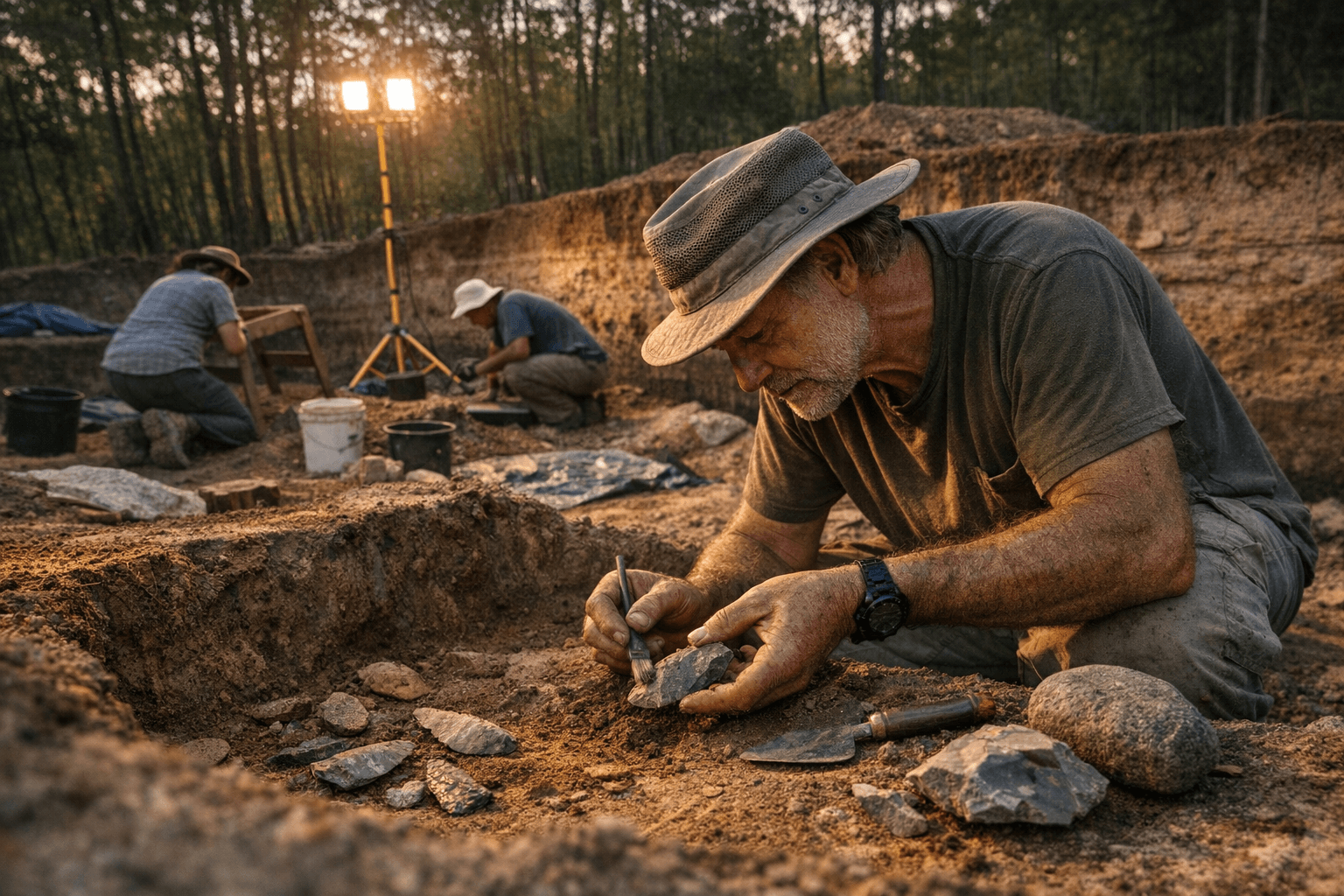
Looking ahead, ongoing investigations will continue to shape Allendale County's cultural identity and its role in broader scientific discussions about early human settlement. The combination of high quality data, national recognition, and active university engagement positions Allendale as both a guardian of a deep human past and a potential hub for heritage education and responsible tourism.
This article was produced by Prism’s automated news system from verified source data, official records, and press releases, then run through automated quality and moderation checks before publishing. The system is built and supervised by the people who set the standards it runs under. Read our full AI policy.
Did this article answer your question?