Allendale urged to adopt council-manager government for long-term gains
Allendale’s next governing choice will shape road work, staffing, and health access. Leaders now have to prove that a manager-led model can deliver real results, not just cleaner rhetoric.

What residents feel first
Allendale’s government debate is not about labels on a chart. It is about whether the next 6 to 12 months bring steadier service, fewer delays, and clearer accountability for the people who rely on county offices, town hall, and the hospital in Fairfax. The practical stakes show up in budgets, staffing, road maintenance, and the ability to keep essential services moving in a small county that already has limited room for error.
That is why the push for a permanent Council-Manager form of government has landed with so much force. The central argument is simple: elected leaders set direction, while a professional manager handles day-to-day administration with more consistency than an ad hoc system can usually provide. In a county of 8,039 people spread across 408.1 square miles, the question is not abstract. It is whether local government can function with enough discipline to serve residents well and compete for investment at the same time.
What the current structure already shows
Allendale County already describes itself as operating under a Council/Administrator form, with five council members elected from single-member districts and one chairman serving four-year terms. The county administration page lists Chanel Lewis as interim administrator, and county staff include positions tied to finance, zoning, and council support. That matters because it shows the county is already relying on professional administration, even before any formal transition is completed.
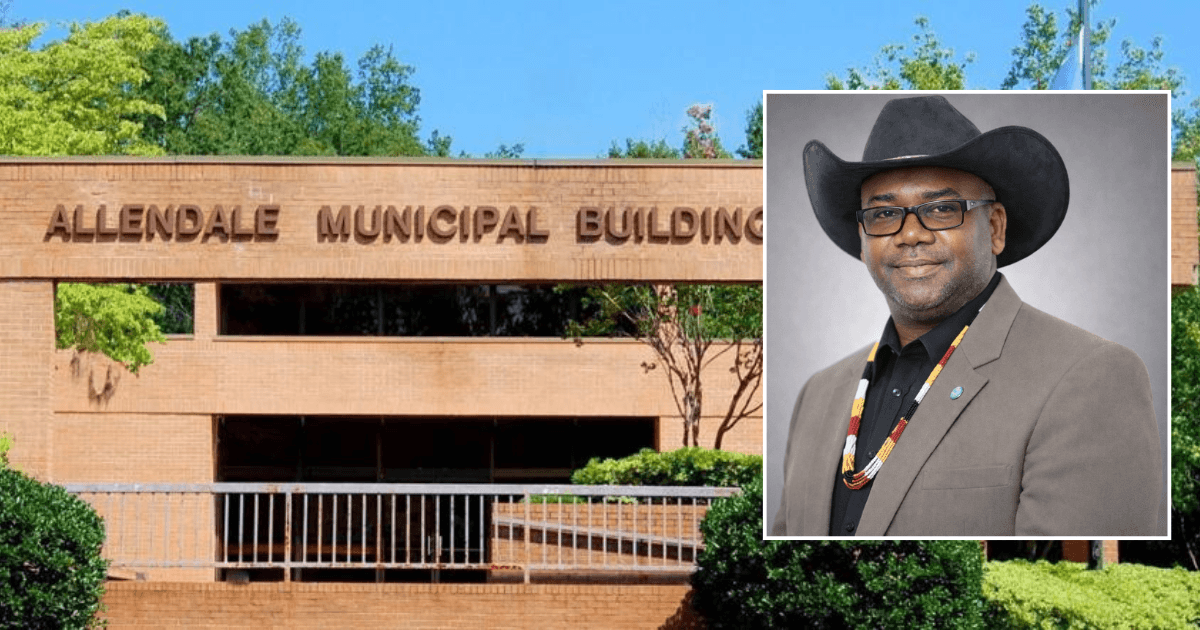
The Town of Allendale is in a different position. Its administration page shows the town administrator position as open, while the town’s council page lists Mayor Tom Carter and the council members serving the town. The contrast between the county’s interim setup and the town’s vacant administrative post is exactly why this debate has become so live locally. Residents do not need a theory of government; they need a structure that keeps the lights on, the paperwork moving, and projects from stalling.
The People Sentinel column behind this discussion makes the case plainly: Allendale has “a chance to transition to a permanent Council-Manager form” and should not waste it. The column also argues that the interim helper “can’t stay in the heat forever,” a blunt reminder that temporary arrangements are not a substitute for a durable system. That framing turns governance into an accountability issue: leaders must decide whether to build something stable now or keep leaning on stopgaps later.
Why the council-manager model is being promoted
South Carolina law already recognizes a council-manager form of municipal government in Title 5, Chapter 13, and it says municipalities may adopt one of the recognized forms of government by ordinance. That legal framework matters because it means Allendale is not inventing a new model. It is choosing among established options that the state has already provided.
Supporters of a council-manager structure argue that it can separate political decision-making from day-to-day administration in a way that reduces confusion and keeps work moving. In practical terms, that could mean more consistent project completion, steadier operations, and fewer disruptions when leadership changes. For a small county, even modest gains in staffing, budgeting, and execution can have visible effects fast, especially when residents are watching whether basic services improve or slip.
The case is also being made as a statement about leadership, not weakness. The argument is that strong councils do not lose stature by hiring professional help when it is needed. They show judgment by acknowledging that public administration is a job requiring skill, continuity, and management capacity, not just elected oversight.
Why the stakes run beyond town hall
The Department of Commerce says its consultation program can help counties, cities, and towns with organizational structure, program-of-work development, economic developer selection, and county or community assessments. It also says South Carolina’s performance-based incentives are designed to help communities compete for jobs and investment. That matters for Allendale because structure affects whether the county can present itself as organized, responsive, and ready for growth.
A county with more dependable administration is better positioned to handle the routine work that outside investors notice immediately: timely responses, clear points of contact, consistent follow-through, and credible planning. If that sounds bureaucratic, it is because bureaucracy is often where opportunity is won or lost. Development does not usually fail because of one dramatic event. It fails because meetings drag, decisions stall, or no one is clearly responsible for execution.
The health system is part of that same picture. Allendale County Hospital, at 1787 Allendale Fairfax Highway in Fairfax, is described by the county as providing inpatient, outpatient, and emergency care. In a county where reliable access to care can be a matter of distance and time, local government stability is not separate from health access. It helps shape whether core services are supported well enough to keep serving residents without avoidable strain.
What should be measured next
If county and town leaders really want residents to believe this is a turning point, they will need to define success in concrete terms. The next phase should not be sold as inspiration. It should be judged by whether the government can staff key posts, keep budgets transparent, complete projects on time, and respond faster when residents need help.
That is especially important in a county this size. Allendale’s population is small, but its responsibilities are not. The county’s 408.1 square miles include the kind of spread-out rural geography that makes coordination harder, not easier, and every vacant post or delayed decision is felt more sharply when the system has little slack. The question for officials is whether they can turn a temporary administrative arrangement into a more durable framework before the next round of service gaps becomes routine.
The real test of leadership
The strongest version of this argument is not that a council-manager model is fashionable or modern. It is that Allendale has reached a point where the people in charge must decide whether to build a system that outlasts individual personalities. That means thinking about the county’s hospitals, schools, roads, staffing, and investment climate as connected parts of the same problem.
The choice now is whether to keep improvising or to establish a structure that can support the next generation of work. In a county with a small population, a large land area, and essential institutions that cannot afford drift, that is not a symbolic decision. It is the difference between managing the present and preparing for the future.
This article was produced by Prism’s automated news system from verified source data, official records, and press releases, then run through automated quality and moderation checks before publishing. The system is built and supervised by the people who set the standards it runs under. Read our full AI policy.
Did this article answer your question?