Leadership Institute Builds Local Capacity for Economic and Civic Growth
The USC Salkehatchie Leadership Institute continued its 2025 programming, bringing an intensive retreat and a series of sessions to train local leaders from Allendale County and neighboring communities. The work matters because leadership development, community service projects, and workforce planning can strengthen local economies, improve access to services, and influence health and equity outcomes for residents.

The USC Salkehatchie Leadership Institute continued its 2025 programming this year, offering an intensive retreat and a schedule of sessions that immersed participants in regional issues, economic trends, and practical leadership skills. The cohort included local public and private sector leaders and business owners from Allendale County and neighboring counties, and the institute partnered with the SouthernCarolina Alliance and other regional stakeholders to connect training with real world development priorities.
Program organizers designed the curriculum to link leadership development to community and economic development as well as to business and workforce development. Sessions addressed regional economic trends that shape job opportunities, and practical leadership skills intended to improve civic problem solving and collaboration across municipal, nonprofit, and business lines. The institute also coordinated community service projects and regional engagement initiatives intended to strengthen local capacity for economic development and civic leadership.
For Allendale County residents the program aims to produce downstream effects on services that matter for daily life. Strengthened local leadership can help attract employers, support small business growth, and shape workforce training that keeps young people and skilled workers in the region. Those economic changes are closely tied to public health because employment, stable income, and local services are major social determinants of health. Community service projects coordinated by the institute can also expand short term support for vulnerable residents while building volunteer capacity for longer term responses to needs such as transportation, food access, and emergency preparedness.
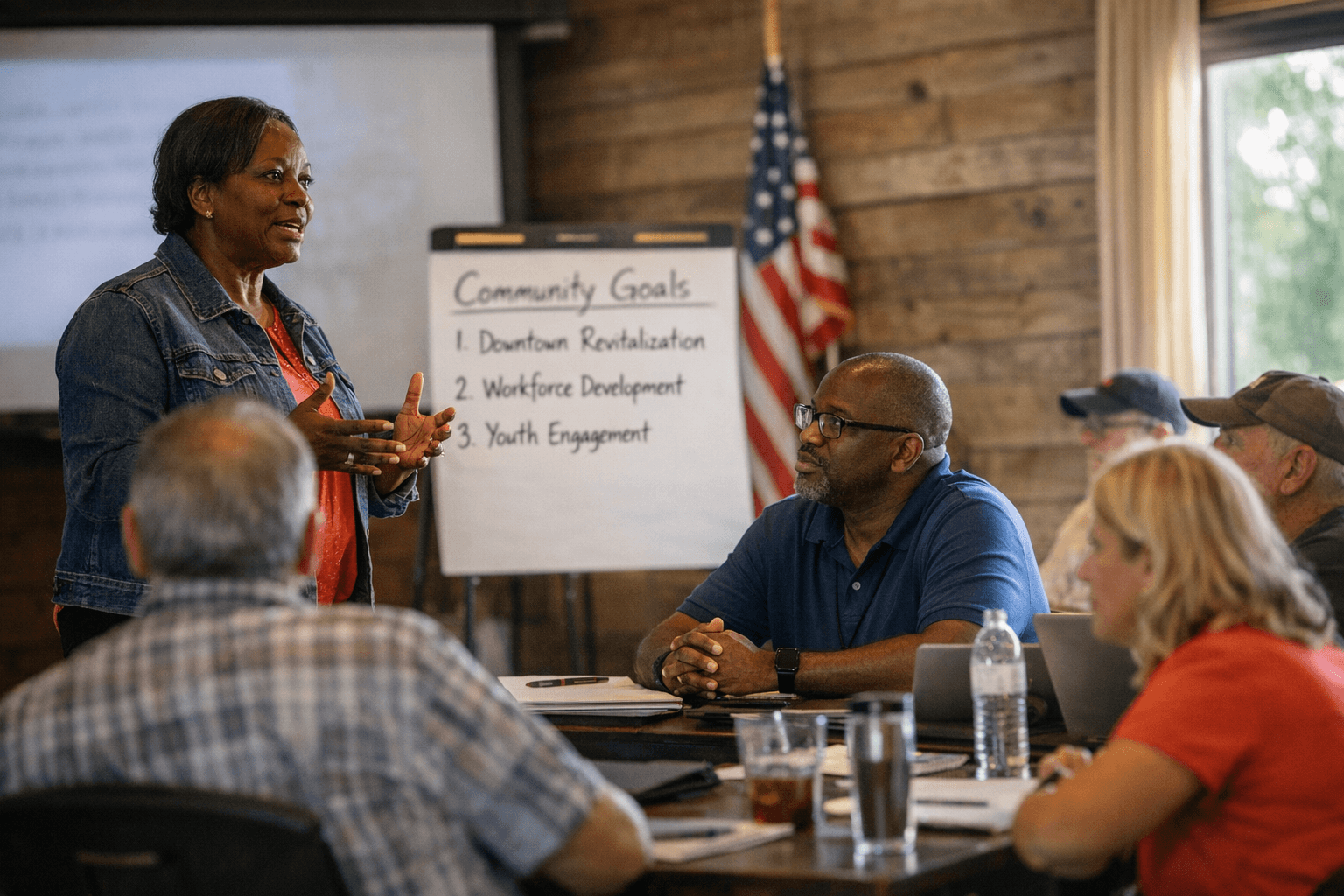
The institute s partnerships with regional stakeholders seek to translate leadership learning into measurable projects and policy engagement. In a rural county with longstanding resource gaps, sustained investment in local leadership is an equity issue as much as an economic strategy. As Allendale and its neighbors plan budgets and workforce initiatives for the coming year, trained local leaders may play a critical role in advocating for health care workforce support, improved public infrastructure, and policies that prioritize equitable access to services.
This article was produced by Prism’s automated news system from verified source data, official records, and press releases, then run through automated quality and moderation checks before publishing. The system is built and supervised by the people who set the standards it runs under. Read our full AI policy.
Did this article answer your question?