South Carolina issues statewide burn ban amid drought, wildfire risk
A statewide burn ban now bars yard debris fires, campfires and prescribed burns across unincorporated South Carolina, including Allendale County. Officials say drought and wind have made any spark dangerous.
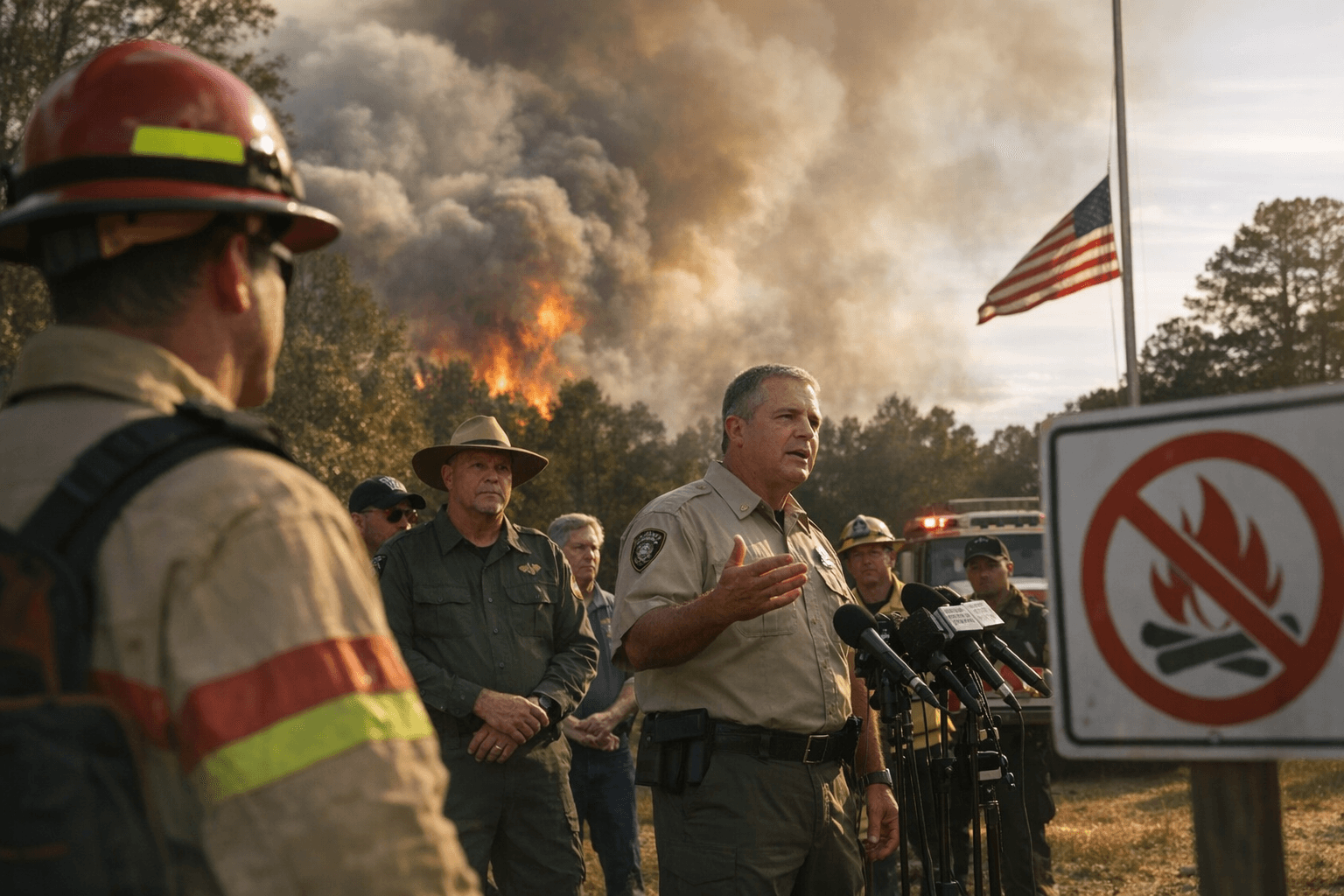
A statewide burn ban has shut down yard debris fires, prescribed burns, campfires and bonfires across unincorporated South Carolina, including Allendale County, as drought and gusty winds have made it easier for flames to spread fast and harder for crews to stop them. The South Carolina Forestry Commission put the State Forester’s Burning Ban into effect at 7 a.m. on April 17 and said it will remain in place until further notice.
For Allendale County residents, the practical effect is immediate. Outdoor burning in unincorporated areas is prohibited, including yard debris burning, prescribed burning and other recreational fires. Grills and some approved enclosed fires remain exceptions, but officials urged caution because dry fuel, low humidity and lingering Hurricane Helene debris have created conditions where a small ignition can become a larger emergency.
North Augusta Public Safety Sgt. Daniel Smith said any fire right now is high risk. Forestry Commission Fire Chief Darryl Jones said energy release component values were at high-to-critical levels, a sign that wildfires can ignite more easily and resist control once they start. That warning carried added weight in a county like Allendale, where long rural stretches can slow response if a brush fire escapes.
The broader drought picture shows why state officials moved so quickly. South Carolina Public Radio reported on April 19 that more than 97% of the state was officially in drought, and little to no rainfall was expected in the coming weeks. The U.S. Drought Monitor’s April 21 map showed severe drought spreading across much of eastern South Carolina, with extreme drought expanding in the far southeast.
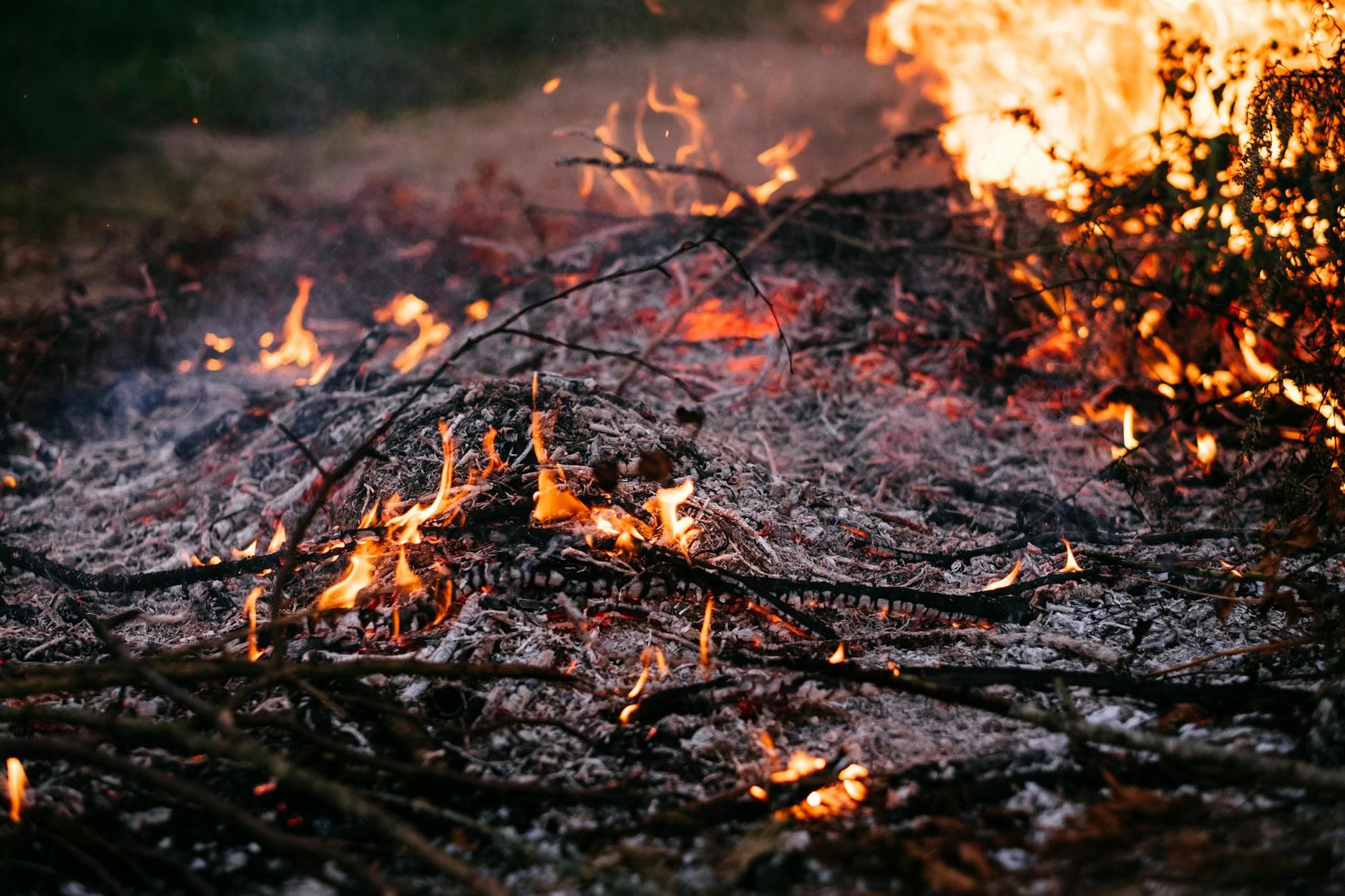
The danger is not theoretical. The U.S. Forest Service said about 40 firefighters were responding to the Woodlawn Fire in southern McCormick County on March 14, near Evans, Georgia, where the fire was burning in heavy dead and down debris from Hurricane Helene that made access difficult. By April 22, the fire was reported at 632 acres and 99% contained. Officials also pointed to the Woodlawn fire and the Sunnybrook Drive fire, both of which burned hundreds of acres, as examples of how quickly conditions can worsen.
Violating the burn ban can also bring penalties. A local report said a first offense can carry a fine of up to $200 or 30 days in jail, with repeat offenses bringing higher penalties. South Carolina had issued two separate burn bans in March 2025, a rare move that showed just how quickly fire danger has escalated across the state.
This article was produced by Prism’s automated news system from verified source data, official records, and press releases, then run through automated quality and moderation checks before publishing. The system is built and supervised by the people who set the standards it runs under. Read our full AI policy.
Did this article answer your question?