USC Salkehatchie forum explores rural jobs, schools and opportunity
Rural job growth only matters in Allendale if it reaches schools, workers and entrepreneurs. The forum pointed to the next pressure points: training, hiring and local leadership.
Jobs, schools and opportunity were the real agenda
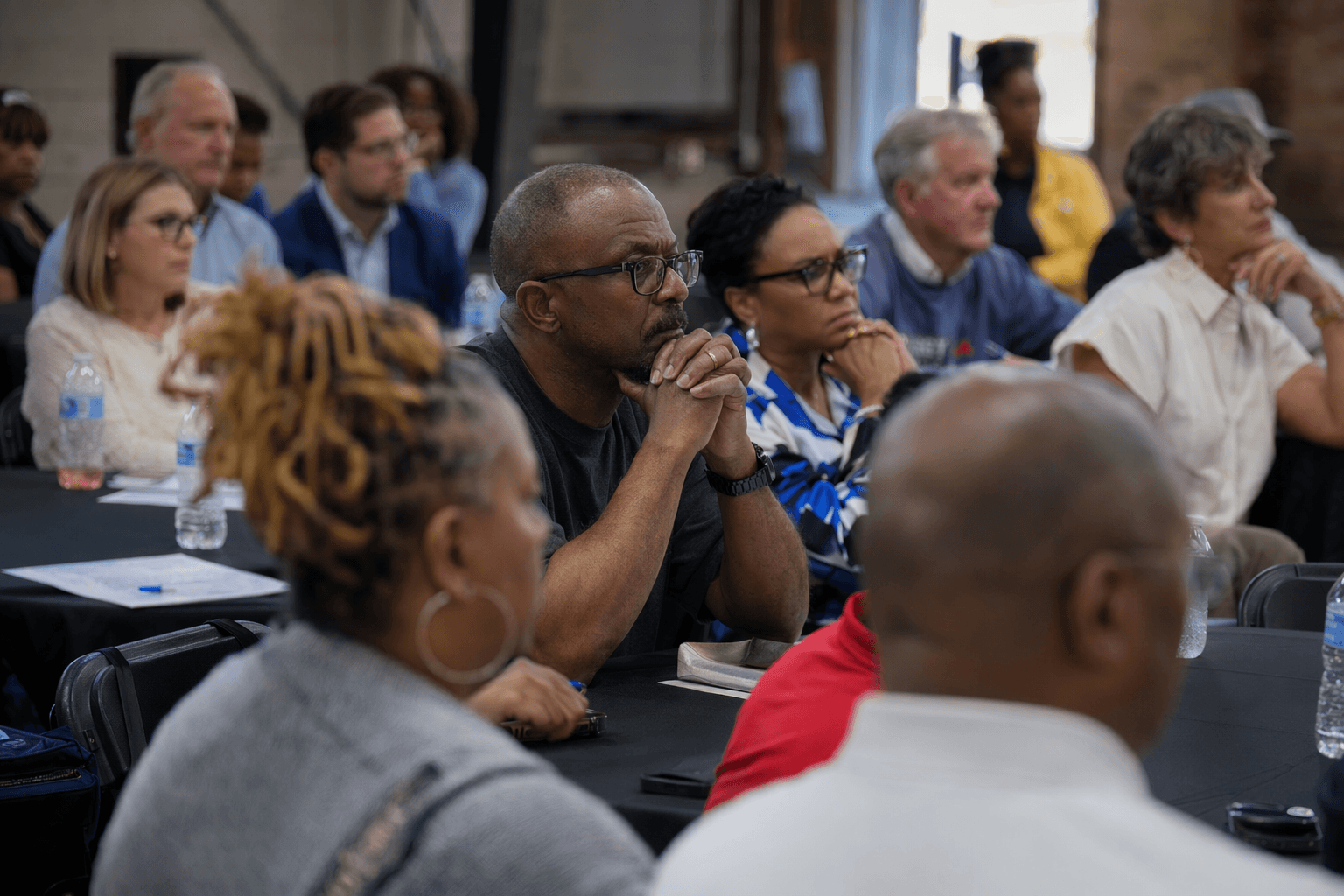
The biggest question out of USC Salkehatchie’s Leadership Salkehatchie forum was not how to lure the next factory, but how to make sure Allendale families actually feel the payoff. At the May 19 session at the University of South Carolina Salkehatchie, South Carolina Deputy Secretary of Commerce Ashely Teasdel framed rural economic development as a practical issue of who gets access to jobs, education and entrepreneurship, and who gets left watching growth happen somewhere else.
That focus matters in Allendale County because the county is small, rural and often forced to make every new connection count. Allendale County had 8,039 residents in the 2020 Census, and Allendale County Schools served 855 students across three schools in the 2024-25 school year. In a place that size, even modest gains in training, hiring or school-to-work pathways can shape whether young people leave after graduation or see a future close to home.
What state leaders say rural counties can win
Teasdel told the group that Commerce is working from a strategic framework unveiled in January 2024 to guide economic development over the next three to five years. The target sectors include life sciences, advanced energy and corporate headquarters, part of a broader effort to recruit high-value industries across South Carolina rather than concentrating opportunity in a few urban corridors.
The life sciences piece is especially telling. South Carolina Commerce says life sciences is the state’s fastest-growing sector, with an annual economic impact of $25.7 billion and wages nearly 80% above the state average. For rural counties, that kind of sector mix matters because the best economic-development strategy is no longer just about warehouse jobs or one-time announcements. It is also about whether residents can move into better-paying positions that reward training, certifications and advanced skills.
Teasdel also pointed to a statewide trend that should get the attention of local leaders in Allendale and the rest of the Salkehatchie region: more than 40% of South Carolina’s announced capital investment and new jobs in 2025 landed in rural Tier 3 and Tier 4 counties. The state announced $9.12 billion in capital investment and more than 8,100 new jobs last year, and the rural share was the highest since 2010. For Allendale, a Tier 4 county, that is more than a statewide statistic. It signals that rural communities are part of the current investment map, not an afterthought.
Why the school conversation was the most local part of the day
For Allendale readers, the clearest bridge between state policy and daily life came in the schools panel, Leading our Schools. The discussion included Dr. Vallerie Cave of Allendale County, Dr. Laura Hickson of Jasper County and Dr. Glenda Sheffield of Hampton County. That lineup linked three local school systems to the broader question of whether students can graduate ready for jobs that exist in the region.
Dr. Vallerie Coath Cave is not just the superintendent of Allendale County Schools. She is also a native of Allendale County and a 1978 graduate of Allendale-Fairfax High School, which gives her perspective that is rooted in the same community many students are growing up in now. Her role matters because school leadership in a county like Allendale is not only about test scores and calendars. It is about building a pipeline from classrooms to credentials, apprenticeships, college and work.
That is the accountability piece of the forum. If state recruiters say South Carolina wants more advanced industries, then local school leaders have to make sure students can move into those industries. If counties want to keep young adults from leaving, then school systems need pathways that make staying here make sense. The forum made clear that education is not separate from economic development. It is the front end of it.
The regional network behind the forum
Leadership Salkehatchie is designed for that exact kind of cross-county coordination. USC Salkehatchie’s Leadership Institute says it was established to help stimulate economic development in Allendale, Bamberg, Barnwell, Colleton and Hampton counties. Leadership Salkehatchie materials describe the program as one that develops leaders who drive community, workforce and economic growth, and the broader Salkehatchie region also includes Jasper County.
That regional structure matters because Allendale does not compete for jobs, school improvements or infrastructure upgrades in isolation. Employers, educators and county leaders are all drawing from the same labor pool, the same commute patterns and often the same training networks. When those leaders meet together, the value is not ceremonial. It is that they can talk across county lines about what kind of worker training, transportation access and school preparation would actually support a regional economy.
The forum also highlighted the Rural Development Strategic Planning Initiative, which is providing funding and planning help for county seats, with active projects in Walterboro and Bamberg. Even though the USC Salkehatchie note did not add more detail, the point for Allendale is clear: the state is pairing rural strategy with place-based planning, and county seats remain central to how those ideas reach people on the ground.
What could realistically change in the next 6 to 12 months
The most realistic short-term impact from a forum like this is not a new plant announcement. It is a tighter connection between schools, employers and local leadership. In the months ahead, Allendale residents should watch for whether school leaders, county officials and regional partners turn the discussion into practical moves such as career pathway expansion, stronger employer partnerships and more visible workforce planning.
The barriers are familiar. Allendale’s small population, its Tier 4 designation and the limited size of the school system all make it harder to build deep labor pipelines quickly. But the forum suggested that those same conditions make coordination more important, not less. If even a fraction of the state’s new rural investment continues to reach counties like Allendale, the real question becomes whether local institutions are ready to capture it.
That leaves a defined next assignment for the people in the room and the people they represent. USC Salkehatchie can keep convening the region. Commerce can keep steering investment toward sectors that pay more and last longer. And in Allendale, Dr. Cave and other local leaders will be measured by whether students can see a path from school into work without leaving the county behind. Teasdel’s closing point captured the stakes plainly: when individuals grow, communities grow with them, and when communities grow, opportunity expands.
Know something we missed? Have a correction or additional information?
Submit a Tip