Apache County heads into first election season without Spanish ballots
Spanish disappeared from Apache County’s print and mail ballots, leaving in-person machines as the only place Spanish will still appear. The change raises new risks for voters in St. Johns, Eagar, Springerville and Chinle.

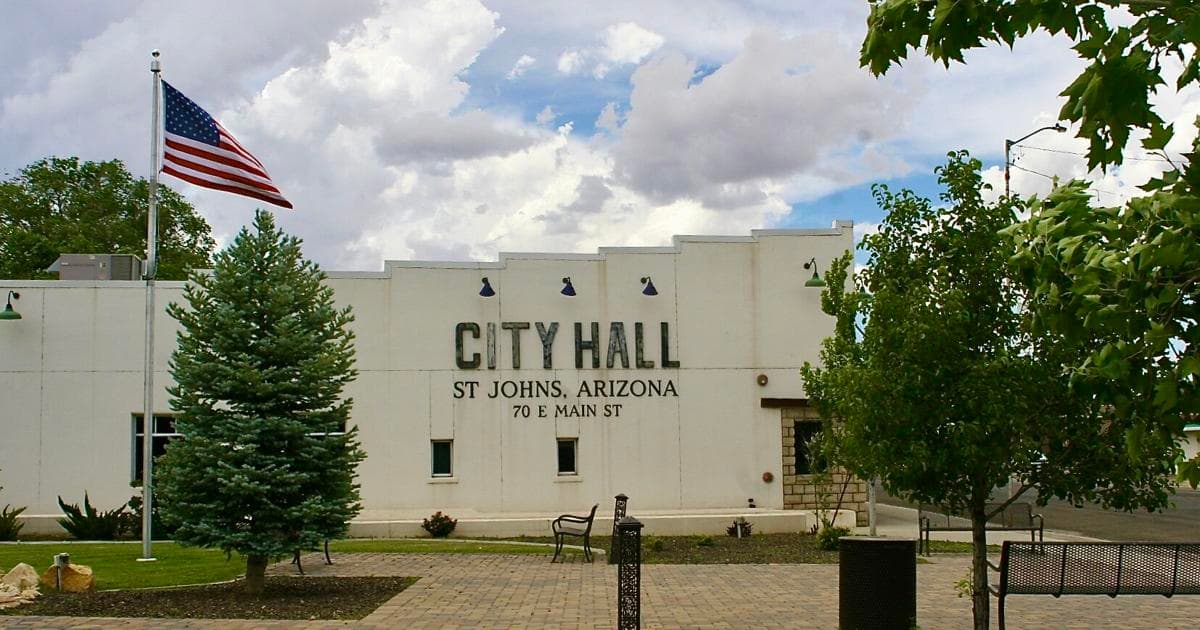
Apache County headed toward its first election season without Spanish on its print and mail ballots, a shift that leaves Spanish-speaking voters with one remaining option: in-person voting machines that still carry the translation. For households in St. Johns, Eagar, Springerville and Chinle, that means reading race names and propositions without the language help that many voters have relied on before.
The county’s move puts a practical burden on voters who can no longer use a Spanish mail ballot at home. Instead, Spanish-speaking voters will have to vote in person to see the translation on county machines, a change that matters in a place where long drives, limited internet access and uneven election-day assistance already make voting more complicated than in Arizona’s urban counties.
Apache County joins a growing group of smaller counties that have cut Spanish translations from ballots, citing cost savings and ballot length. Gila and Mohave made the same choice before the 2024 general election. Under Section 203 of the Voting Rights Act, only four Arizona counties, Maricopa, Pima, Yuma and Santa Cruz, are required to provide Spanish translations on election materials. Apache County is not among them.
Election advocates have warned that removing Spanish ballot translations can disenfranchise voters whose primary language is not English. In Apache County, the risk is greatest where language access and geography overlap, especially in remote communities tied to the Navajo Nation and in towns where residents may already depend on mailed ballots, sample materials and limited in-person help to cast a valid vote.
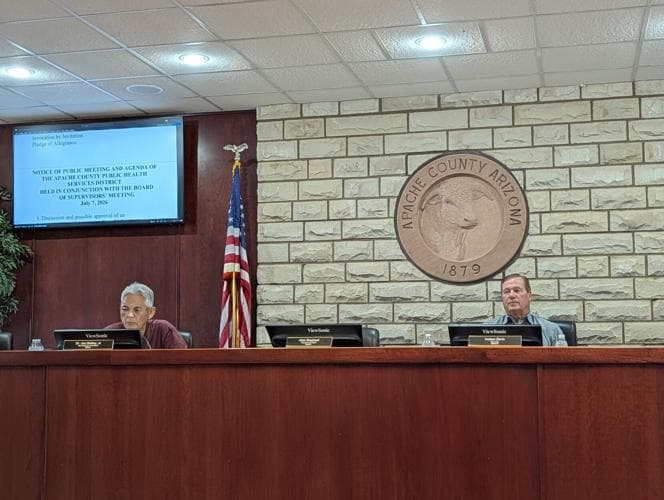
The county’s elections office operates under the Apache County Board of Supervisors, and that makes the next step as important as the ballot change itself: voters will need clear notice before the next election, with plain guidance on where Spanish remains available and who will be asked to vote in person to use it. County and state officials will also have to decide whether they track turnout and ballot-error rates in communities most likely to feel the loss of Spanish on the ballot.
This article was produced by Prism’s automated news system from verified source data, official records, and press releases, then run through automated quality and moderation checks before publishing. The system is built and supervised by the people who set the standards it runs under. Read our full AI policy.
Did this article answer your question?