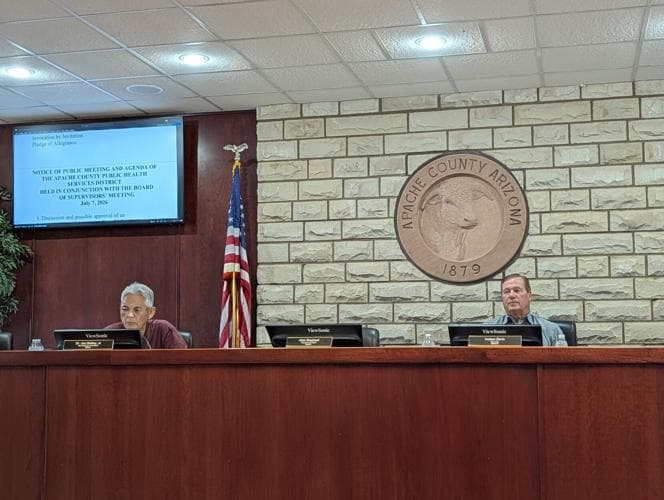
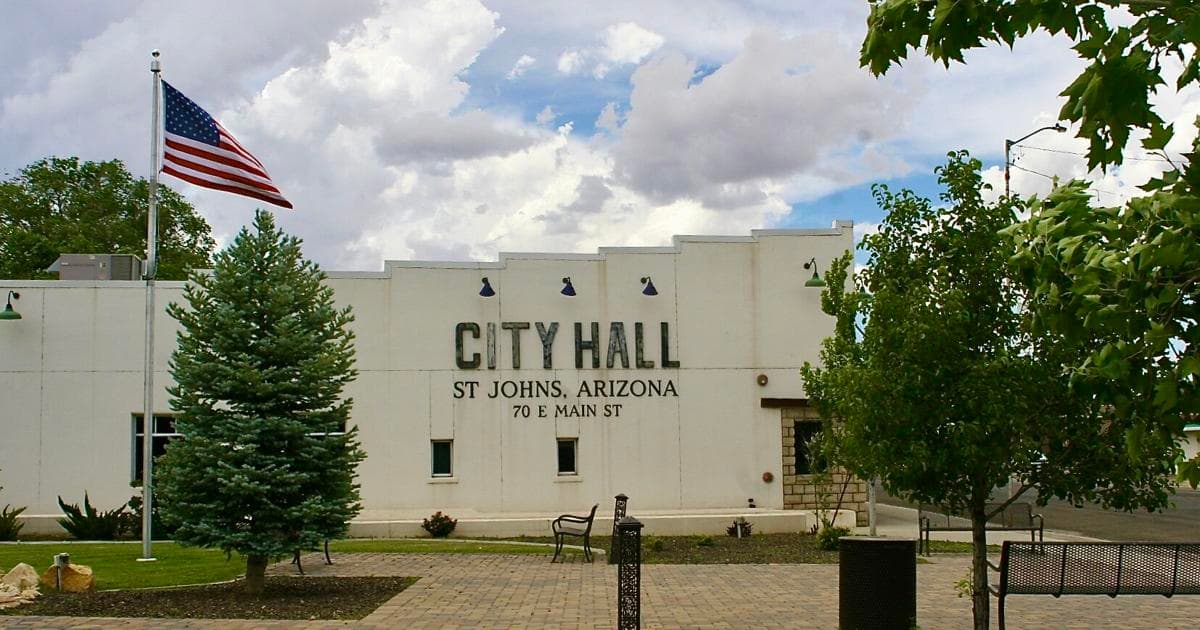
Apache County leaders focus on broadband and long-term economic future
Crews are already digging in Springerville while Apache County weighs whether broadband and new industries can replace coal-era jobs. The question now is whether the plan has dates, funding and hiring paths.
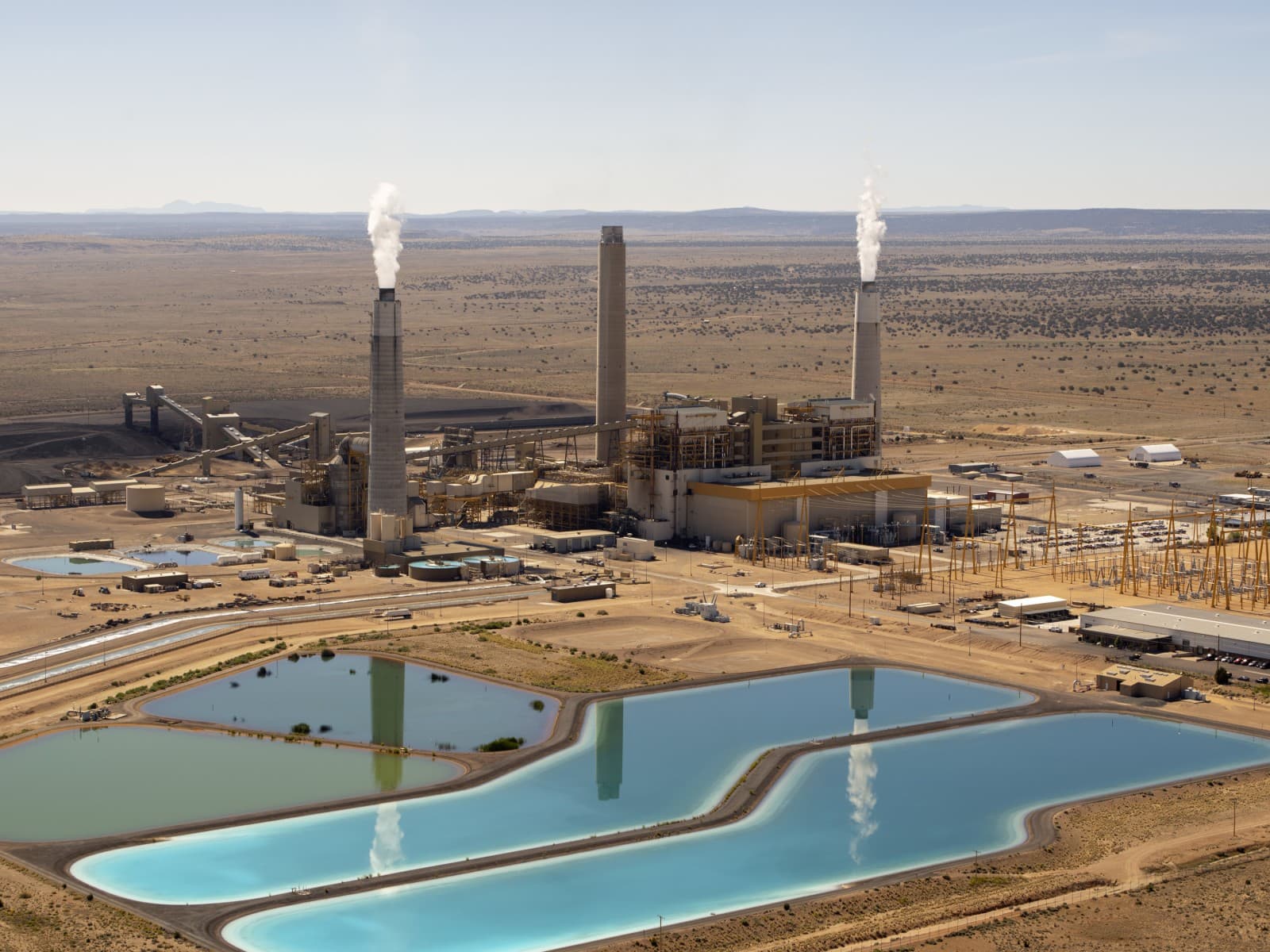
Crews have already been digging in Springerville easements and staging in Round Valley as Apache County tries to turn broadband from a promise into service. The work reaches far beyond internet speed: in St. Johns, Eagar, Springerville and Chinle, reliable access now decides whether schoolwork gets done, telehealth connects, small businesses can take payments and residents can apply for jobs or deal with government offices.
Broadband buildout has moved from planning to construction
Apache County has secured a $9.7 million Arizona Broadband Development Grant from the Arizona Commerce Authority, and the county says that money will go toward installing fiber-optic infrastructure. Salt River Project identified Commnet as the broadband carrier tied to the award, and said the project is designed to connect more than 3,200 households to high-speed internet while pushing the county toward 100% connectivity.
Ethos Broadband says construction has begun in Apache County, with crews working from Round Valley as part of the fiber-to-the-home buildout. A Town of Eagar notice in November 2024 said crews were digging in Springerville easements as the fiber project got underway, a sign that the county’s broadband push is now visible on the ground, not just in grant paperwork.
The county also flagged the grant as especially important for Apache County School Superintendent Joy Whiting, underscoring how closely broadband access is tied to schools. In a county where long drives and sparse service can already complicate education and public services, fiber lines are being treated as infrastructure as basic as roads and water.
Why broadband matters in daily life across Apache County
The stakes are practical and immediate. Families need broadband for schoolwork and communication with teachers, while patients increasingly depend on telehealth for routine care that would otherwise mean another long trip. Job seekers need stable internet for applications, interviews and training portals, and households use it for banking and communicating with government offices that increasingly expect online access.
For small businesses, the internet is no longer optional. Reliable service is needed to process payments, manage inventory and reach customers beyond county lines, especially in places such as St. Johns, Eagar, Springerville and Chinle where local operators often compete with businesses that already have stronger digital infrastructure. In that sense, broadband is not a side project in Apache County’s future economy; it is the platform on which education, health care and commerce now depend.
That is why the county’s broadband work matters even before the last mile is complete. A fiber network that reaches more than 3,200 households changes the map for families and employers, but the county’s actual test will be whether the connections stay affordable, reliable and available enough to narrow long-standing gaps between remote communities and the rest of Arizona.
Economic planning now has to answer the coal question
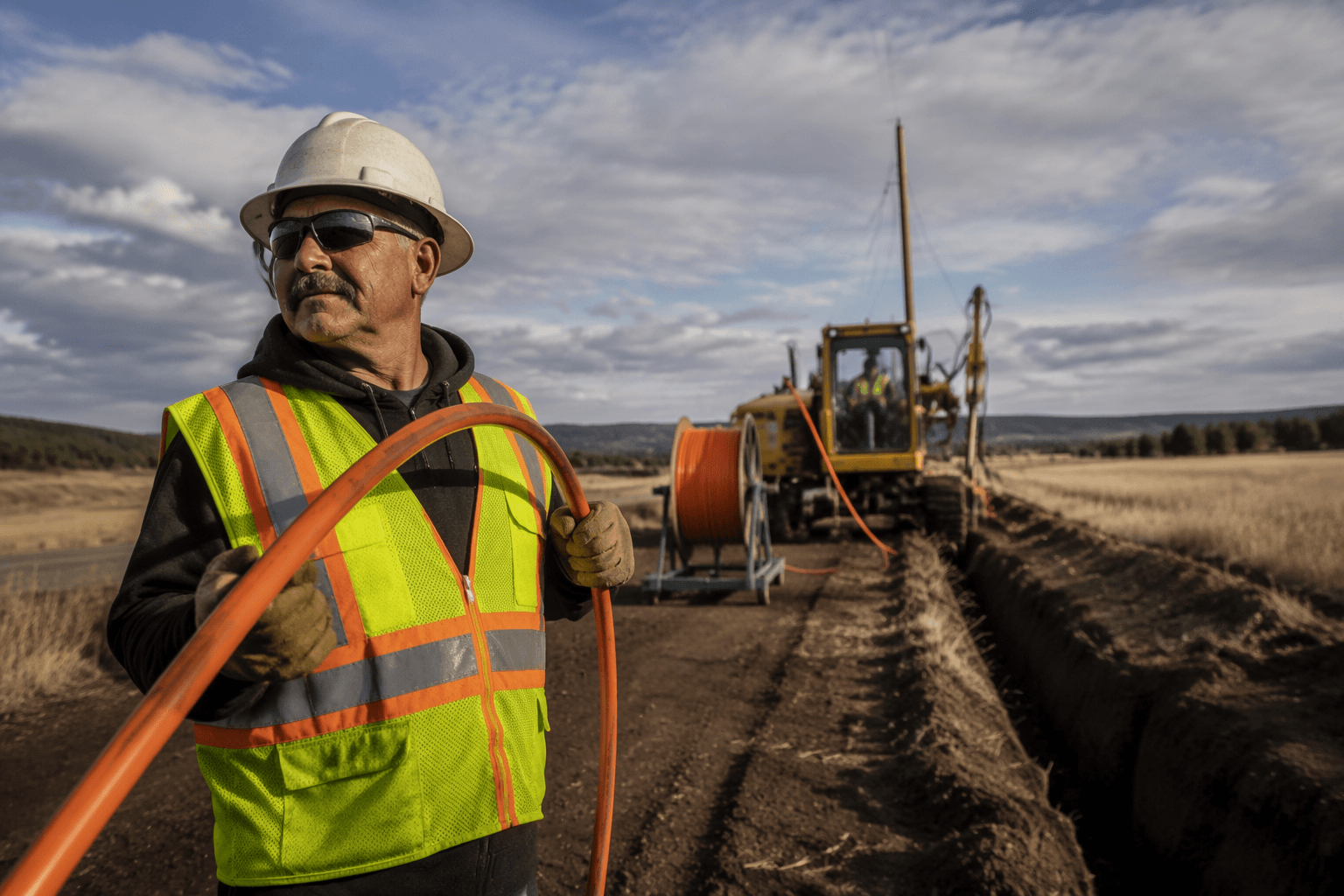
The broadband push is unfolding alongside a harder question: what comes after coal. Coal-related jobs, both direct and indirect, have supported Apache County’s economy for decades, and that means transition planning affects not only workers but also families, schools and local governments that rely on tax revenue and consumer spending. A serious strategy has to do more than describe the change, it has to show how people will move from one economy to the next.
That is where the county’s long-term economic future gets judged. A durable plan usually needs workforce retraining, infrastructure investment, entrepreneurship support and sectors that can grow locally, including construction, services, tourism, agriculture and tribal enterprise. Without those pieces, economic transition remains aspirational talk; with them, it can become a measurable path toward replacement jobs and steadier local revenue.
The broader policy landscape shows why timing matters. Arizona received more than $105 million in tribal broadband funding from the National Telecommunications and Information Administration in August 2022, putting connectivity investment and energy transition into motion during the same period. A 2024 Northern Arizona BRECC economic diversification plan also noted that coal communities are reimagining local industries with technical assistance supported by the U.S. Economic Development Administration.
The regional strategy is about more than one county line
Apache County is not making these decisions in isolation. A 2022 Rounds Consulting Group study prepared for SRP and Tucson Electric Power examined the benefits of expanding broadband infrastructure in the county, while the Northern Arizona Council of Governments’ broadband strategic plan set out a broader vision: create a quality, sustainable regional economy while preserving heritage and natural resources.
That combination matters in a county that includes multiple tribal communities and remote towns. Broadband can support classrooms, clinics and storefronts in the same places that a transition strategy must also protect as energy markets shift, and that makes coordination essential among county government, tribal governments, state agencies, utilities and private providers. The question is not just whether fiber reaches the house, but whether the county can pair that infrastructure with a plan that keeps people working where they live.
For Apache County residents, the next phase should be measured in concrete terms: how many homes get service, how quickly crews finish, which communities still wait, and which replacement jobs actually materialize. The county’s broadband buildout has momentum; the long-term economic plan will be judged by whether it can turn that momentum into stable work, better services and a future that does not depend on coal alone.
This article was produced by Prism’s automated news system from verified source data, official records, and press releases, then run through automated quality and moderation checks before publishing. The system is built and supervised by the people who set the standards it runs under. Read our full AI policy.
Did this article answer your question?