Diné College student defends thesis on H. pylori in Navajo water
Diné College student Ian Tabaahi Nez traced a stomach-cancer bacterium in Navajo water samples, a finding with direct stakes for households, clinics and water systems.
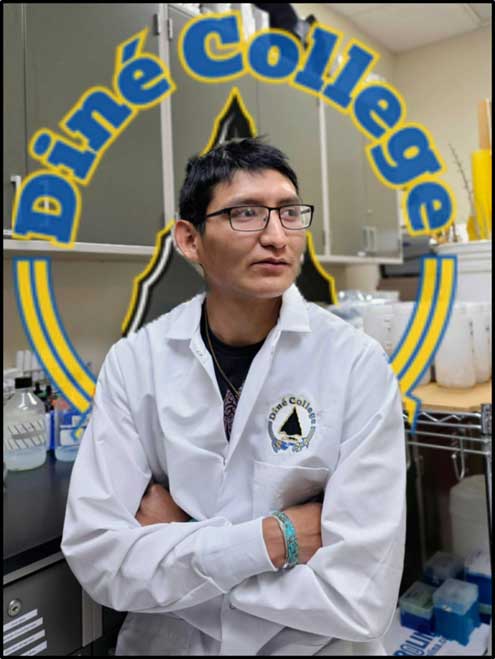
Ian Tabaahi Nez used his Diné College master’s thesis to probe a public-health question that reaches well beyond campus: whether Helicobacter pylori can be detected in Navajo Nation water samples, and whether the bacterium’s virulence markers, including cagA and vacA, are present in those waters.
Nez, a Master of Science in Biology candidate in Diné College’s School of STEM, defended the thesis in Tuba City on May 5, 2026. Diné College posted the story May 11 and said the work was reviewed by a committee that included Professor Dr. Miranda Haskie, Dr. Nadeem and Professor Dr. Fernando Monroy.
The research lands in a region where the health stakes are already high. Diné College said roughly 56 to 68 percent of Navajo adults in certain areas test positive for H. pylori, and it said gastric cancer is three to four times higher in the Navajo Nation than in non-Hispanic white populations in the region. A University of Washington epidemiology page puts gastric cancer incidence at 3.5 times higher in the Navajo Nation than in the general Arizona and New Mexico population.
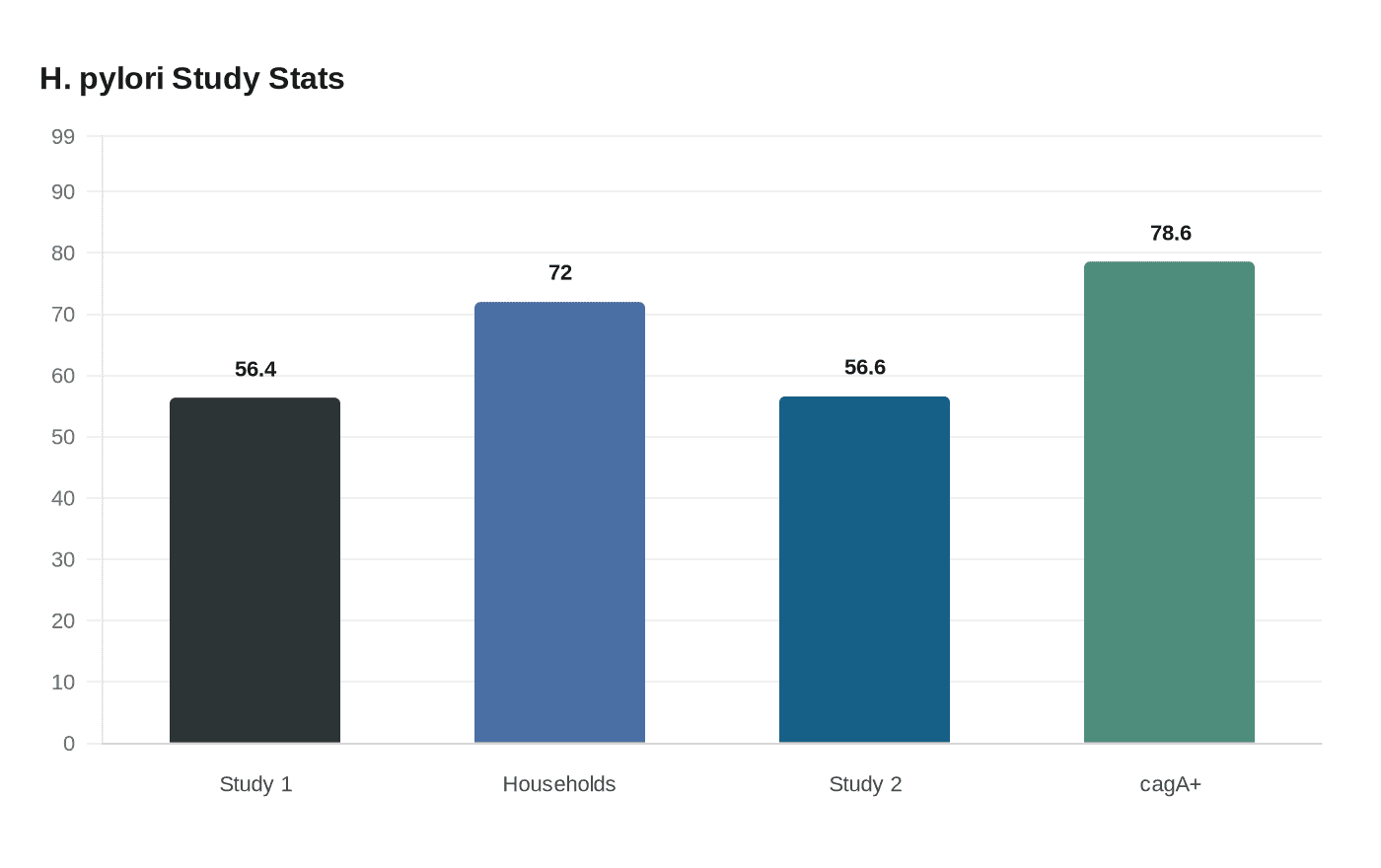
Earlier studies have shown how closely infection can track with water access. A cross-sectional study of 101 adults from three Navajo Nation chapter communities found H. pylori prevalence of 56.4 percent, and 72 percent of households had at least one infected person. The odds of active infection were 8.85 times higher in households using unregulated water than in households using regulated water. Another study of 99 Navajo adults found 56.6 percent were infected, and 78.6 percent of those infected carried cagA-positive strains.
Those numbers help explain why Nez’s thesis matters in Apache County and across the Navajo Nation, where many homes still depend on unregulated water sources and where routine screening often looks for fecal indicator bacteria such as E. coli instead of H. pylori itself. Researchers have also noted that H. pylori can enter a viable but nonculturable state, which makes laboratory detection more difficult. The U.S. Environmental Protection Agency lists the bacterium on its Contaminant Candidate List.
The gap is not only technical. A 2022 qualitative study found Diné participants had limited knowledge of H. pylori and stomach cancer and believed local providers had limited knowledge as well. Nez’s project fits that reality by tying laboratory science to the questions households, clinics and tribal infrastructure officials face every day: what is in the water, who is exposed and how do health systems respond before cancer risk deepens further.
This article was produced by Prism’s automated news system from verified source data, official records, and press releases, then run through automated quality and moderation checks before publishing. The system is built and supervised by the people who set the standards it runs under. Read our full AI policy.
Did this article answer your question?