Diné officials review screwworm response plan after Texas cattle case
Texas’s first U.S. screwworm case in 60 years has Navajo Nation agriculture officials dusting off a long-dormant response plan before the pest reaches local herds.

A New World screwworm case in a 3-week-old calf in Zavala County, Texas, has pushed Diné agriculture officials to review how quickly they could move if the parasite reached ranches closer to Apache County. The threat is no longer theoretical: federal officials said the June 3 detection was the first confirmed U.S. case since eradication in 1966, and a second infested calf was later confirmed nearby.
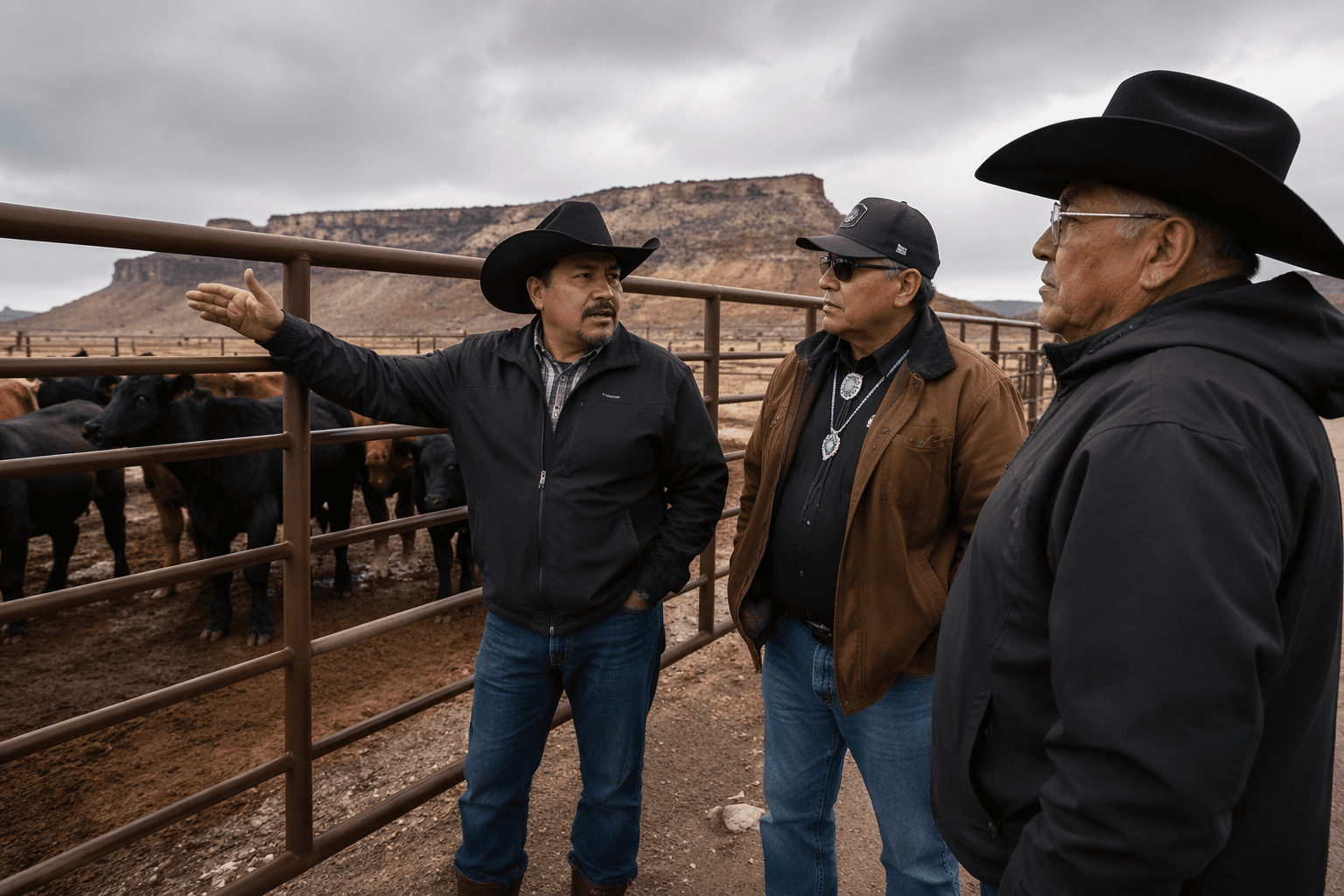
For ranching families across Apache County and the Navajo Nation, the stakes run through cattle sales, grazing permits and the movement of animals across state lines. Screwworm larvae feed on living tissue, which can turn a single wound into a serious livestock injury and a costly loss for owners who depend on healthy herds to make a season work.
The Navajo Nation Department of Agriculture says it is the lead agency for planning, coordination and management of programs and policies that protect Navajo rangelands, livestock and agricultural resources. That makes the department central to any tribal response if the parasite turns up in or near Navajo communities, where livestock travel is common and veterinary access can be limited by distance.
Officials are now revisiting a more than two-decade-old emergency plan as Texas and federal agencies work through the new case. USDA’s Animal and Plant Health Inspection Service updated its New World screwworm Response Playbook on April 8, laying out a coordinated approach built around surveillance, movement restrictions, education and outreach. The same playbook is meant to guide federal, state and local responders if the pest is detected in the United States.
The federal response already has infrastructure in place. USDA announced a sterile fly dispersal facility in Edinburg, Texas, on February 9, and APHIS later shifted sterile fly dispersal efforts to operations about 50 miles into Texas along the border with Tamaulipas, Mexico. Sterile fly production and dispersal remain a core tool in the eradication strategy.
Health officials say the larger outbreak has been moving northward through Central America and Mexico since 2023. The Centers for Disease Control and Prevention says no locally acquired human infestations have been reported in the United States, but the return of a parasite that had been absent domestically for nearly 60 years has put ranchers, veterinarians and public officials on alert from Window Rock to Apache County.
This article was produced by Prism’s automated news system from verified source data, official records, and press releases, then run through automated quality and moderation checks before publishing. The system is built and supervised by the people who set the standards it runs under. Read our full AI policy.
Did this article answer your question?