GMCS Diploma Language Seals Qualify Students for Tribal and Federal Jobs
GMCS diplomas bearing Navajo, Zuni, or Spanish language seals now qualify graduates for federal hospital and tribal court jobs across the region.
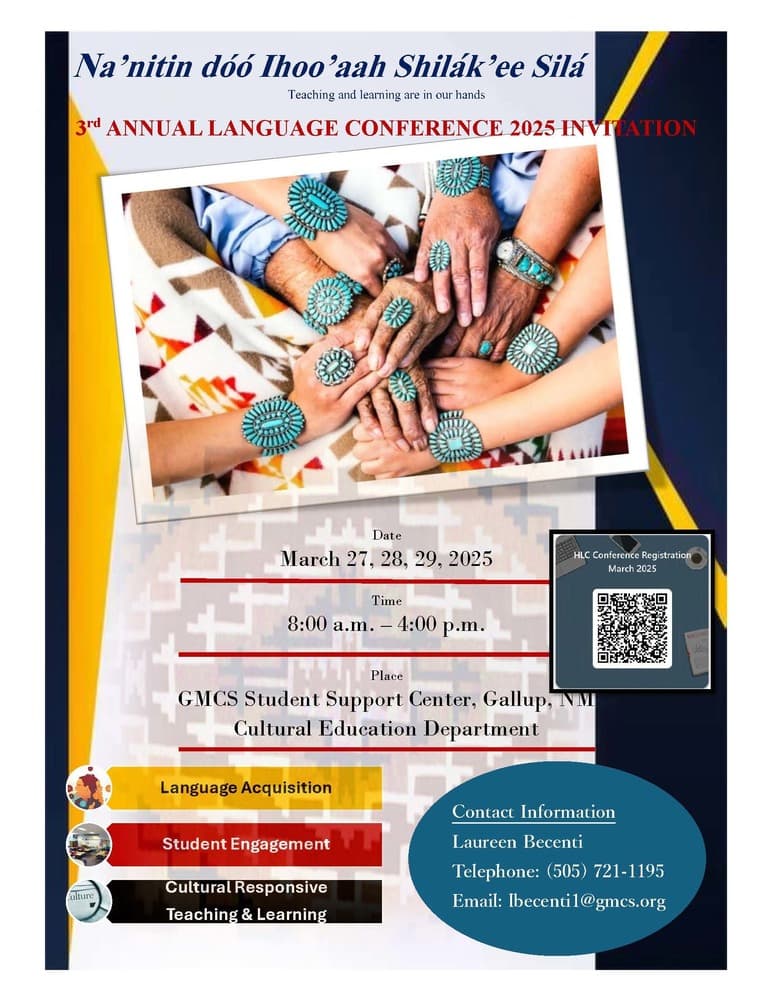
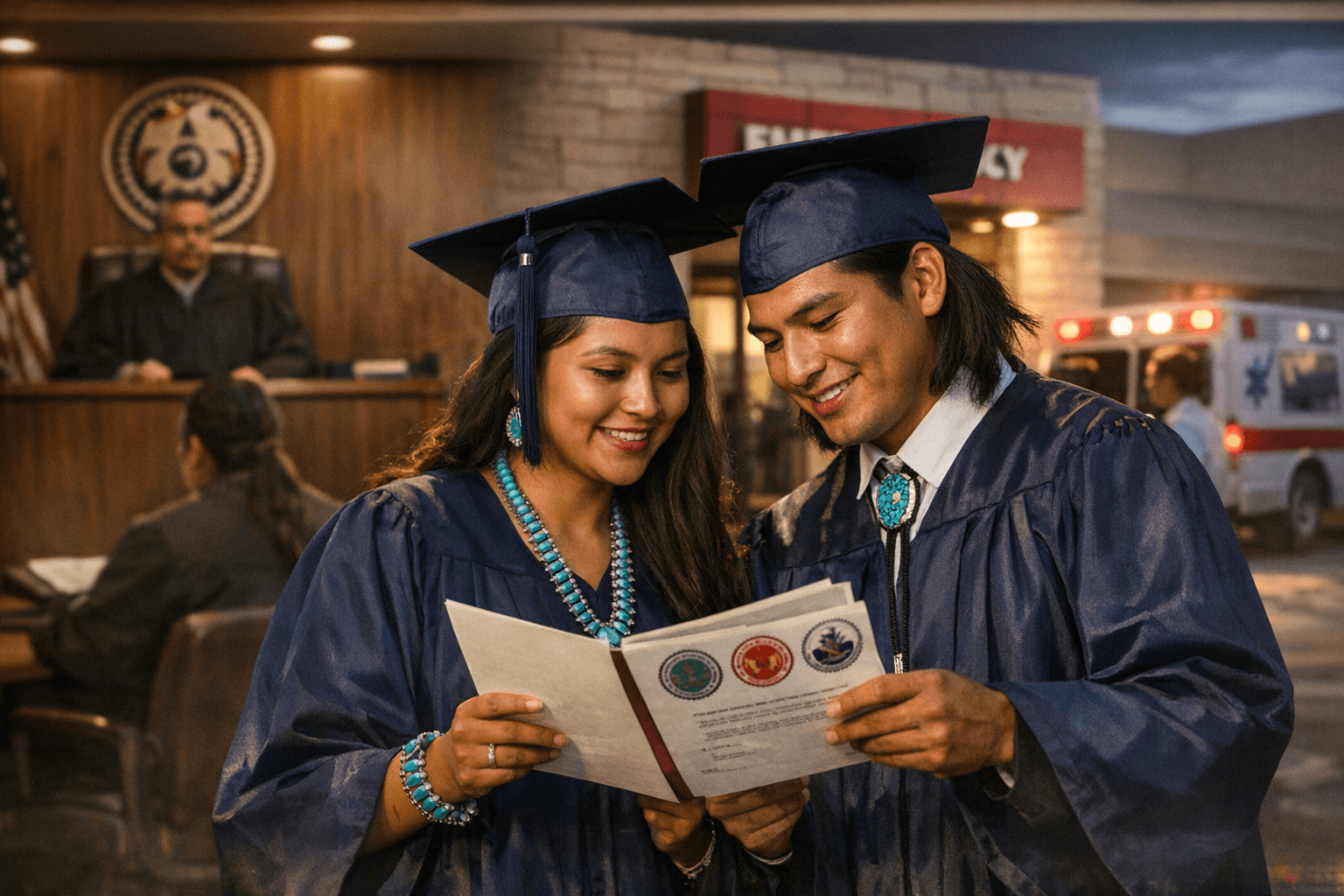
Gallup-McKinley County Schools diplomas bearing New Mexico's State Seal of Bilingualism-Biliteracy open direct pathways to employment at federal Indian Health Service hospitals, tribal courts, and Navajo Nation government offices, positioning the district's graduates for careers that demand fluency in Navajo, Zuni, or Spanish.
GMCS, the geographically largest school district in New Mexico, serves 34 schools on and near the Navajo and Zuni Indian Reservations, with 16 campuses situated directly on Navajo land. Native American students make up roughly 80 percent of district enrollment, giving the language seal program particular weight in a district where heritage language proficiency is both a cultural asset and an economic credential.
The seal, formally the New Mexico State Seal of Bilingualism-Biliteracy, appears on a graduating student's Diploma of Excellence and certifies proficiency in a language other than English. For Navajo and Zuni speakers, a tribe may certify that proficiency directly, giving nations authority over the standards their members must meet. Students may also qualify through four years of coursework with a grade of C or better, a combination of coursework and standardized assessment, or an alternative portfolio reviewed by a panel of community-fluent speakers.
Behind the program is a staffing structure built on two parallel tracks: seven teachers licensed through the New Mexico Public Education Department and 30 instructors certified directly by their home tribes. The Navajo heritage language program operates under the Diné Content Standards developed by the Navajo Nation Department of Diné Education, formalized through a memorandum of understanding between GMCS and the nation. A parallel MOU with the Pueblo of Zuni governs the Zuni language track. GMCS and Navajo Nation leaders met as recently as March 2025 to review curricula and discuss the Diné Proficiency Language Assessment results; GMCS and Zuni leadership held their most recent meeting in March 2025 as well.
Three federal and state funding streams sustain the effort: Title VI, the New Mexico Bilingual-Multicultural Education Grant, and the Indian Education Grant.
The stakes for communities in this region are concrete. The Zuni Tribe holds trust lands in Apache County, and the Navajo Nation spans a wide stretch of northeastern Arizona. Jobs at tribal courthouses, chapter houses, and federally operated clinics throughout that corridor routinely require demonstrated language proficiency, a threshold that a sealed diploma now helps graduates meet on paper before they walk into a first interview.
New Mexico launched the statewide SSBB program in 2015. Since 2016, more than 1,000 students across 32 participating districts and charter schools have received the credential. GMCS, with its concentration of heritage language speakers and its direct government-to-government relationships with the Navajo Nation and the Pueblo of Zuni, is positioned as one of the more consequential providers of that credential in the state.
This article was produced by Prism’s automated news system from verified source data, official records, and press releases, then run through automated quality and moderation checks before publishing. The system is built and supervised by the people who set the standards it runs under. Read our full AI policy.
Did this article answer your question?