Hobbs Signs Law Requiring DCS to Partner With Arizona Tribes on Child Welfare
Arizona's DCS must now pursue formal agreements with all 22 tribes after the murder of San Carlos Apache teen Emily Pike exposed deadly gaps in state-tribal coordination.
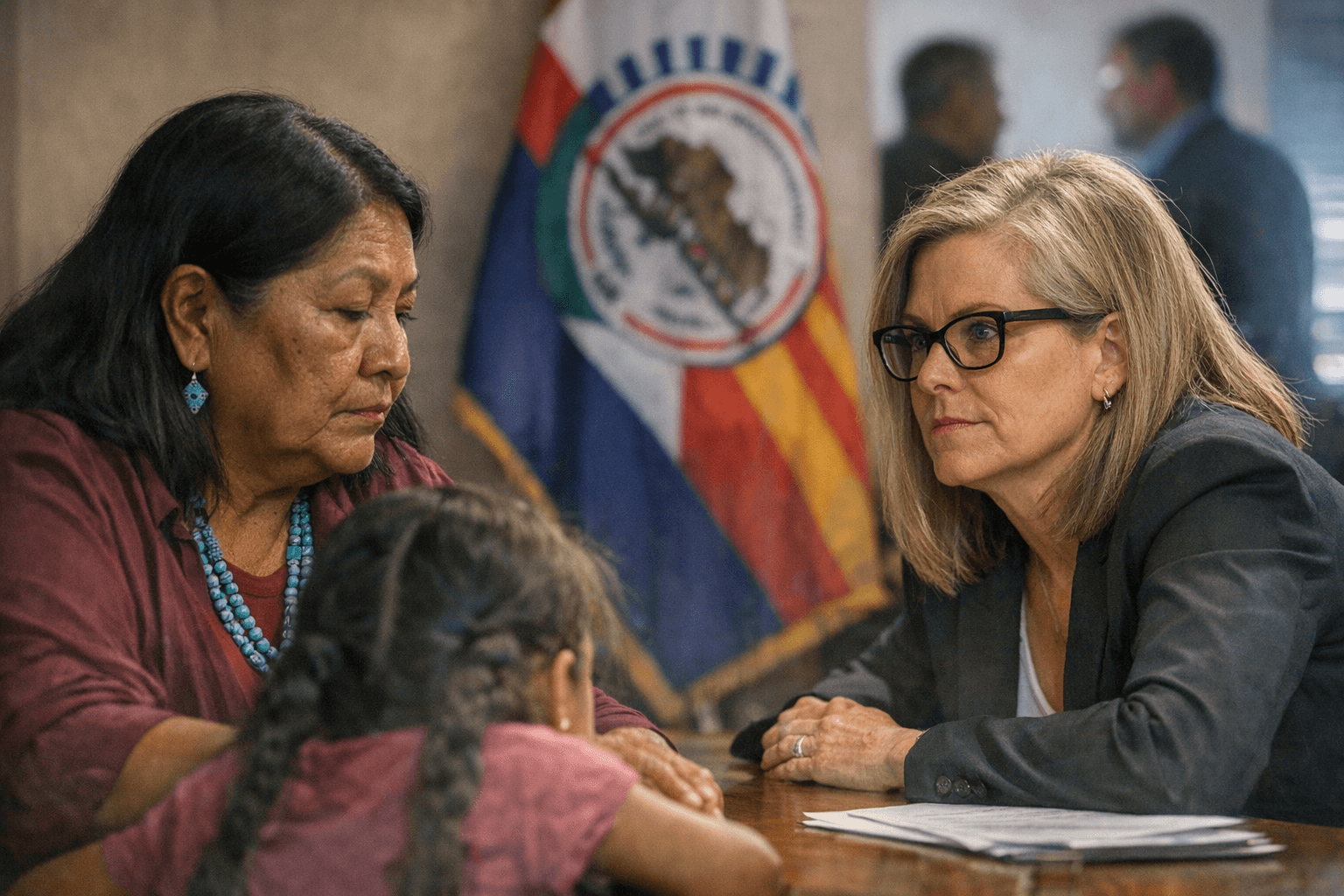
The murder of Emily Pike, a 14-year-old San Carlos Apache girl who vanished while in state custody in early 2025, shaped the terms of a new Arizona law signed April 3 by Gov. Katie Hobbs. The legislation requires the Department of Child Safety to pursue formal cooperative agreements with each of the state's 22 federally recognized tribes.
The bipartisan measure stops short of compelling any tribe to sign. But it creates an explicit legal obligation for DCS to initiate outreach and establishes a formal structure for partnership. Under the statute, DCS must designate a specific liaison for each tribe, with that liaison responsible for providing technical assistance, coordinating communications, and sharing best practices, policies, training materials, and operational standards with tribal child welfare authorities.
Four tribes had already established memoranda of understanding with DCS before the law took effect: the Navajo Nation, the Salt River Pima-Maricopa Indian Community, the White Mountain Apache Tribe, and the Pascua Yaqui Tribe. Others, including Fort McDowell, Hopi, and Fort Mojave, were in active negotiations. The law creates urgency around the remaining tribal governments that had no standing arrangement with DCS.
Pike's case surfaced repeatedly during legislative debate. Advocates argued that without formalized communication channels and culturally aware practices, Indigenous children in state care remained vulnerable. The legislation is designed to address that structural gap by institutionalizing coordination rather than leaving it to individual caseworkers or informal relationships.
Tribal leaders framed the law as a necessary step while noting that agreements on paper must be matched by actual resources. Whether DCS allocates sufficient staff to fill the new liaison roles, and whether MOUs translate into real changes in jurisdictional coordination, confidentiality handling, and day-to-day casework, will determine the law's practical impact.
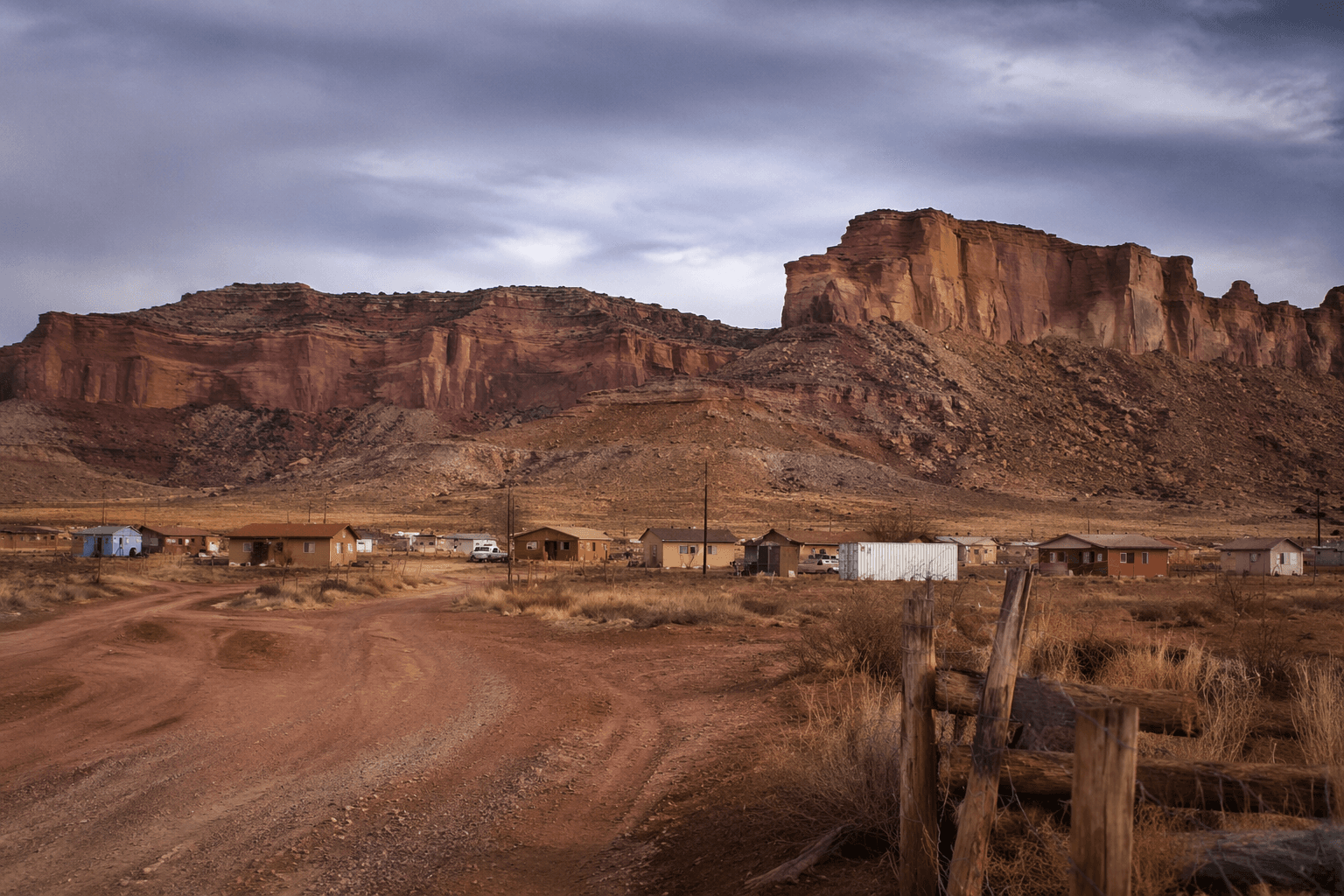
For Apache County, where Navajo Nation communities span much of the county's land base and the White Mountain Apache Tribe holds jurisdiction across the Fort Apache Reservation, the law's rollout will test whether state-tribal relationships on child welfare can withstand the demands of implementation.
This article was produced by Prism’s automated news system from verified source data, official records, and press releases, then run through automated quality and moderation checks before publishing. The system is built and supervised by the people who set the standards it runs under. Read our full AI policy.
Did this article answer your question?