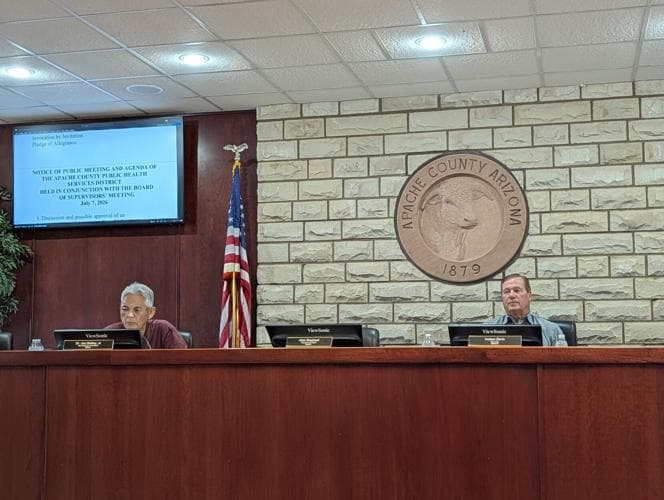
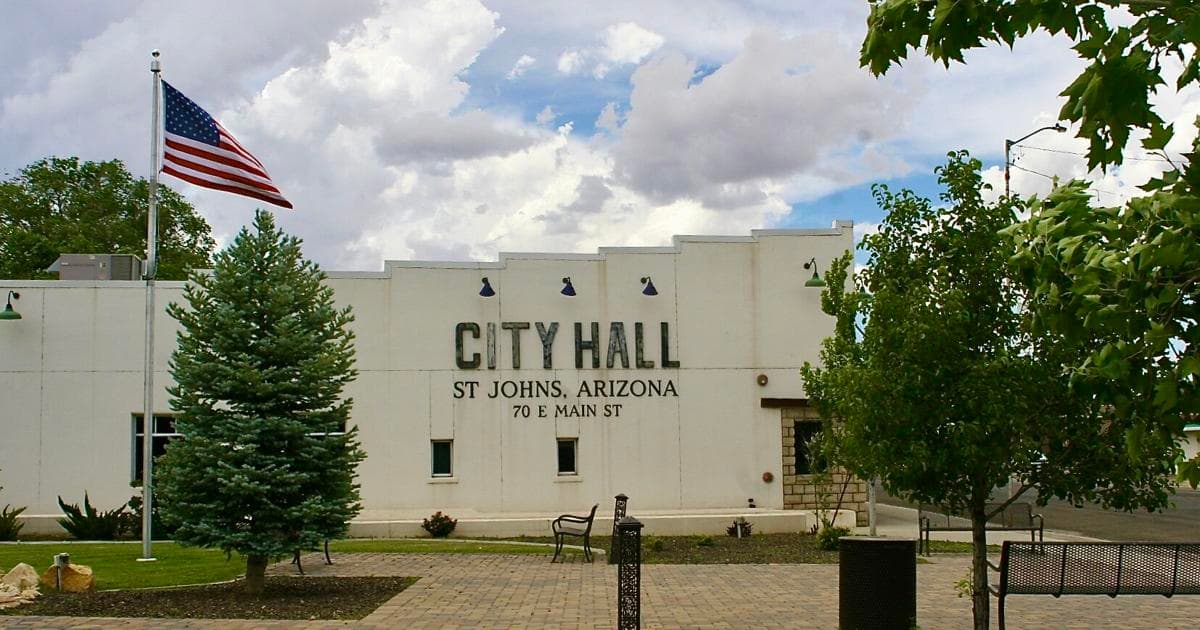
Hourihan visits Apache County, highlights rural priorities and Lava Run
Hourihan’s Apache County stop put Lava Run’s 500-megawatt wind plan, 450-megawatt solar plan and rural road worries in the same frame.
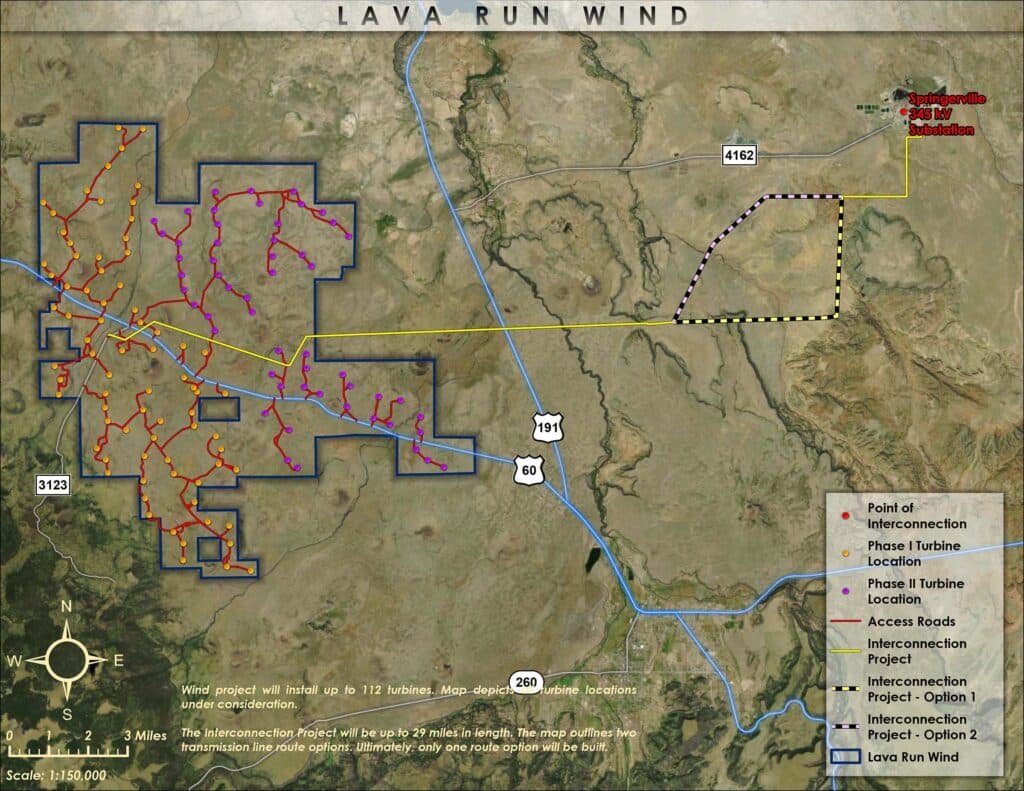
Hourihan’s Apache County stop put the proposed Lava Run buildout and the county’s road problems in the same frame. Repsol Renewables says it is developing a 500-megawatt wind project and a 450-megawatt solar project in Apache County, linked by an interconnection line meant to tie both projects into Tucson Electric Power Company’s existing Springerville-area transmission infrastructure.
A September 11, 2025 notice of hearing described the Lava Run Interconnection Project as an up to 29-mile-long, 345-kV aboveground electrical generation-tie transmission line. The project sits inside Arizona’s siting and permitting process as Repsol moves ahead after acquiring ConnectGen in March 2024.
Road access remains a practical issue across Apache County, where the county website notes that in many rural areas, property owners served by private roads and subdivision roads are responsible for repairs. That reality keeps transportation near the center of local conversations in places such as St. Johns, Eagar, Springerville and Chinle, where long distances and limited services make road conditions part of everyday life.
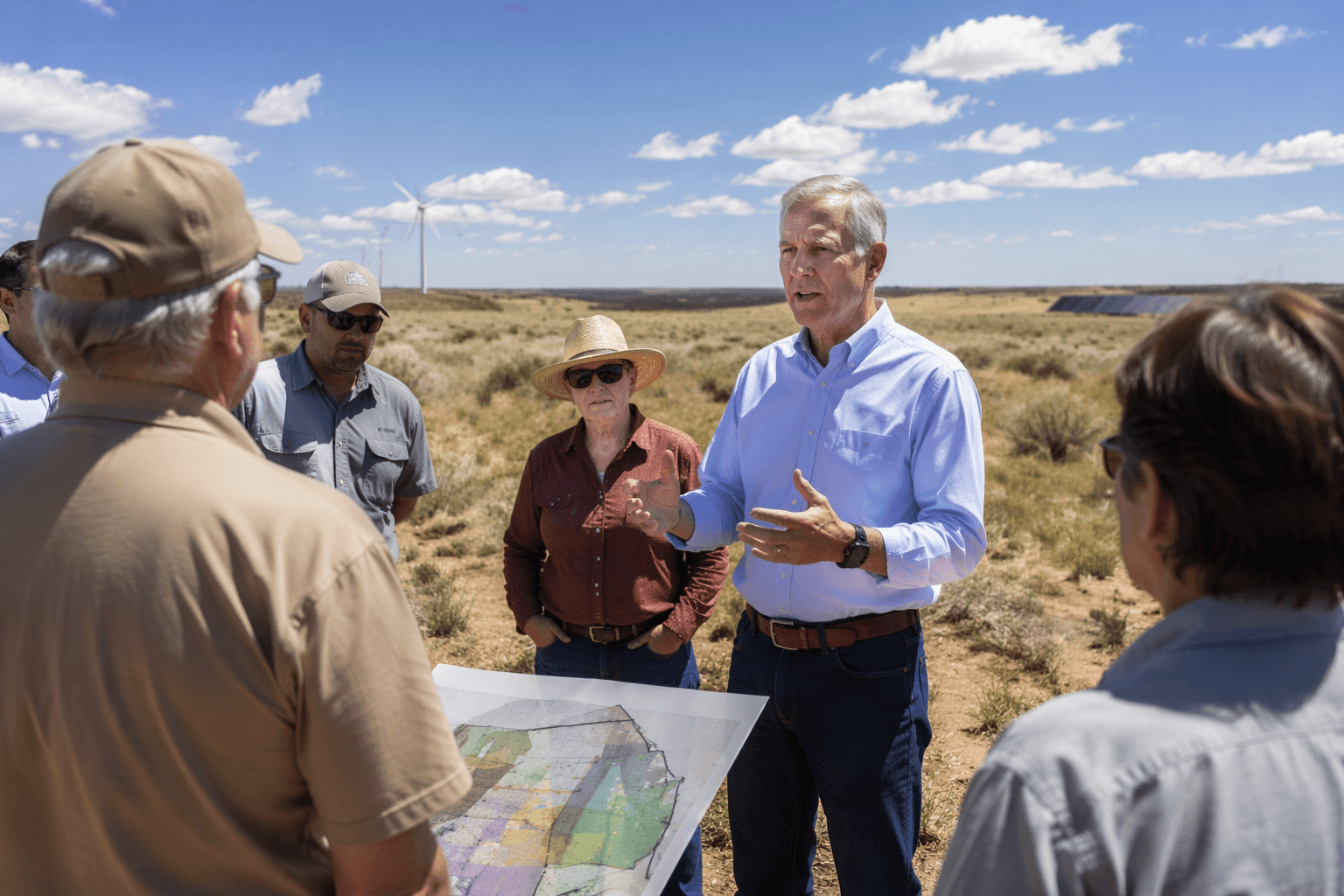
The Lava Run projects have also drawn organized opposition. A petition titled Stop the Lava Run and Black Ridge Projects in Apache County has gathered supporters, and a Stop Lava Run rally drew more than 100 residents. Opponents have pointed to water use, visual impacts, wildlife risk and limited local benefit as their main concerns.
Those criticisms have made Lava Run more than a technical energy proposal. For Apache County leaders, the issue now sits at the intersection of land use, infrastructure and rural services, with residents watching whether outside officials are hearing the same concerns in person that they raise in meetings and public comment. As the permitting process continues, the county’s priorities remain concrete: roads that can carry the load, projects that fit the landscape and benefits that reach the communities living closest to the change.
This article was produced by Prism’s automated news system from verified source data, official records, and press releases, then run through automated quality and moderation checks before publishing. The system is built and supervised by the people who set the standards it runs under. Read our full AI policy.
Did this article answer your question?