Myron Lizer launches Navajo Nation presidential bid on jobs, energy
Myron Lizer’s presidential bid puts jobs, energy and Navajo Nation independence at the center of a 16-candidate race that could shape power costs and development on tribal land.
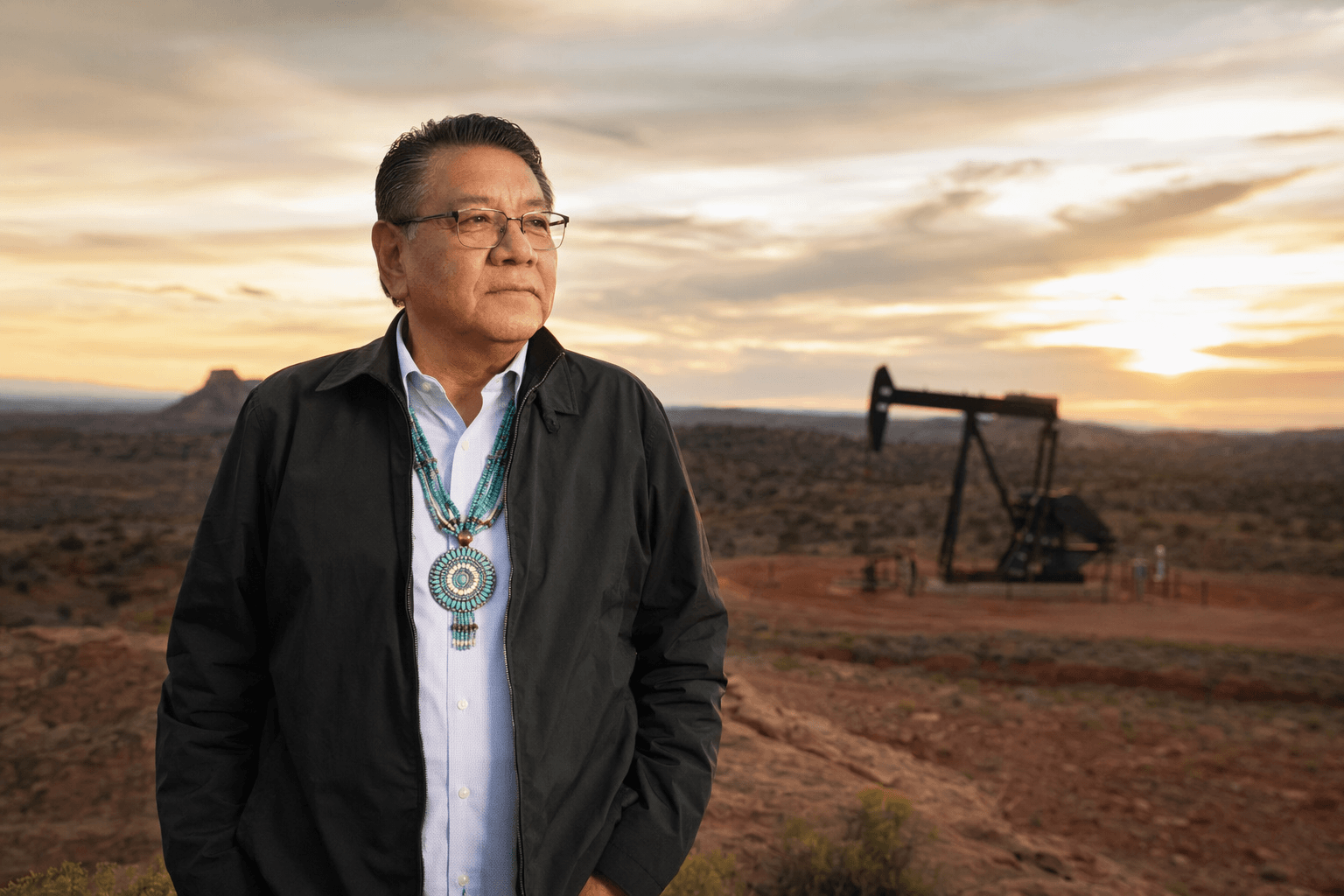
Apache County voters tied to Chinle and nearby chapters are heading into a Navajo Nation presidential race where jobs, energy and infrastructure could determine whether tribal government delivers more work and lower costs on the ground. Myron Lizer, the former Navajo Nation vice president, entered the contest on May 12, and the field already includes 16 candidates certified for the office.
Lizer is running for president on a message he calls “economic sovereignty.” He says the Navajo Nation needs to create jobs, build infrastructure and replace declining federal support, a pitch that puts him squarely in the debate over how the tribe pays for growth and how much it can rely on outside funding. Incumbent President Buu Nygren is also seeking reelection, making the 2026 race a direct test of whether voters want to stay with the current administration or shift toward a campaign built around development and self-reliance.
The Navajo Election Administration certified qualified candidates on April 24 after 16 people filed by the April 22 deadline. The primary election is scheduled for July 21, 2026, with the general election set for Nov. 3. That timeline gives voters only a few months to weigh which candidates can turn campaign promises into practical change across a government that stretches from Window Rock to communities in Apache County.
That question carries real weight in Chinle. The community sits in Apache County in the northeast corner of Arizona, inside the Navajo Nation, and serves about 5,000 residents while providing services for more than 8,000 surrounding residents. Chinle Chapter had a population of 7,567 in the 2020 Census, and the Chinle Agency covers 14 chapters, 1,363,423 acres and 1,461 grazing permittees. Any serious jobs-and-energy agenda would have to work through that landscape of large distances, limited infrastructure and layered tribal administration.
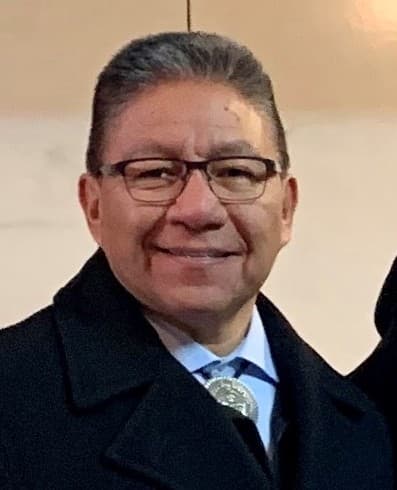
The economic backdrop is stark. A 2024 Navajo Nation economic report said unemployment stood at 39.9 percent, leaving about 32,000 Navajo job seekers without work. The same report said per capita income was $10,510, about one-quarter of the U.S. average. Against those numbers, Lizer’s promise to build jobs and infrastructure is not just a campaign slogan; it is a claim that Navajo institutions can do more than manage scarcity.
For voters, the practical test is whether Lizer’s record as vice president suggests he can execute at the scale these numbers demand. His campaign will be judged not only against Nygren and the rest of the field, but against a basic expectation in Chinle, Apache County and across the Nation: whether another presidency can deliver power, work and development where they are most needed.
This article was produced by Prism’s automated news system from verified source data, official records, and press releases, then run through automated quality and moderation checks before publishing. The system is built and supervised by the people who set the standards it runs under. Read our full AI policy.
Did this article answer your question?