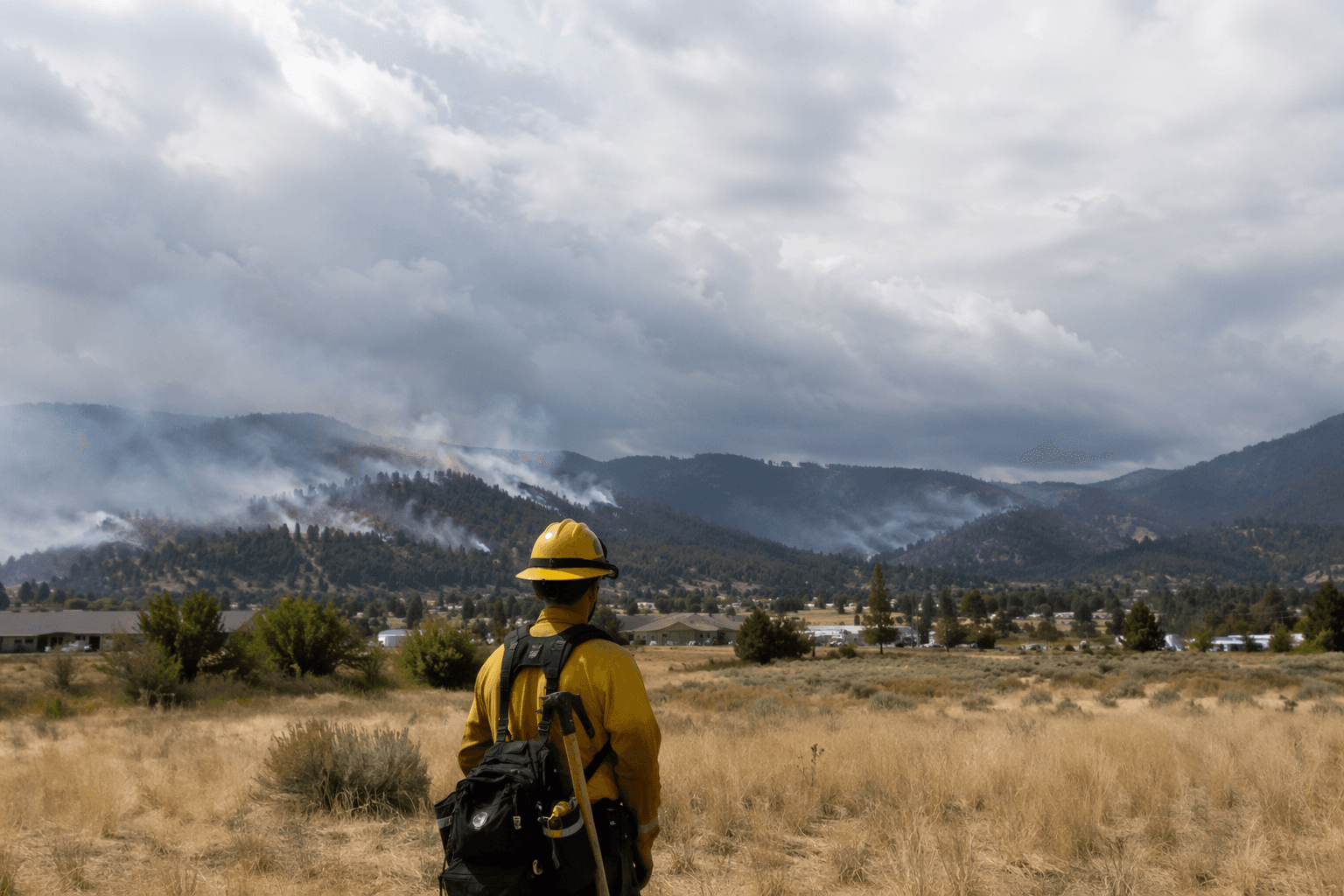
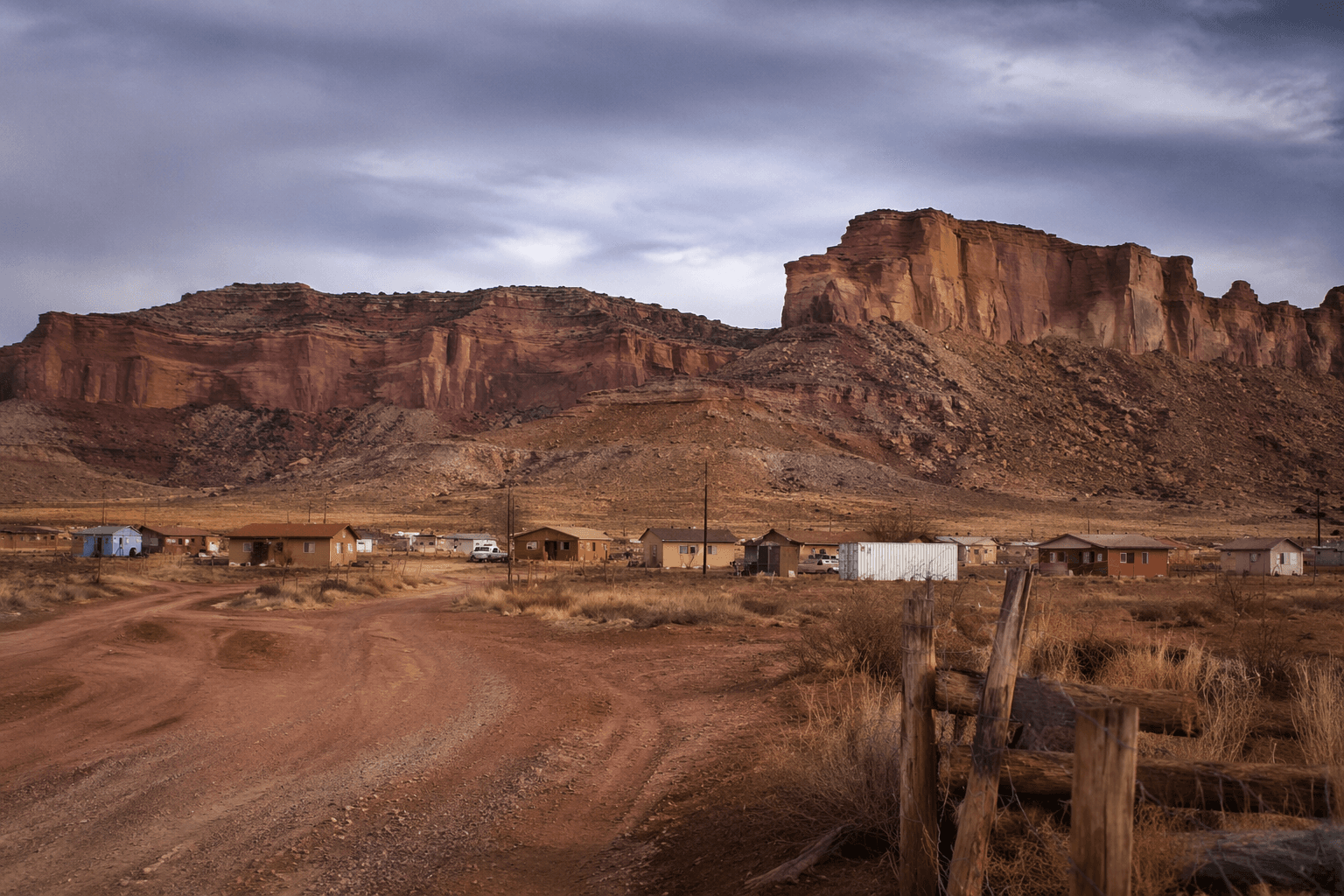
Navajo citizens protest pumped-storage hydropower plans at Window Rock council meeting
Outside the Navajo Nation Council Chamber in Window Rock, Harrison Craig and Black Mesa residents pressed leaders to stop pumped-storage plans. The fight centered on water, land and who gets to decide.
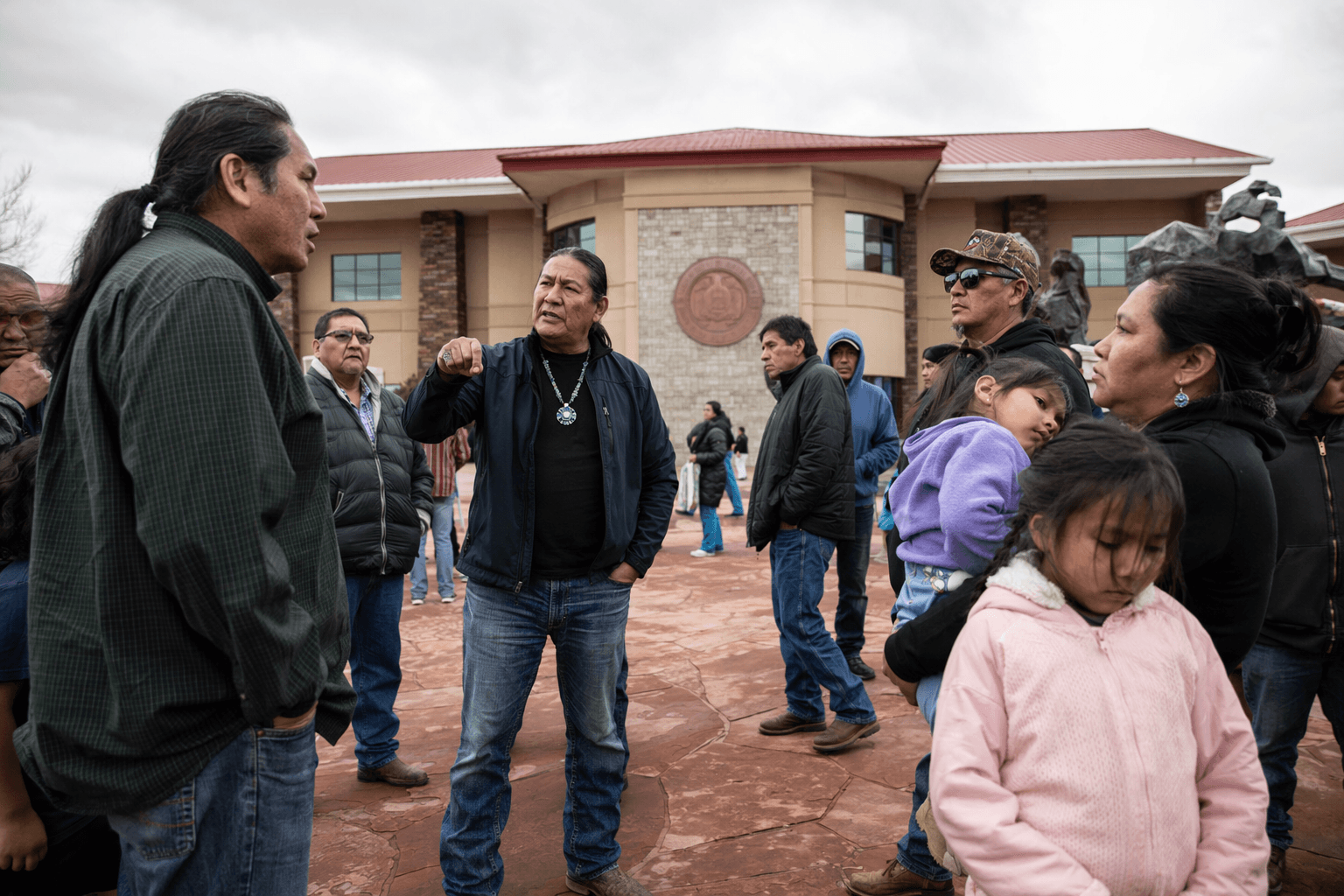
Outside the Navajo Nation Council Chamber in Window Rock, Harrison Craig of Black Mesa stood with other Navajo citizens on April 21 and turned a protest into a direct challenge to tribal decision-makers. Their message was aimed at the Council itself, before any energy approvals hardened into fact, and the focus was the proposed pumped-storage hydropower projects tied to Black Mesa.
Pumped-storage hydropower works by moving water between upper and lower reservoirs at different elevations. When electricity demand is low, water is pumped uphill; when demand rises, it is released to generate power. That basic design is why Black Mesa residents have framed the project as a water and land issue, not just an energy proposal.
The opposition has centered on three projects, Black Mesa North, East and South, that critics say would bring major disruption to the northeastern edge of Black Mesa. Tó Nizhóní Ání said 18 Navajo chapters opposed the plans and warned that the projects would include eight new reservoirs across 38,000 acres. Opponents have also said the area is habitat for protected species including the Mexican spotted owl and golden eagles, adding wildlife protection to the list of local concerns.
Water remains the sharpest point of dispute. In 2024, Cronkite News reported that opponents said the project could require 450,000 acre-feet of water, while developer Denis Payre said it would use about 3,000 acre-feet if built. That gap has kept the debate alive in Navajo communities where water is already a scarce and politically sensitive resource, especially in places such as Black Mesa, Kayenta and Chilchinbito.
The federal permitting trail has already moved through FERC, where records show Nature and People First Arizona PHS, LLC filed preliminary permit applications for Black Mesa Pumped Storage Project North under docket P-15233. FERC later said preliminary permits for several pumped-hydropower projects on Navajo Nation land were denied in February 2024. That history helps explain why residents are now pressing the Council in person: they want leverage while the decision is still open.
The protest also comes as the Navajo Nation continues to plan around water. In May 2024, the Nation announced an Arizona water-rights settlement that includes the Black Mesa Regional Groundwater Project and the Kayenta Aquifer Storage and Recovery Project. For Apache County families watching what happens on Navajo land, the Black Mesa fight is about more than power generation. It is about who controls water, who bears the impact and whether development moves forward with community consent.
This article was produced by Prism’s automated news system from verified source data, official records, and press releases, then run through automated quality and moderation checks before publishing. The system is built and supervised by the people who set the standards it runs under. Read our full AI policy.
Did this article answer your question?