Navajo Nation approves conditional natural gas pipeline route through Arizona, New Mexico
A 234-mile pipeline won a conditional green light on Navajo land, with $400,000 a year promised to 13 chapters along the route.
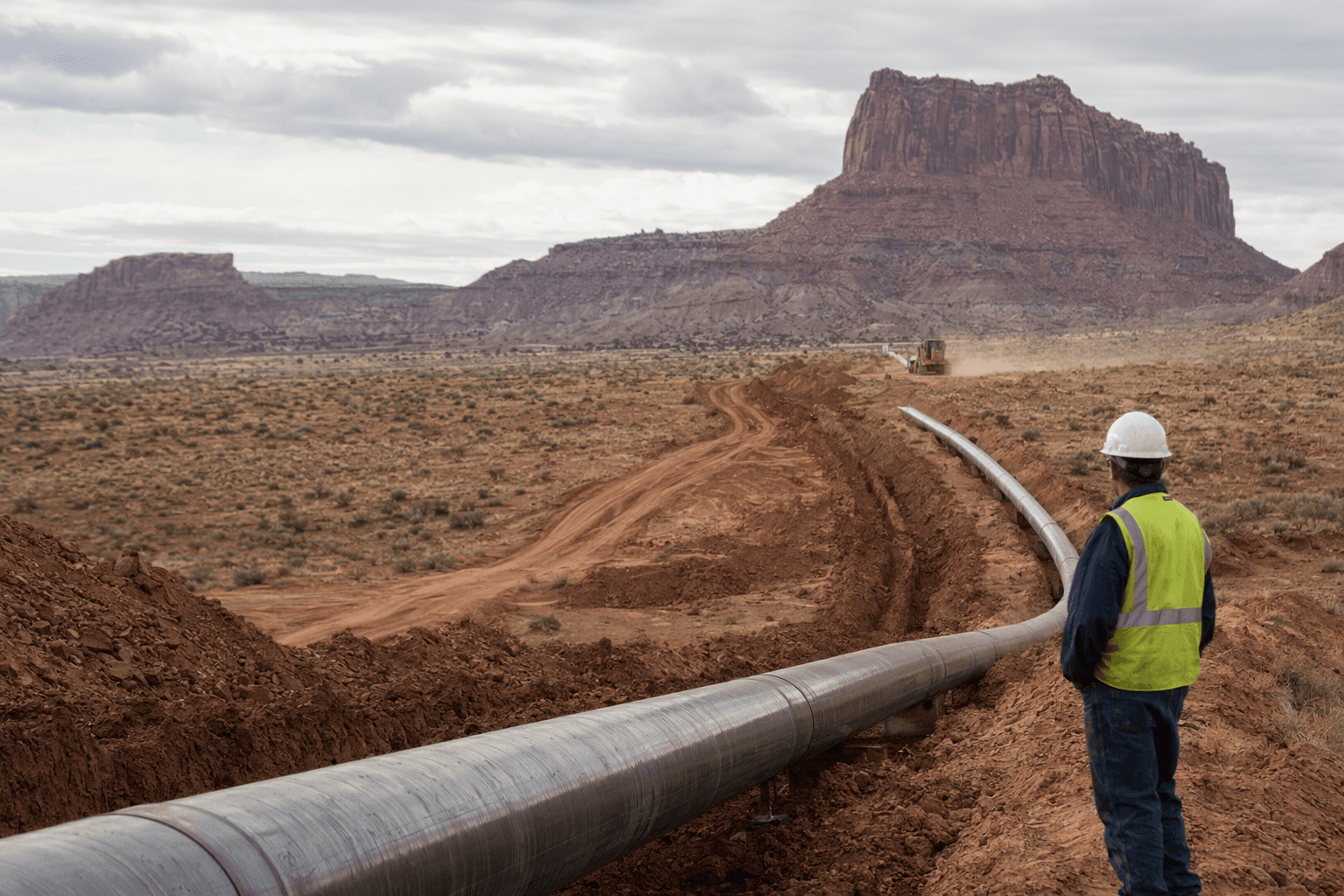
A proposed 234-mile natural gas pipeline crossing the Navajo Nation cleared its first major hurdle, putting a major energy project on track through tribal land in Arizona and New Mexico and into the broader northern Arizona corridor that includes Apache County.
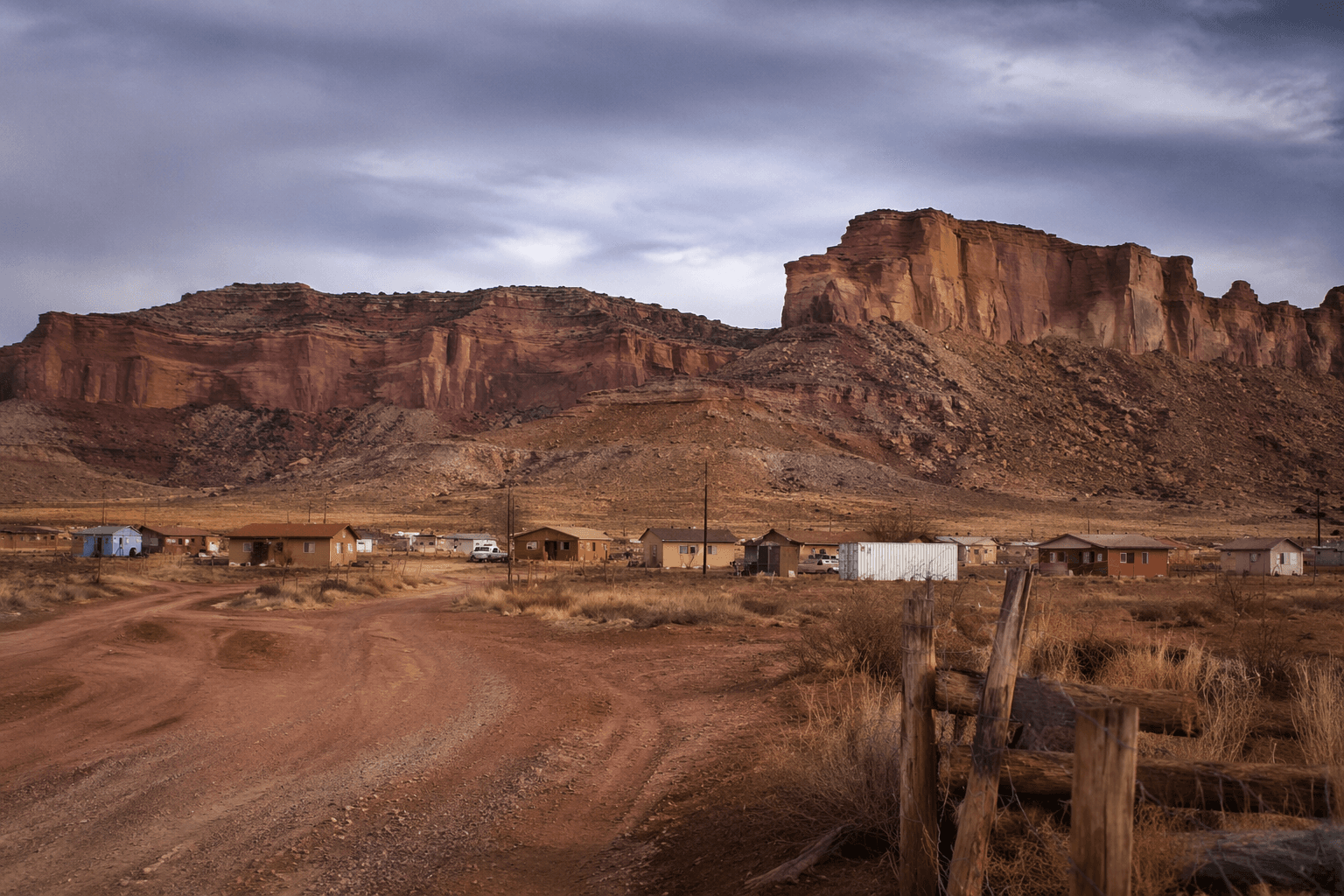
The Navajo Nation Resources and Development Committee approved the right-of-way on March 30, 2026, by a 3-1 vote, with one member absent and committee chair Brenda Jesus abstaining. The measure, Legislation No. 0053-26, had been posted March 13, and a legislative summary sheet dated March 10 described it as a contingent right-of-way for an underground pipeline on Navajo Nation trust lands in Arizona and New Mexico. The route would run from near Farmington, New Mexico, to a point roughly 40 miles north of Flagstaff, cutting through 13 Navajo chapter communities.
The approval was conditional, not final. The committee’s authorization required environmental studies, archaeological clearances, compliance with Navajo Nation right-of-way requirements, and a Community Benefit Agreement with the affected chapters. The project is also headed into a multi-year, multi-agency federal review process that will bring more studies, consultation, and additional chances for community input before any ground is disturbed.
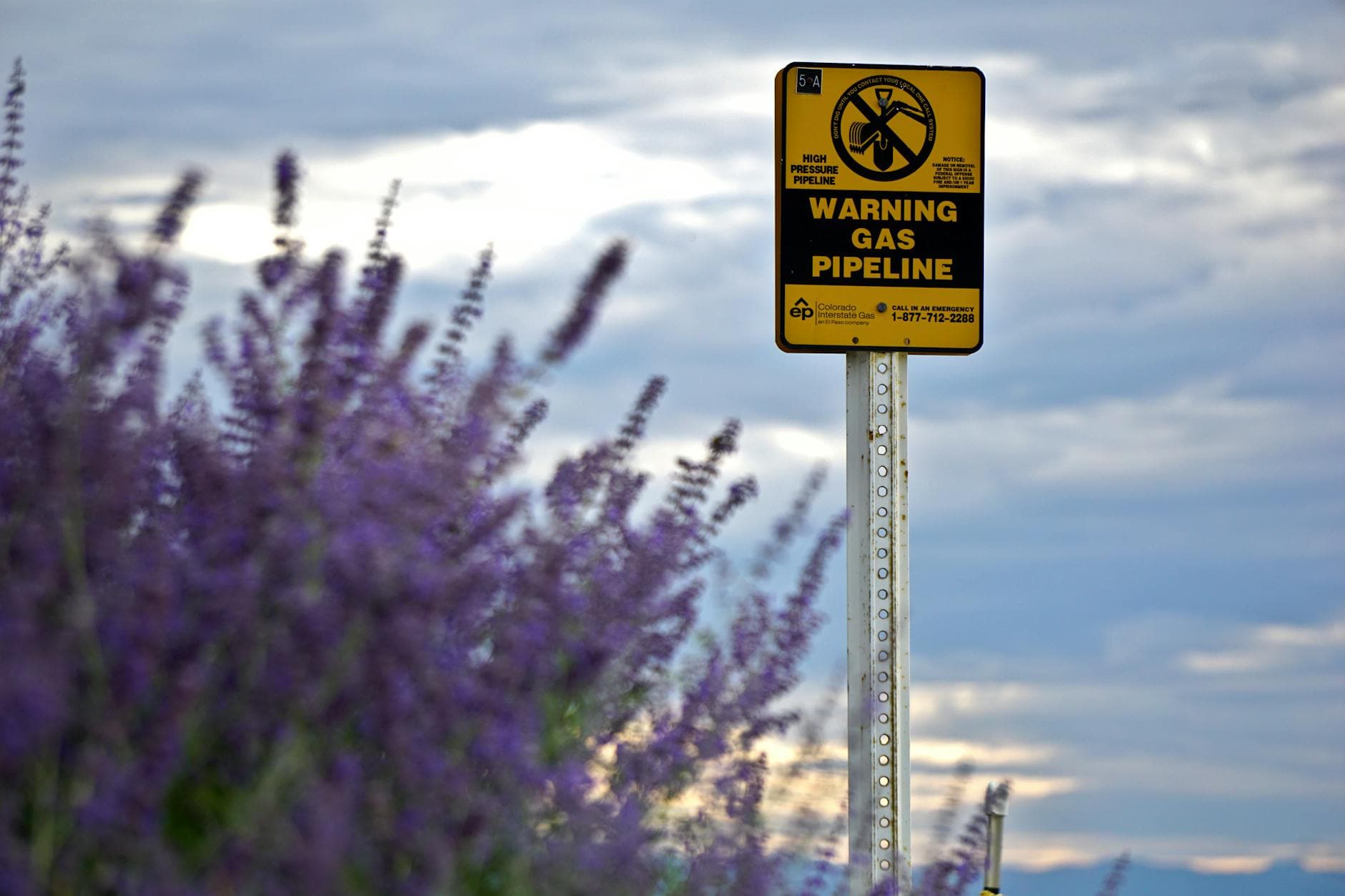
Money was at the center of the debate. Tallgrass Energy, through GreenView Resources and GreenView Logistics, LLC, agreed to provide about $400,000 in annual grants to the 13 chapters along the route, or roughly $30,000 per chapter each year. Supporters argued that tribes often lack the capital and equity needed to build projects at this scale on their own and said the Nation needs new revenue to support community needs. Brenda Jesus said she respected the process and stressed transparency, environmental stewardship, and genuine benefit to the people.
Opposition centered on the company’s change in fuel plans and concerns over consultation. The pipeline was originally promoted as a hydrogen project, but later plans shifted to natural gas or a natural gas-hydrogen blend. In May 2025, Bidtah Becker, chief legal counsel for the Navajo Nation president’s office, said the shift had happened before the office was informed. Tó Nizhóní Ání said the developers had not adequately consulted affected communities and questioned whether the project was being changed to natural gas or liquefied natural gas.
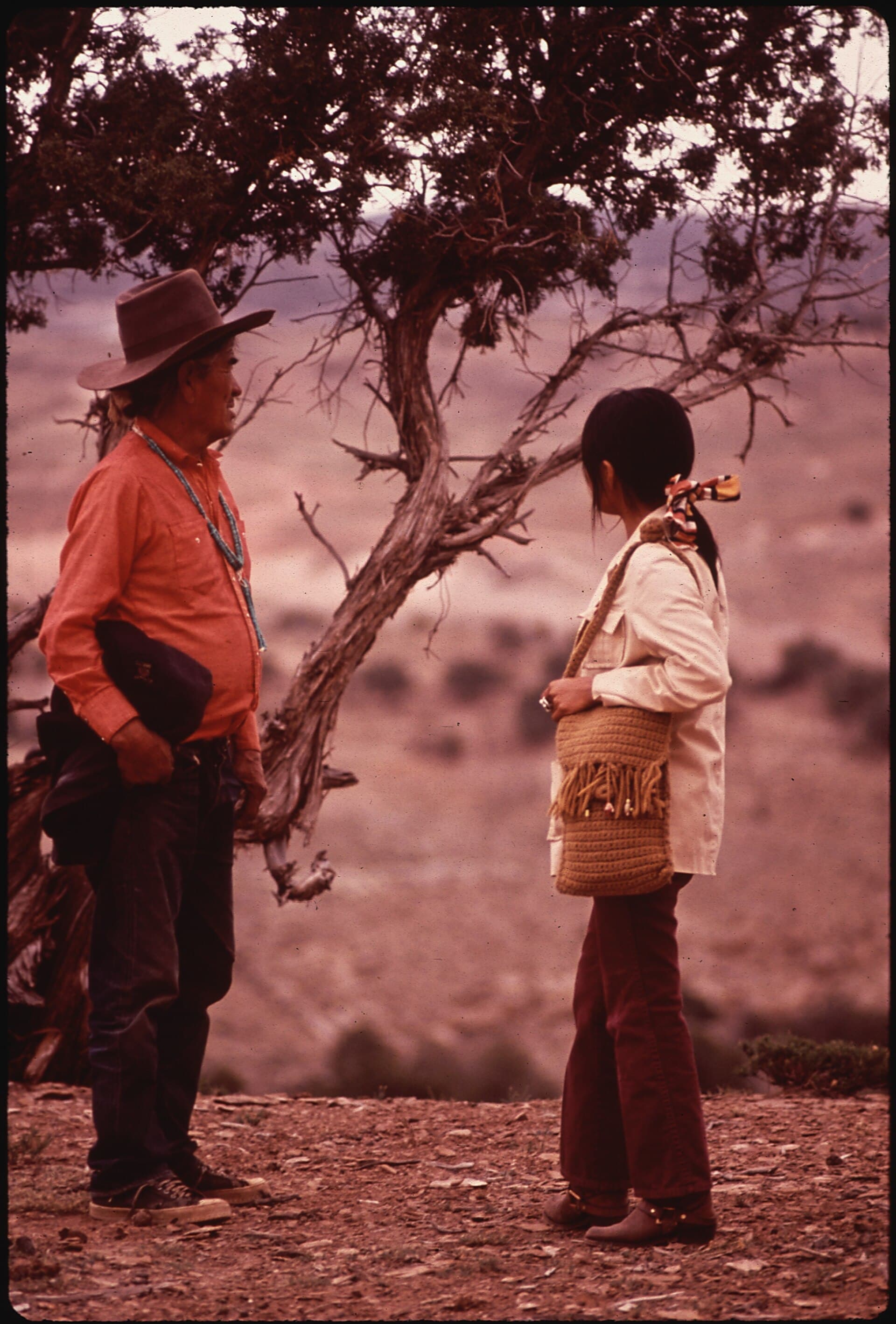
For Apache County, the decision matters well beyond the committee room. The line’s path near Flagstaff and across Navajo communities ties the project to land-use, water, environmental, and sovereignty questions that will continue to shape the Navajo Nation’s relationship with large-scale energy development.
This article was produced by Prism’s automated news system from verified source data, official records, and press releases, then run through automated quality and moderation checks before publishing. The system is built and supervised by the people who set the standards it runs under. Read our full AI policy.
Did this article answer your question?