Navajo Nation candidates clash over water, housing at Tsaile forum
At Diné College, candidates split over using Navajo Nation investments as students pressed them on housing, water and jobs tied to life in Tsaile.
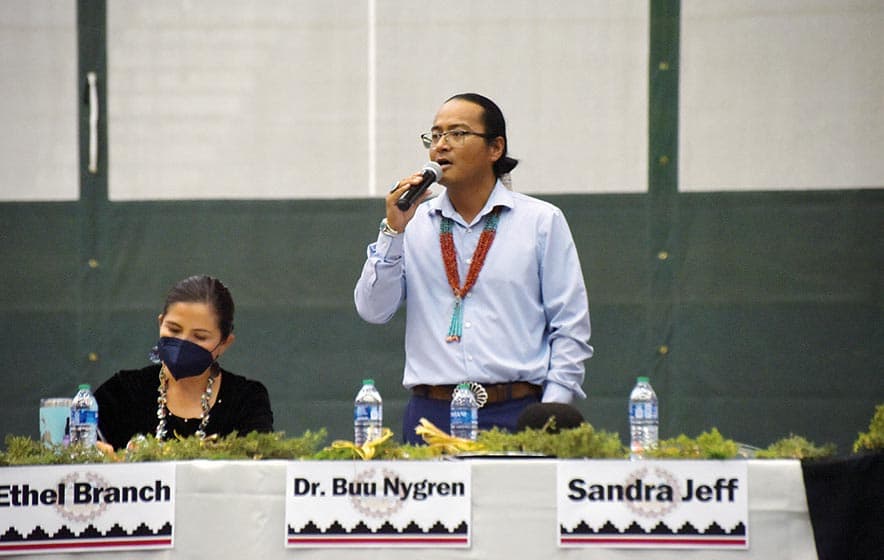
At Diné College in Tsaile, candidates for Navajo Nation president faced student questions about housing, water and jobs while disagreeing over whether the Nation’s roughly $10 billion in investments should be put to work on the reservation.
The Tsaile stop was one of three June forums on investments, housing, natural resources and water. The other two were held June 18 in Shiprock at the Phil L. Thomas Performing Arts Center and June 19 in Farmington, where the Northern Agency Veterans Organization hosted the event. In all, 16 candidates filed for the presidency, including incumbent Buu Nygren, and the primary is set for July 21, with the top two advancing to the general election.
The Tsaile forum ran from 6 to 9 p.m. MDT at the Diné College Gymnasium and was open to the public. Students organized the event and asked questions about education, future jobs and basic services. Diné College serves the 27,000-square-mile Navajo Nation and was established in 1968 as the first tribally controlled community college in the United States.
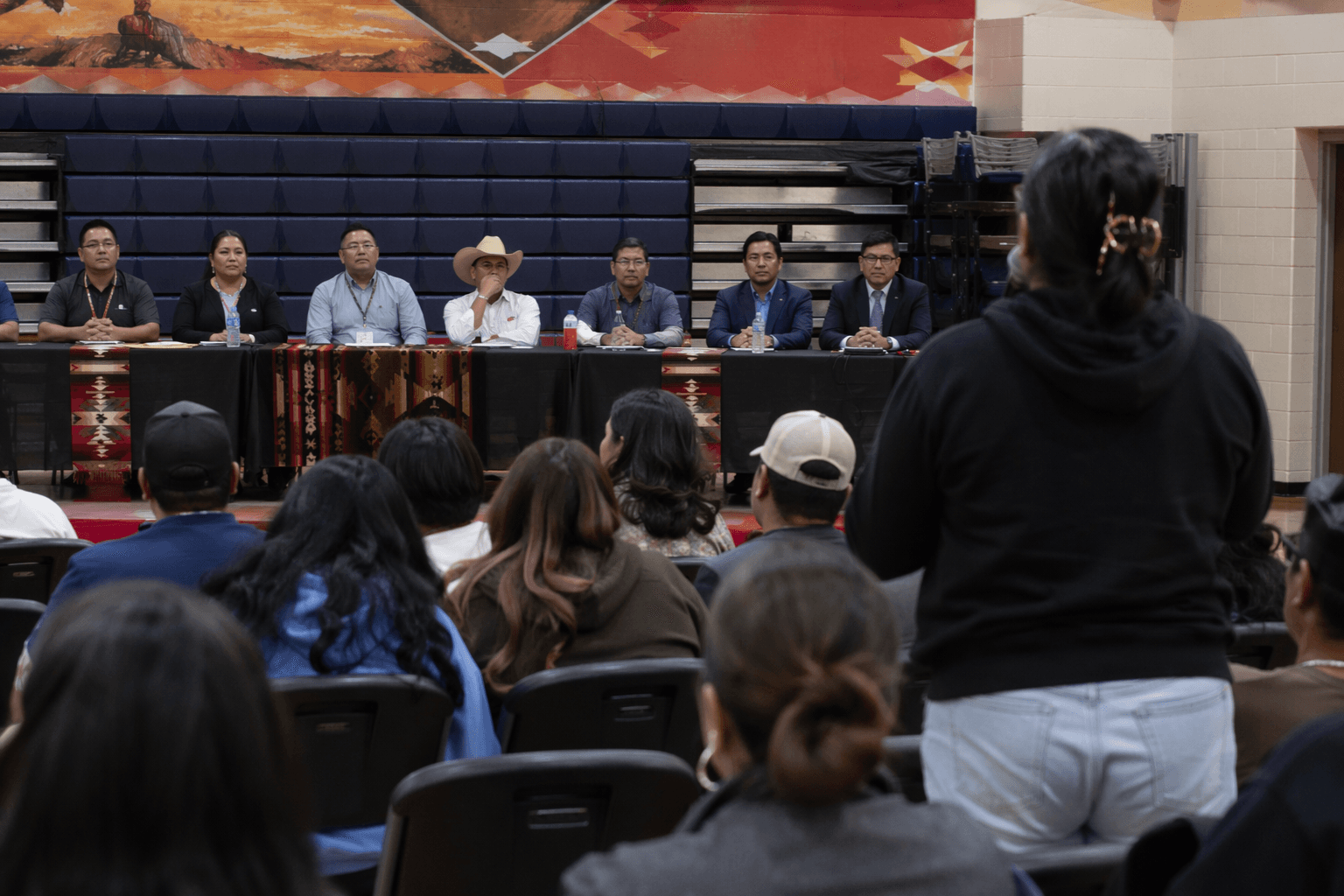
Candidates split over the Nation’s investments. Former Delegate Tom T. Chee argued in Shiprock that the money should be used for public safety. Nygren said about a quarter of the investments should be put to work on the Navajo Nation to help build a real economy. Debbie Nez-Manuel opposed giving the current administration access to the investments, tying the question to concerns about the court system and governance.
More than $5.6 million in remaining ARPA fiscal recovery funds are identified for an expanded 2026 hardship assistance program, while stalled housing work and zero completed units remain part of the housing picture. The ZenniHome factory in LeChee closed in 2025, affecting more than 200 workers and disrupting housing plans.
This article was produced by Prism’s automated news system from verified source data, official records, and press releases, then run through automated quality and moderation checks before publishing. The system is built and supervised by the people who set the standards it runs under. Read our full AI policy.
Did this article answer your question?