Navajo Nation Council Faces Veto Override, $90 Million Spending Decisions
A veto override and nearly $90 million in spending choices put Buu Nygren’s authority and major road and elder-care projects on the line in Window Rock.
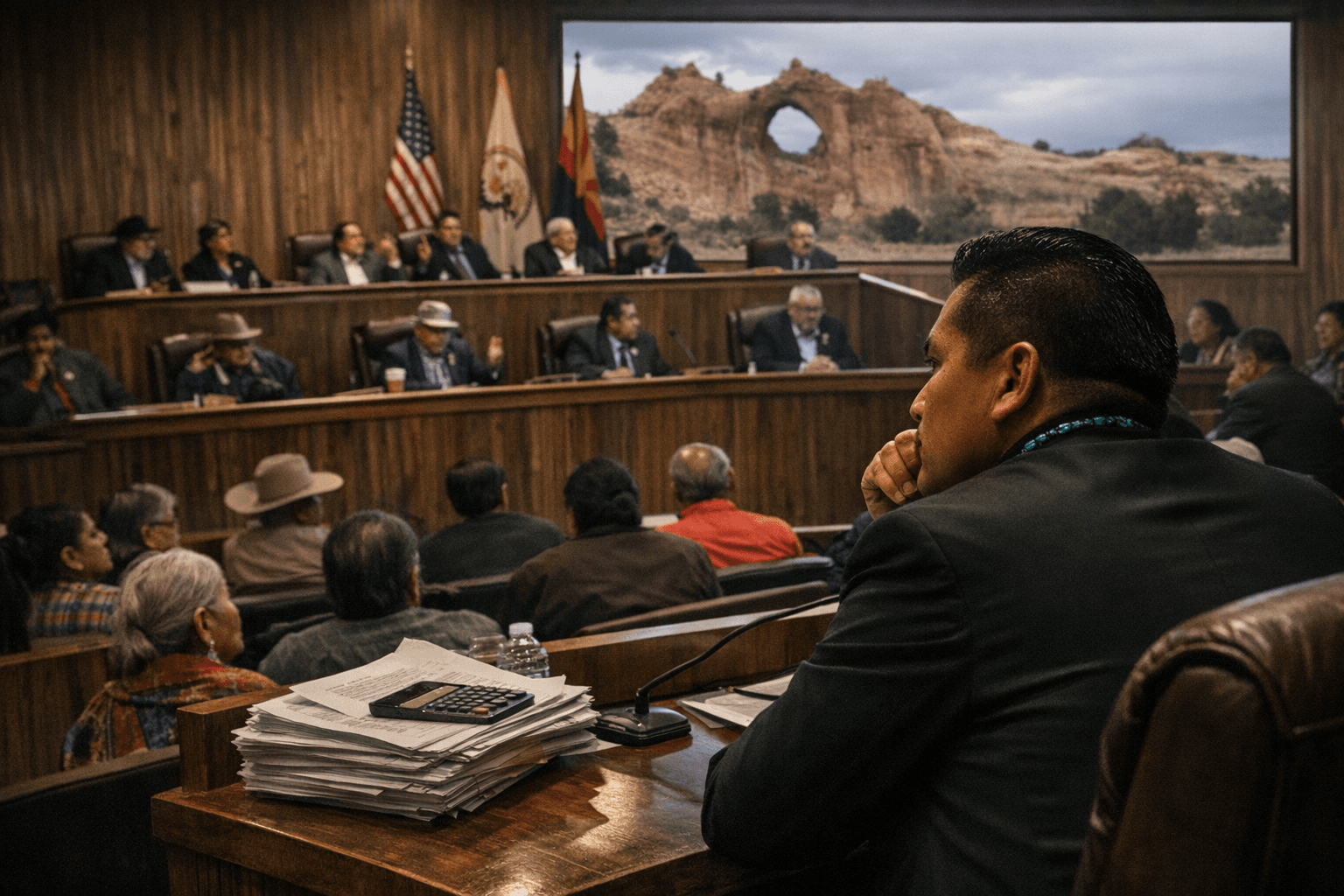
A veto override and nearly $90 million in spending decisions put the 25th Navajo Nation Council at the center of a power struggle in Window Rock, where lawmakers weighed whether to reclaim authority from President Buu Nygren while steering money toward transportation and elder services.
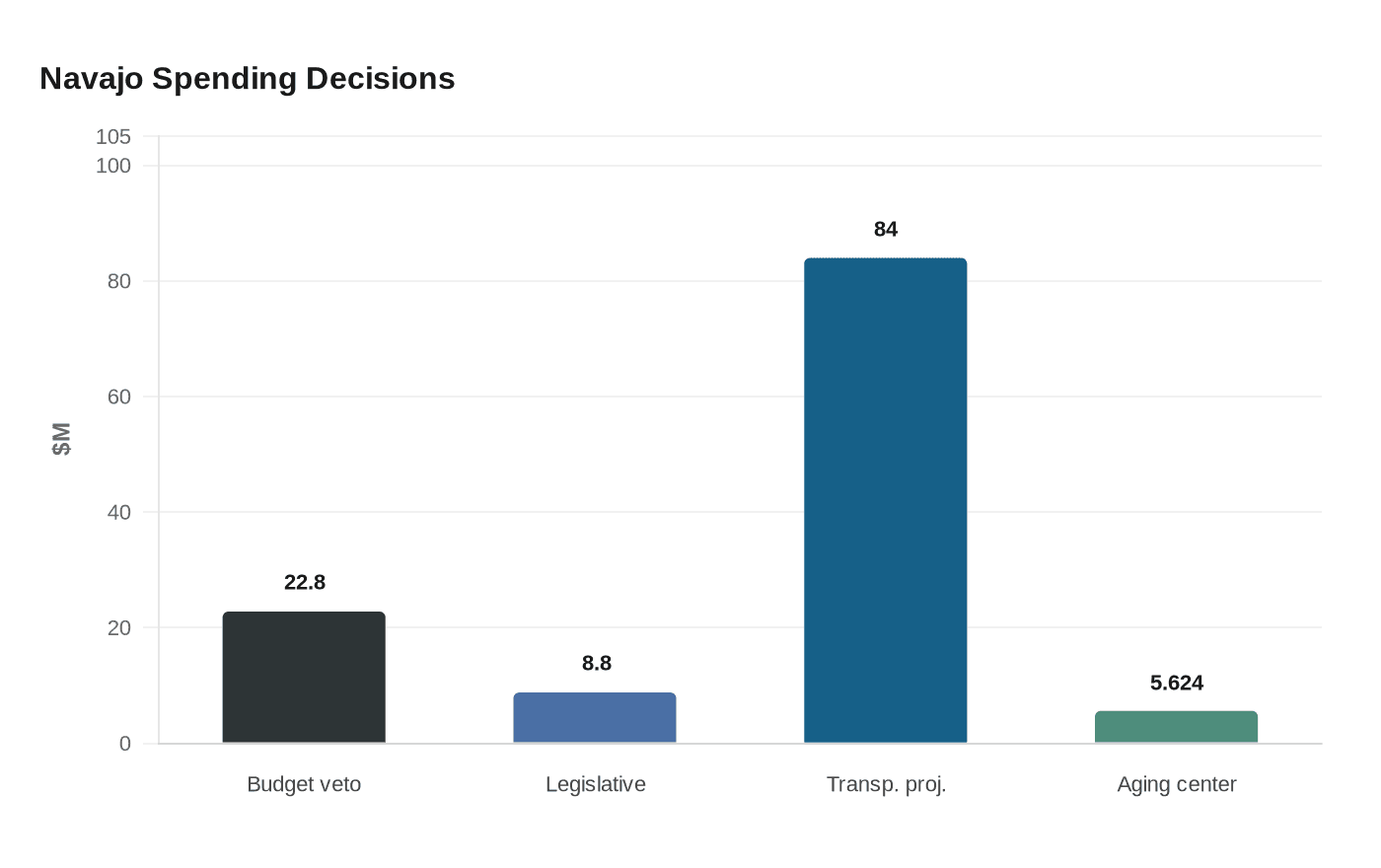
The most consequential item was Legislation 0069-26, which would override Nygren’s veto of CMA-16-26. It marked the fourth veto override the 25th Council had taken up in 2026, underscoring how often the legislative and executive branches have collided over control of tribal priorities and spending. Nygren’s September line-item veto, which struck about $22.8 million from the fiscal 2026 comprehensive budget, including roughly $8.8 million from the Legislative Branch, remained tied up in Navajo Nation District Court, adding another layer of institutional tension to the session.
Money was at the heart of the fight. Legislation 0012-26 would move $84 million from the Sihasin Fund for the Navajo Nation Transportation Improvement Project, a package with direct stakes for roads and mobility across communities that depend on tribal infrastructure getting built and repaired. Another measure, Legislation 0245-25, would set aside $5.624 million for the Division of Aging and Long-Term Care Support to build out the Ramah Navajo Senior Citizens Center. Together, the two bills would move nearly $90 million in a single week, making the session one of the most consequential funding moments of the spring.
The agenda also showed how broad the council’s reach had become. President Nygren’s State of the Navajo Nation address was on the schedule, followed by a question-and-answer session that could last for hours. That alone signaled that the chamber was not just handling routine business but was preparing for public scrutiny over spending, vetoes and executive-legislative power.
Council members were also set to hear reports from Chief Justice, Speaker Crystalyne Curley, Controller Sean McCabe, the Bureau of Indian Affairs, the Bureau of Indian Education, Indian Health Service, standing committees, boards and commissions, the Department of Justice, and the Association of Indians for Self-Determination in Healthcare. With transportation, aging services, education and healthcare all on the table, the session became a test of who inside Navajo Nation government would control the money and set the agenda for the communities waiting on it.
This article was produced by Prism’s automated news system from verified source data, official records, and press releases, then run through automated quality and moderation checks before publishing. The system is built and supervised by the people who set the standards it runs under. Read our full AI policy.
Did this article answer your question?