Navajo Nation still lacks medical examiner for missing, murdered cases
Families in Chinle and Window Rock kept waiting as the Navajo Nation still outsourced a medical examiner for MMIP cases, slowing answers in Apache County.
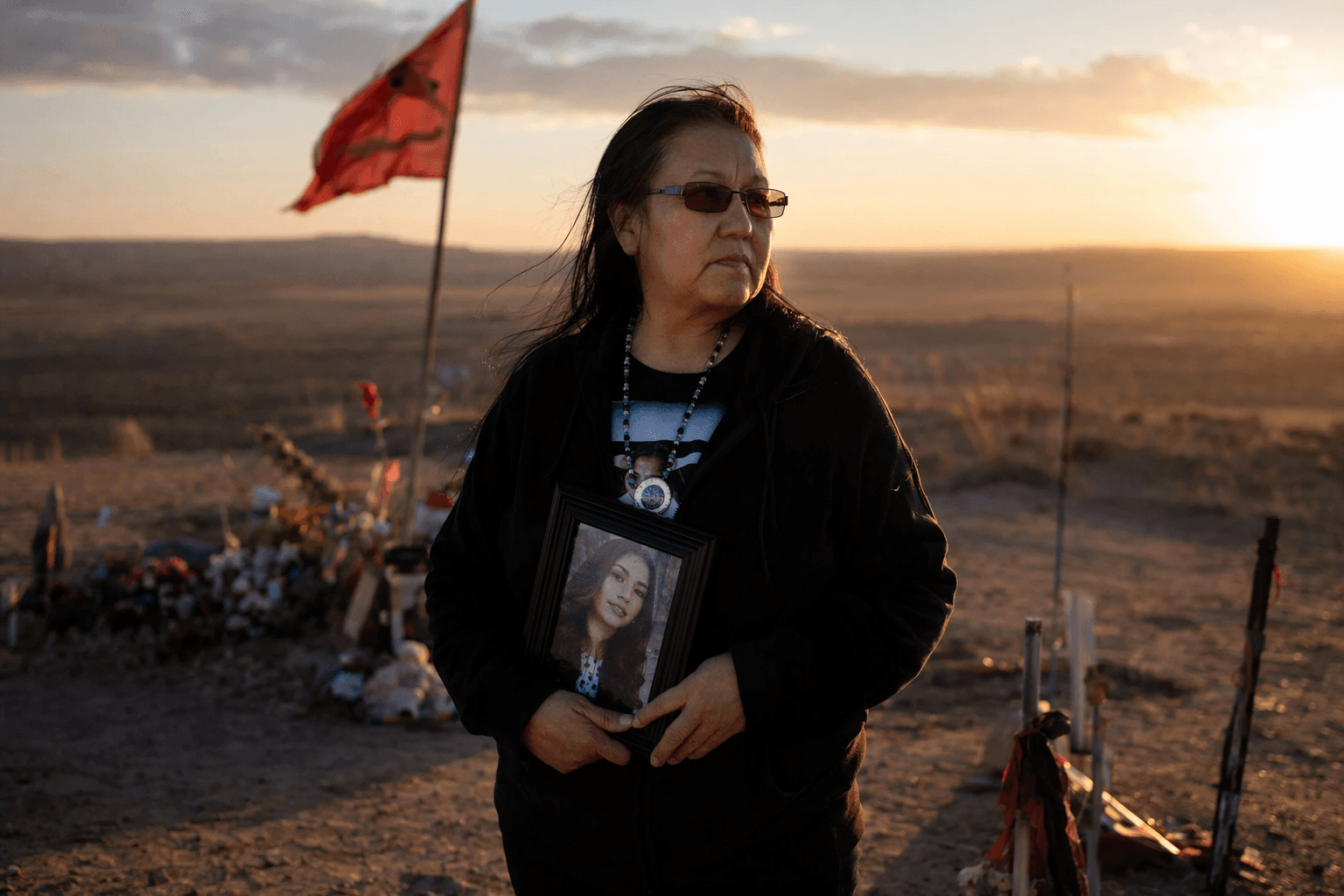
The Navajo Nation still does not have a dedicated medical examiner for missing and murdered Indigenous people cases, a gap that is slowing investigations and extending the wait for families across Apache County and the eastern reservation.
In Apache County communities such as Chinle and areas near Window Rock, that absence has real consequences. Medical examiner findings can determine how quickly a case moves, whether remains are identified correctly, and whether investigators can build a complete account of what happened. Without that in-house capacity, the Navajo Nation has been outsourcing the work while overextended criminal investigators take on pieces of the job themselves.
That bottleneck has been years in the making. In 2017, the Navajo Nation Council unanimously approved legislation to create a medical examiner’s department within the tribe’s Division of Public Safety. By 2024, Navajo Nation officials were still working with Congress to secure funding for the proposed Department of Medical Examiners, even as tribal criminal investigators handled deaths on the reservation while already stretched thin.
The issue sits inside a larger MMIP system that has struggled with staffing, funding and coordination. On March 4, 2025, the Missing and Murdered Diné Relatives Task Force said it was updating the Tribal Community Response Plan, improving interagency coordination and advancing a comprehensive MMDR database. In May 2025, the Navajo Nation said it had 68 missing persons. On June 20, 2025, the task force called for urgent action to support the family of Dominique “Molly” Nez.
Budget choices have also undercut the response. In October 2025, Navajo Nation leadership said missing persons services were defunded by $229,000 and the money was redirected to other operations, showing how fragile the response remains even as cases continue. For families trying to track loved ones across the largest reservation in the United States, that kind of shift can mean more waiting, less certainty and fewer resources when time matters most.
A dedicated medical examiner office would not solve every MMIP case, but it would bring critical forensic work closer to home and reduce dependence on outside agencies. For Apache County and the Navajo Nation, that means more than an administrative change. It means a stronger public-safety system, better evidence handling and a faster path to answers for families who have already waited too long.
This article was produced by Prism’s automated news system from verified source data, official records, and press releases, then run through automated quality and moderation checks before publishing. The system is built and supervised by the people who set the standards it runs under. Read our full AI policy.
Did this article answer your question?