Navajo Nation vows to keep fighting for Diné voting rights after ruling
Crystalyne Curley said the Navajo Nation will keep fighting as Apache County moves to vote centers after nearly 1,300 rejected ballots in 2024.
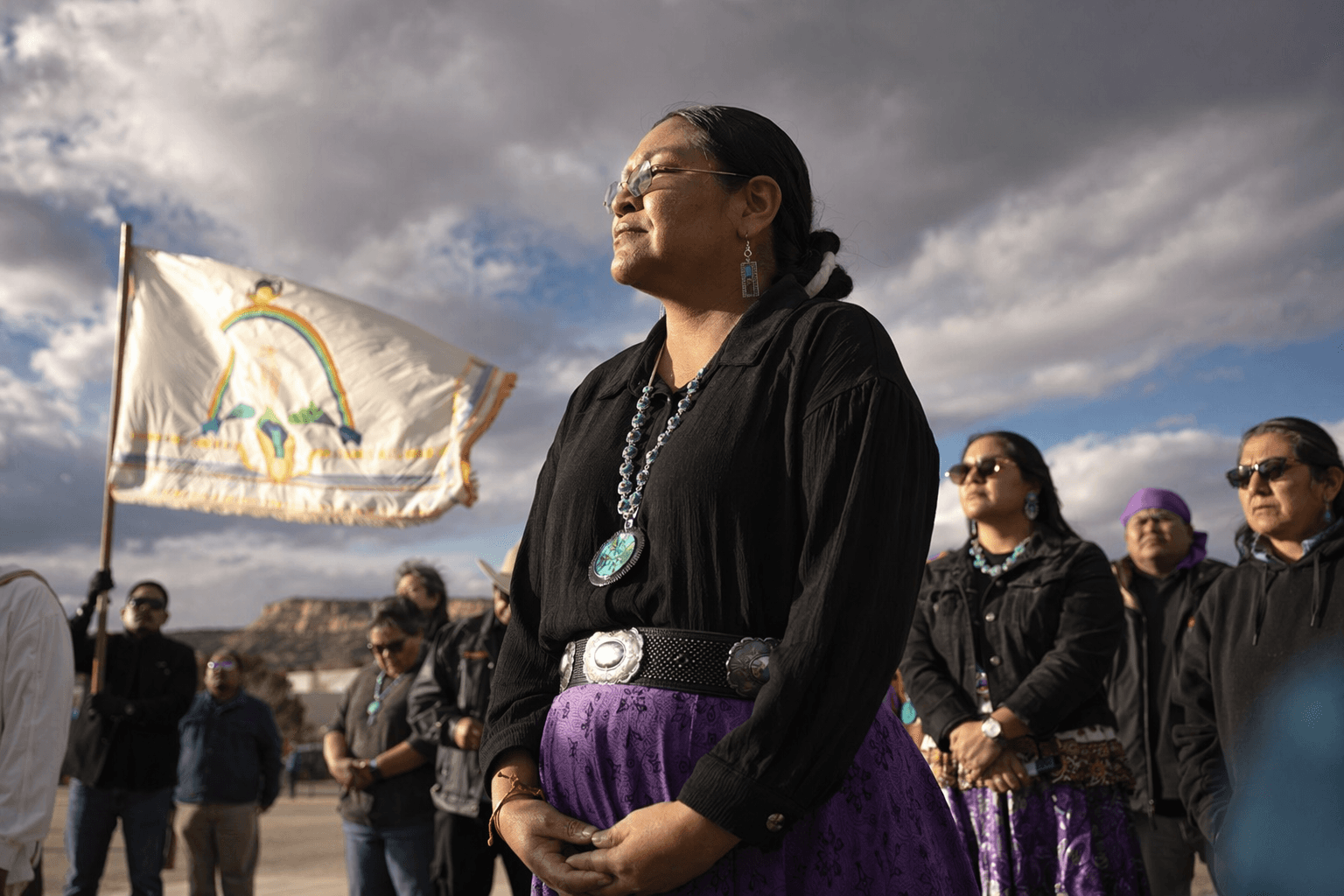
Crystalyne Curley said the Navajo Nation will keep pressing to protect Diné voting rights after the U.S. Supreme Court’s 6-3 ruling in Louisiana v. Callais, a decision that could shape how future redistricting and vote-dilution fights are handled for Native communities in Apache County and beyond.
The court decided the case on April 29, 2026, and held that Louisiana’s SB8 congressional map was an unconstitutional racial gerrymander because the Voting Rights Act did not require the state to create an additional majority-minority district. Justice Samuel Alito wrote the opinion, while Justice Elena Kagan dissented and warned the ruling could leave Section 2 severely weakened.
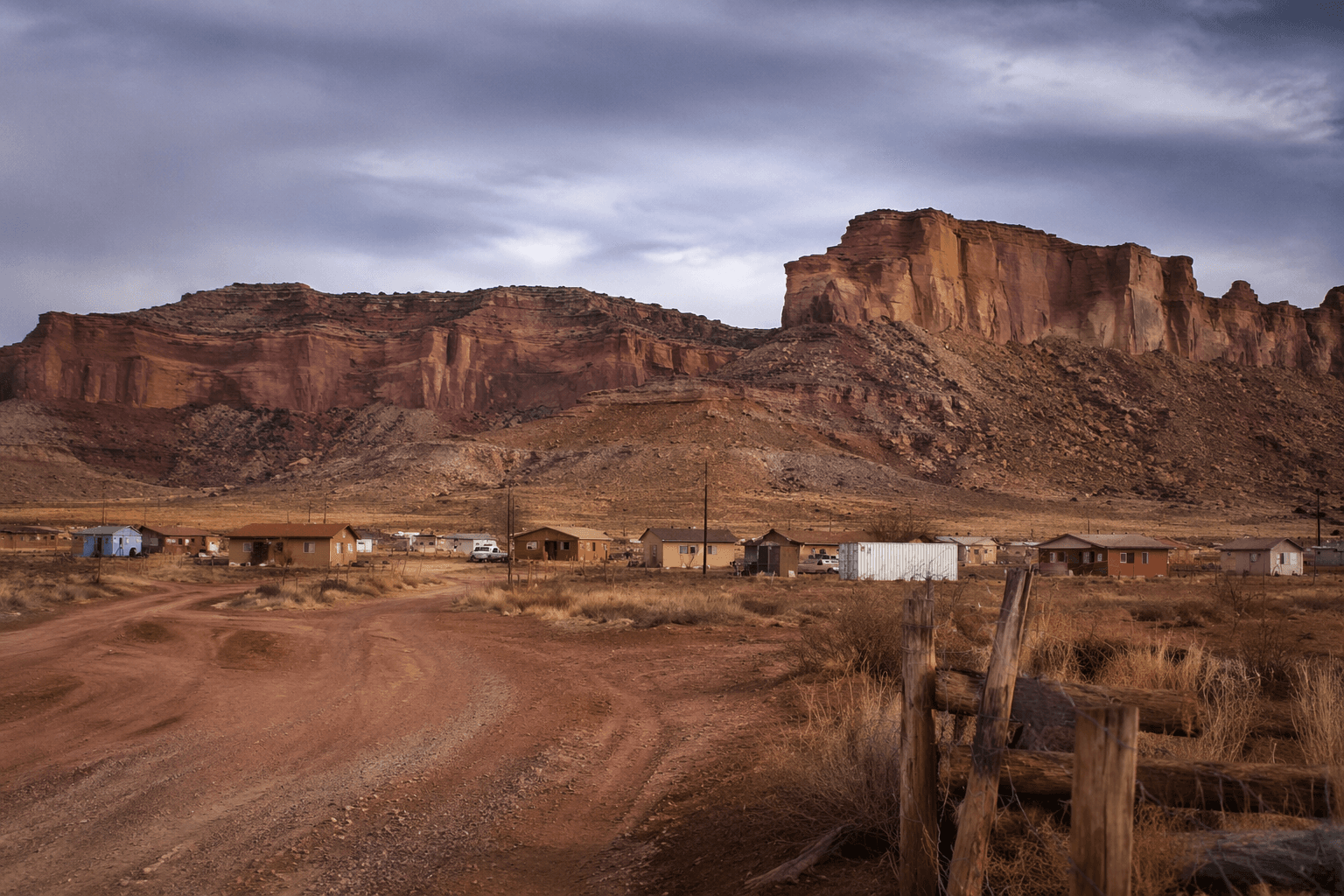
For Apache County, the immediate issue is less about a map in Louisiana than about whether Diné voters will continue to face barriers at the ballot box. Curley’s warning lands in a county where many Navajo Nation citizens already drive long distances, deal with transportation gaps, and navigate a precinct system that can be hard to use when street addresses are inconsistent and county, reservation, and precinct lines crisscross one another.
Apache County rejected nearly 1,300 provisional ballots in 2024, about 3.9% of all ballots cast. About 34% of those rejected ballots were tossed because voters cast them in the wrong precinct. In 2020, Apache County had a higher percentage of provisional ballots rejected than any other Arizona county, and about 35% of the ballots not counted there were rejected for wrong-precinct voting.
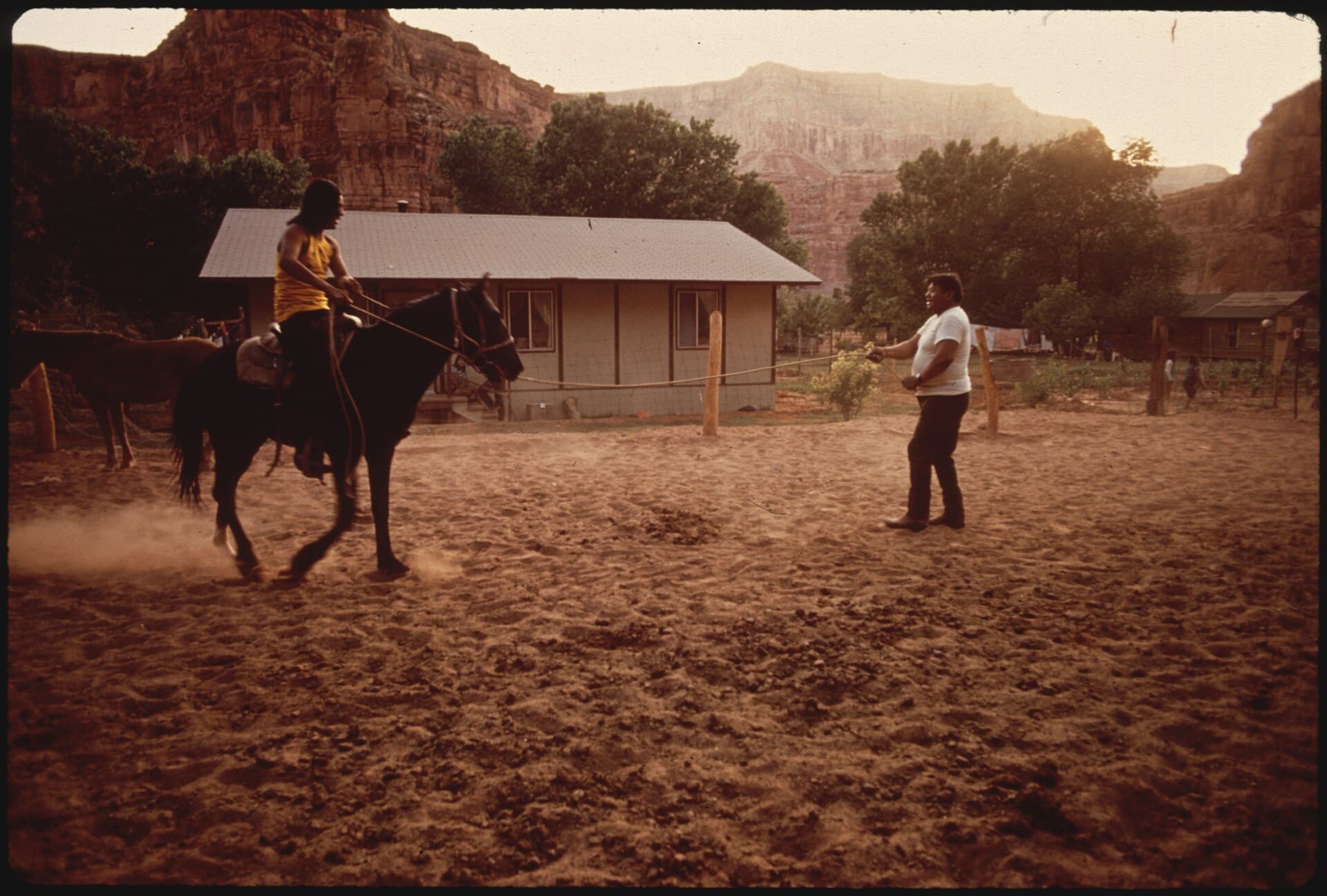
After years of lobbying by tribal officials, the Apache County Board of Supervisors voted unanimously on April 8, 2026, to switch to a vote-center model for the upcoming midterm election. That change will allow voters to cast ballots at any polling site in the county instead of being tied to one assigned precinct, a shift election advocates say should help voters who travel across remote stretches of northeastern Arizona and often lack reliable transportation.
The stakes are especially high in a county that covers large parts of the Navajo Nation and the Fort Apache Indian Reservation. The Navajo Nation spans more than 27,000 square miles across Arizona, New Mexico and Utah, making it the largest reservation in the United States by land area. That scale helps explain why polling-place access remains a daily governance issue, not just a courtroom fight.
National civil-rights groups including the NAACP Legal Defense Fund and the American Civil Liberties Union condemned the ruling. But for Apache County voters, the next test is closer to home: whether the county’s new vote-center system lowers rejection rates and whether the legal shift in Washington changes how Native voting rights are defended in the next round of election battles.
This article was produced by Prism’s automated news system from verified source data, official records, and press releases, then run through automated quality and moderation checks before publishing. The system is built and supervised by the people who set the standards it runs under. Read our full AI policy.
Did this article answer your question?