Navajo Students Face Expulsion Rates Four Times Higher Than White Peers
Navajo Nation Human Rights Commission calls Gallup-McKinley a 'climate of pervasive discrimination' as new data shows Native students expelled at 10 times the state rate.
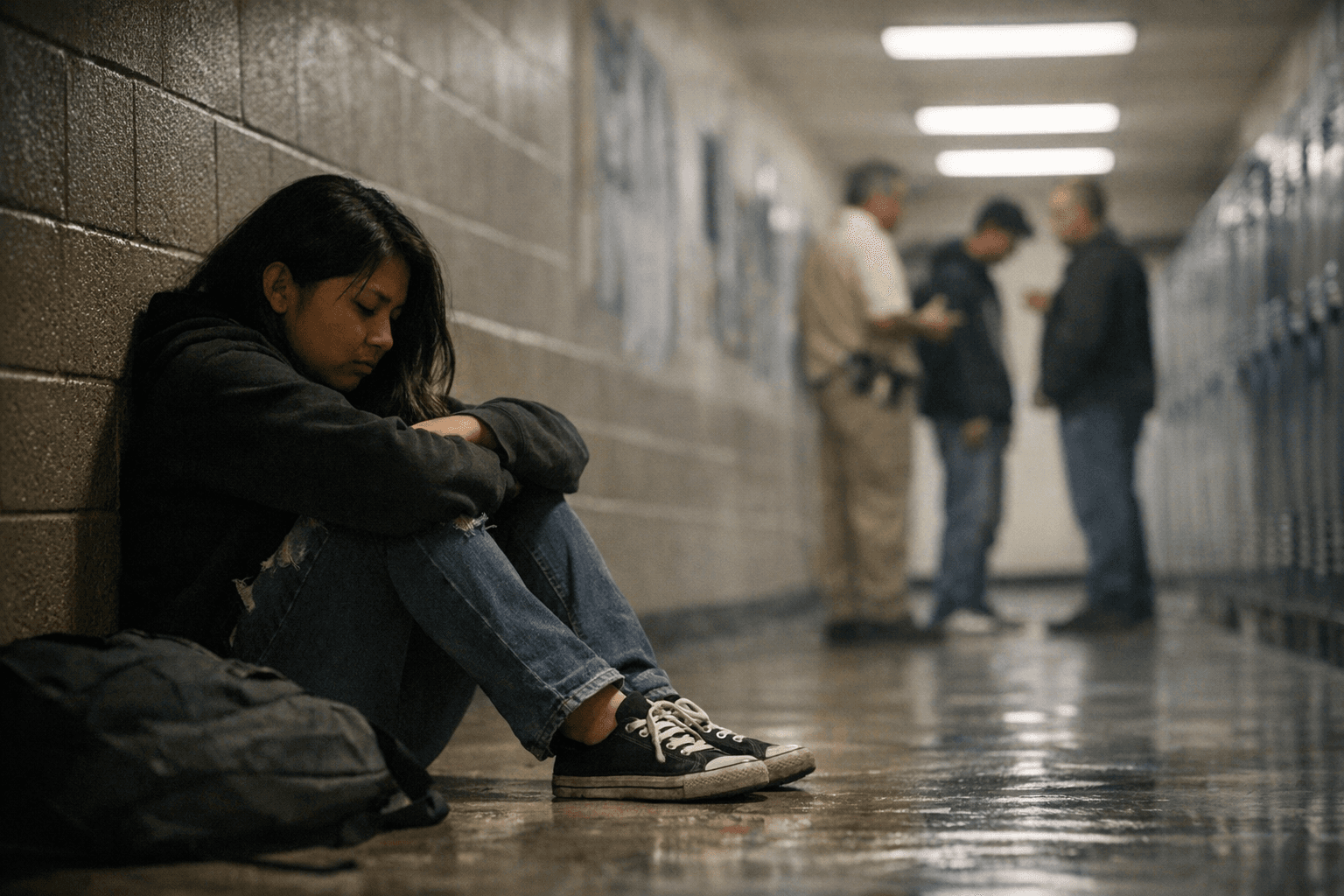
Wendy Greyeyes, chair of the Navajo Nation Human Rights Commission, didn't soften her assessment of what Gallup-McKinley County Schools has built for Navajo children: "It's our kids, our students, who are suffering the consequences of entrenched racism."
Greyeyes, who is Navajo and serves as an associate professor of Native American Studies at the University of New Mexico, released a 25-page commission report in early March 2026 characterizing conditions inside the district as "a climate of pervasive discrimination and fear." The finding covers a system where three-quarters of 12,000 enrolled students are Native American, mostly Navajo, in a district whose boundaries along New Mexico's western edge overlap with Navajo Nation communities that stretch west into Apache County, Arizona.
The data is unsparing: Gallup-McKinley accounted for at least three-quarters of all Native student expulsions in New Mexico across the four school years ending in 2020, despite enrolling only 4% of the state's total student population. Its annual expulsion rate was 4.6 per 1,000 students, at least 10 times higher than the rest of the state, and district employees called law enforcement for student misbehavior at four times the rate of other New Mexico schools. Statewide, Native students are expelled at least four times as often as white students, and Gallup-McKinley, which holds the largest Native student enrollment of any public school district in the United States, is largely responsible for that disparity.
New Mexico Attorney General Raúl Torrez opened a civil rights investigation into the district's practices in 2023, saying: "Our hope is that they will voluntarily change these practices." Cooperation was slow: in August and October 2024, investigators sent letters documenting that Gallup-McKinley had violated statutory deadlines on public records requests. By early 2025, AG chief of staff Lauren Rodriguez confirmed the investigation found "troubling disciplinary practices" but acknowledged that state law may not give the AG authority to compel changes.
Former Superintendent Mike Hyatt disputed the original findings at a school board meeting, arguing the district had miscoded suspensions as expulsions. His own district's data, submitted to the New Mexico Public Education Department and the U.S. Department of Education's Office for Civil Rights, undercut that claim: removals lasting 90 days or longer remained far above the state average regardless of labeling, with roughly two dozen stretching to a full calendar year.
In a January 2025 email, Hyatt said long-term removals dropped from 21 in 2021-22 to one in 2023-24, but 86% of those 28 removals across three years involved Native students. The state refused to release unredacted discipline data to independently verify the figures.
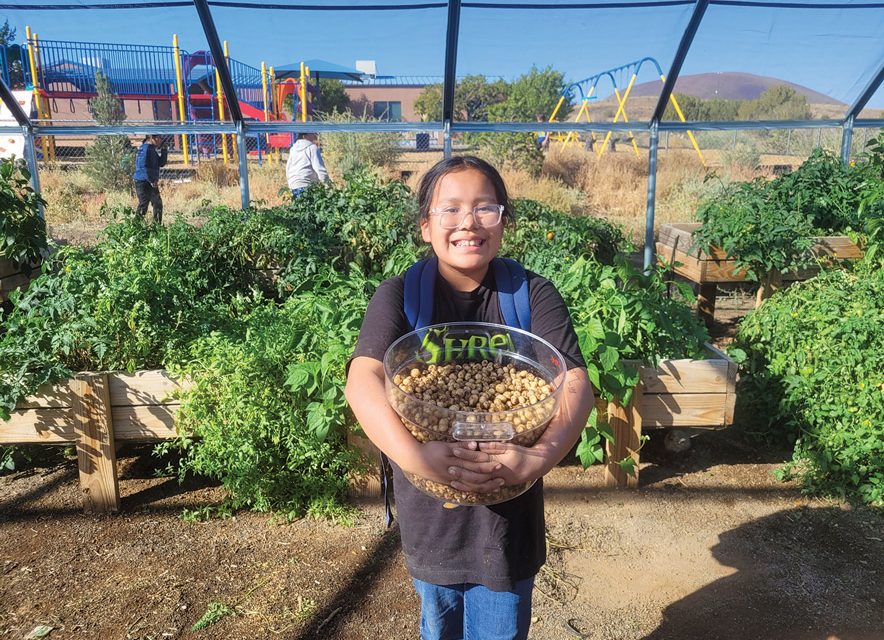
The commission's March 2026 report, drawn from four public hearings at Navajo Nation chapter houses inside the district, calls for a formal restorative justice agreement modeled on talking-circles programs at New Mexico's Cuba Independent School District and the STAR School on the Navajo Nation east of Flagstaff. It also urges a state financial audit of district spending on Native versus non-Native education and calls on the state education department to enforce discipline data reporting requirements.
Interim Superintendent Jvanna Hanks called the commission's work "important" and noted district employees participated in all four hearings. The district did not respond to requests for comment on the report.
Greyeyes traces the root of the problem to the boarding school era, describing colonial policies that persist today in subtler but no less damaging forms. The decade-old Yazzie-Martinez lawsuit, in which a New Mexico judge ruled the state violated the educational rights of Native Americans, English-language learners, disabled, and low-income children, remains the unresolved legal backdrop against which Navajo families on both sides of the state line continue to send their children to school.
This article was produced by Prism’s automated news system from verified source data, official records, and press releases, then run through automated quality and moderation checks before publishing. The system is built and supervised by the people who set the standards it runs under. Read our full AI policy.
Did this article answer your question?