Shiprock woman wins national honor for helping Navajo pet owners
A Shiprock woman won a national honor after helping Navajo families reach the only nearby vet care, food and translation support. The award spotlights a rural service gap across the Nation.
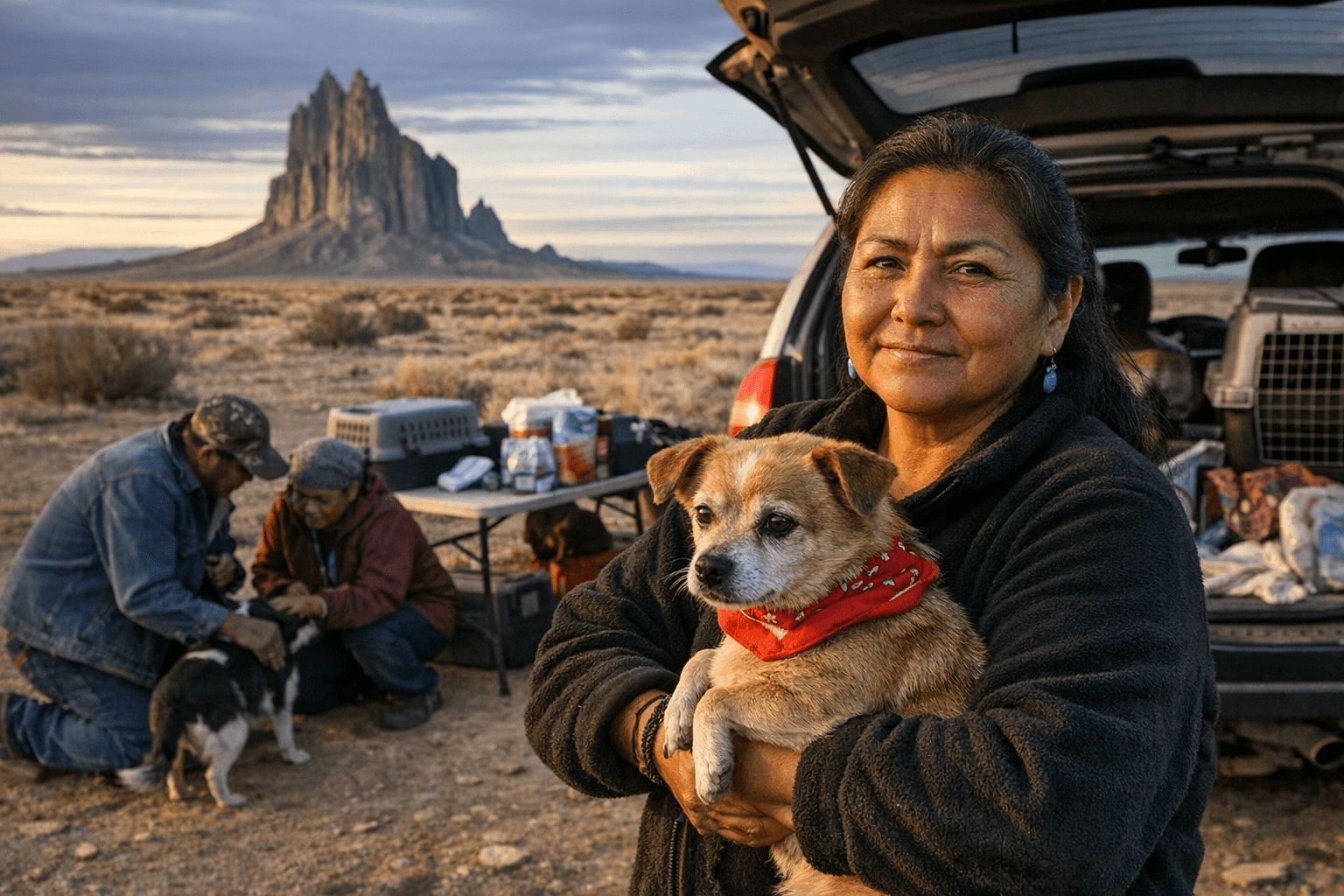
Chantal Wadsworth’s national recognition is really a measure of how hard it still is for Navajo families to get basic veterinary care. Humane World for Animals named the Shiprock woman the 2026 More Than a Pet Community Hero and attached a $10,000 grant to Partnership With Native Americans, but the award also shines a light on a larger problem: only two veterinary clinics serve the Navajo Nation, a territory that covers more than 27,000 square miles across Arizona, New Mexico and Utah.
Wadsworth has filled gaps that formal systems have not. She drives families to appointments, helps residents in the Navajo language, offers her personal phone number to people without internet access and runs the area’s first pet food pantry, according to Humane World for Animals. Those tasks may sound small from a distance, but on the ground they can determine whether a dog or cat gets vaccinated, treated for illness or fed at all.
The honor came on April 9, when Humane World for Animals said Wadsworth had won the 2026 prize. The campaign is in its third year, and each finalist received $5,000. The other finalists were Jewell Brown of Nashville, Tennessee, and Luisa Lopez of Atlanta, Georgia. Humane World for Animals says more than 20 million pets in the United States live with families experiencing poverty or in underserved areas, a figure that helps explain why a local caregiver in Shiprock can end up doing work usually spread across clinics, social services and transportation programs.
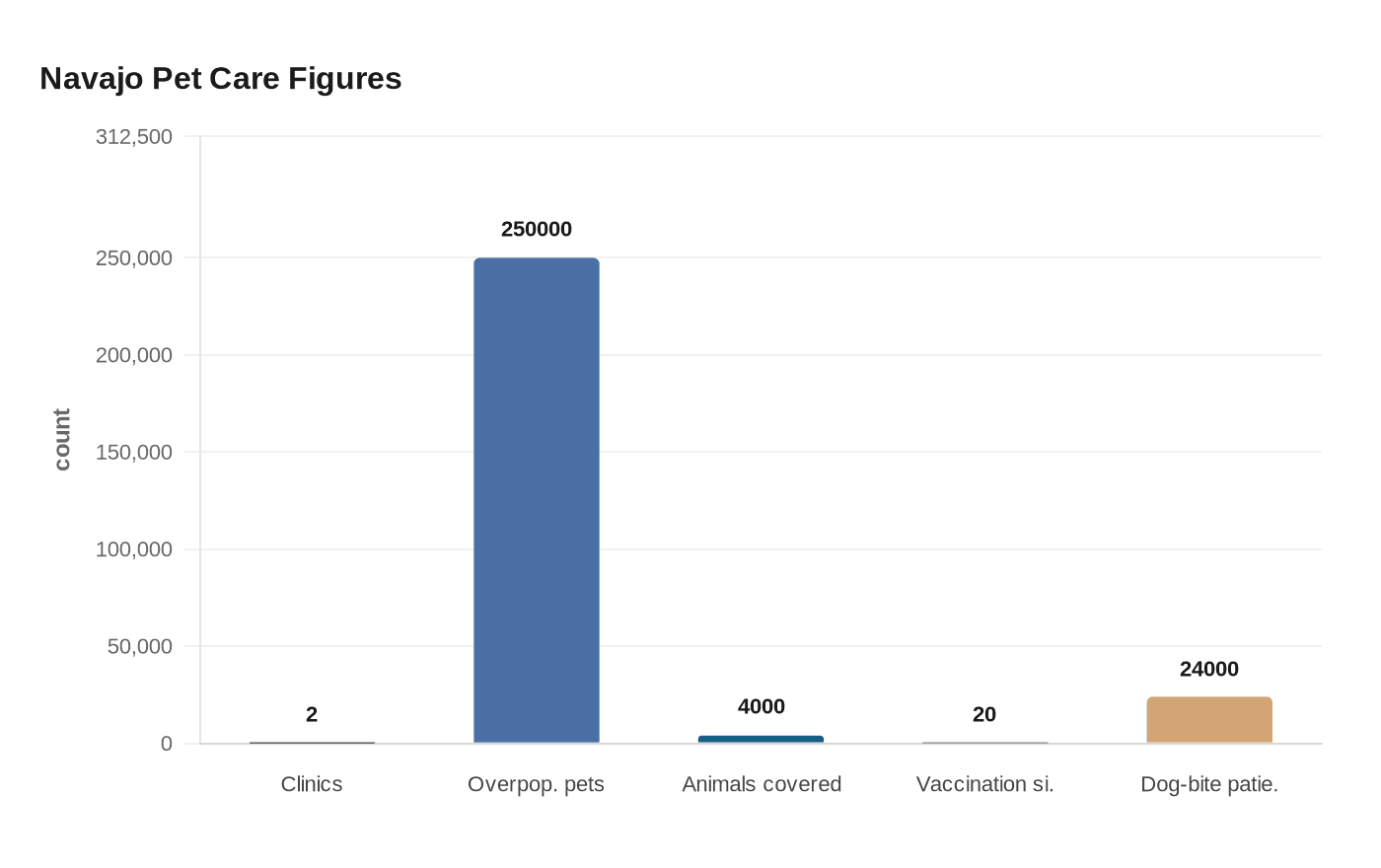
On the Navajo Nation, the stakes extend beyond convenience. A 2023 Navajo Nation proclamation described an estimated 250,000 overpopulated pets on the Nation, and tribal lawmakers have already considered direct funding for animal care. Bill No. 0052-22 would have provided $267,184 from the Unreserved, Undesignated Fund Balance to cover spay, neuter, deworming, microchipping and vaccinations for more than 4,000 animals. Sponsored by Delegate Eugene Tso, the measure also called for transport for elders, a communications platform, humane education and up to 20 vaccination sites.
Public health officials have warned that animal care is tied to more than pet ownership. A 2025 Senate Indian Affairs Committee statement said Native children have the highest rate of dog bite injuries in the nation, and that the Navajo and Alaska Areas had the highest numbers of bite-related hospitalizations over the last five years. The Indian Health Service said more than 24,000 patients received ambulatory care for dog bites during that period. For families on the Navajo Nation, Wadsworth’s work sits at the intersection of transportation, language access, food insecurity and basic animal health, and the new grant could strengthen a support system that too many households still rely on one person to provide.
This article was produced by Prism’s automated news system from verified source data, official records, and press releases, then run through automated quality and moderation checks before publishing. The system is built and supervised by the people who set the standards it runs under. Read our full AI policy.
Did this article answer your question?