Atchison County maps third-class cities, city halls and polling places
Third-class city status is the map key for Effingham, Huron, Lancaster and Muscotah, shaping city halls, polling places and local decisions residents live with.
Third-class city status is one of those civic labels that looks technical until you follow it to Main Street, Kansas Avenue and the schoolhouse poll. In Atchison County, it points directly to Effingham, Huron, Lancaster and Muscotah, and it helps explain who makes local decisions, where people vote and how these small towns fit into county life.
What third-class city status means in Kansas
Kansas divides cities by general law into classes, and the state had 627 municipal governments as of June 2002. The third-class category is codified in Chapter 15, and the statute history for K.S.A. 15-101 traces back to 1871, with later revisions in 1886 and 1917. That long legal trail matters because it shows that even small towns are not afterthoughts; they operate under a defined municipal structure.
Home rule deepened that local authority. The Kansas Legislative Research Department says voters adopted constitutional home rule in the 1960 general election, and it took effect July 1, 1961. In practice, that gave Kansas cities broad authority over local affairs, which is why small third-class cities can still set priorities on streets, utilities, community facilities and city services without needing a larger urban government to do the work for them.
The four towns on Atchison County’s map
Atchison County’s third-class-cities materials identify Effingham, Huron, Lancaster and Muscotah as the county’s third-class cities. The county page is tied to Effingham City Council, a reminder that city government in a small place still runs through a council, a clerk and a handful of local decisions that affect everyday life.
Seen side by side, the county’s four towns show how local government is both separate and connected:
- Effingham has city administration at Effingham City Hall, 414 Main Street in Effingham. The U.S. Census Bureau counted 495 people there in 2020, which makes the city’s municipal table feel close to home rather than remote.
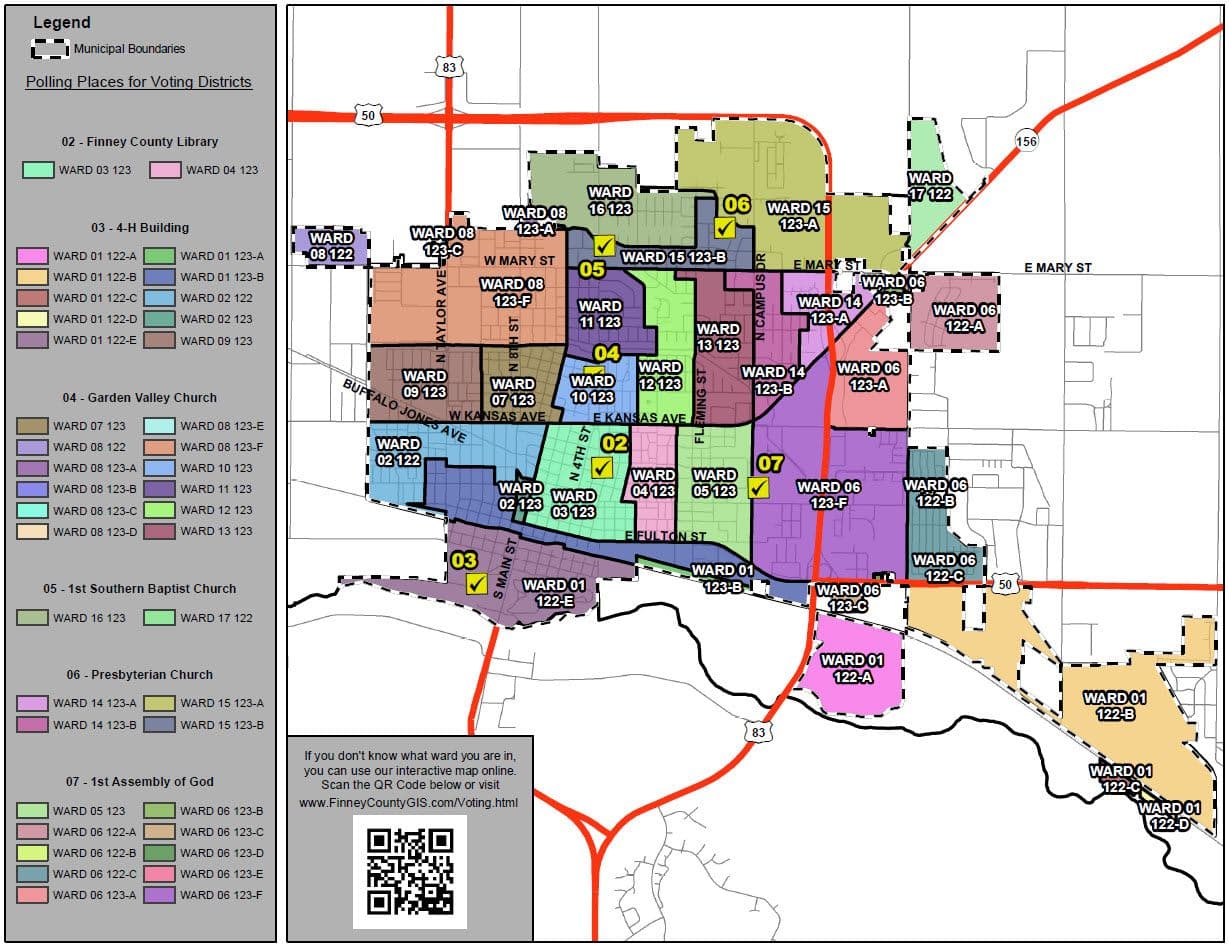
- Lancaster has Lancaster City Hall at 301 Kansas Street in Lancaster. The county precinct list shows that Lancaster City Hall is also the polling place for both Lancaster and Huron precincts, which puts one building at the center of election-day logistics for two communities.
- Huron appears in county third-class-city materials and, through the precinct list, is linked to Lancaster City Hall for voting. That is a useful detail for anyone trying to find the right ballot box, and it shows how small-town boundaries often overlap in practical county life.
- Muscotah has Muscotah City Hall at 604 Kansas Avenue in Muscotah. The precinct list shows that it serves as a polling place for the Grasshopper and Kapioma communities, giving the city hall a role that reaches beyond municipal administration into the county’s election map.
These details are the difference between a label and a lived reality. A third-class city is not just a category in state law; it is the place where residents show up for city business, where election geography gets organized and where a small town’s identity becomes visible in a public building.
Why the label matters beyond government jargon
For county residents, the label matters because it tells you which level of government is closest to the problem in front of you. If a street needs attention, a utility question comes up or a city service is on the agenda, the answer is likely to begin at city hall, not in Topeka or even at the county seat. Kansas home rule makes that local authority meaningful, and third-class status is the legal framework that keeps it in place.
The county’s 2026 Neighborhood Revitalization Plan shows that these towns also move inside a larger countywide framework. The plan, effective April 1, 2026, is the 9th term under the Kansas Neighborhood Revitalization Act and includes Atchison County, the City of Atchison, Effingham, Huron, Lancaster, Muscotah, U.S.D. 377 and U.S.D. 409. That list makes the relationship plain: the county’s small cities are not isolated dots, but participants in the same policy network as the county government and local school districts.
The scale of the county helps explain why that network matters. A 2025 estimate places Atchison County at about 16,200 residents, while Effingham’s 2020 Census count was 495. In places that small, one city hall can double as a civic anchor, and one polling place can serve multiple precincts or communities.
A long local paper trail
These towns have been connected for generations, not just in today’s government records. The Library of Congress lists The Atchison County Graphic as a newspaper for Effingham, Huron, Lancaster and Atchison County, Kansas, published from 1891 to 1893. FamilySearch also catalogs an Atchison city and county directory that included Atchison, Effingham, Huron, Lancaster and Muscotah, along with a complete list of taxpayers of Atchison County.
That paper trail matters because it shows the same municipal network appearing again and again in the county’s history. The names have long been tied together in local reporting, directories and civic records, and the third-class-city label is simply the current legal form of a much older county pattern.
This article was produced by Prism’s automated news system from verified source data, official records, and press releases, then run through automated quality and moderation checks before publishing. The system is built and supervised by the people who set the standards it runs under. Read our full AI policy.
Did this article answer your question?