Benedictine College links Tolkien, Eucharist in Corpus Christi reflection
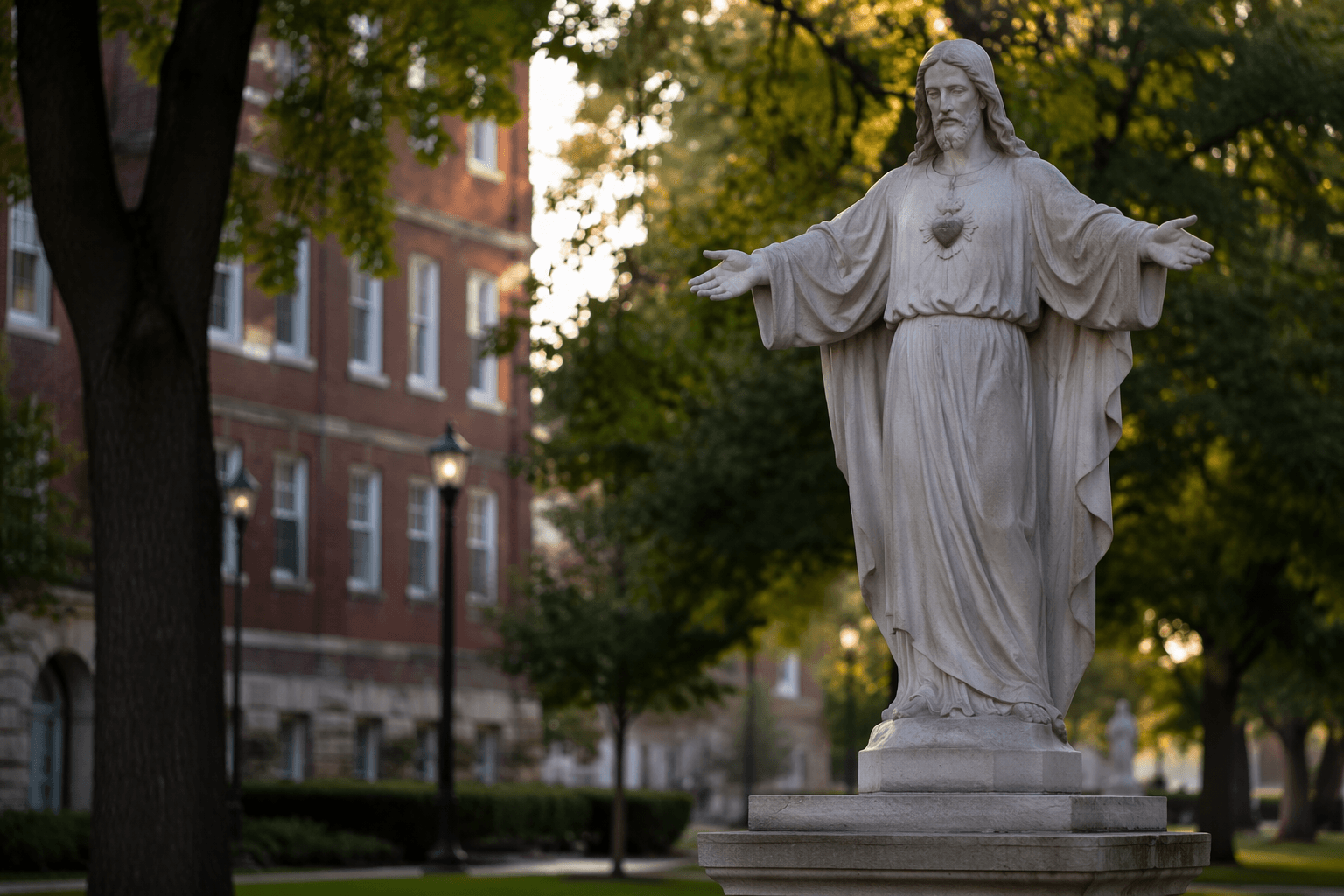
Benedictine College is using Tolkien’s quest imagery to make Corpus Christi teaching feel closer to campus life, prayer, and Catholic family faith.
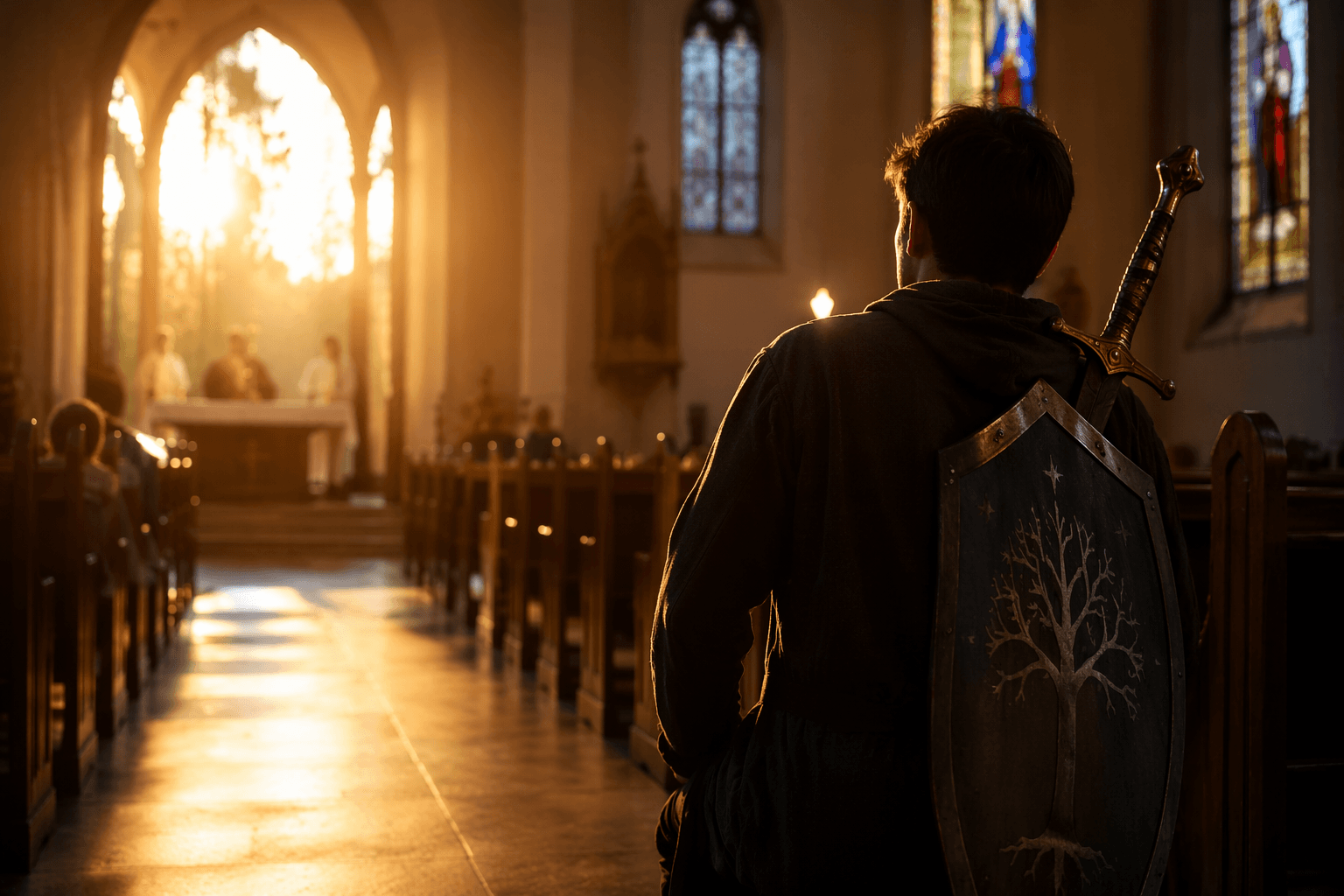
Benedictine College is reaching for J.R.R. Tolkien to explain one of Catholicism’s most important feasts, and that choice says as much about Atchison as it does about Corpus Christi. In a June 4 reflection, the college frames the Eucharist not as a distant doctrine but as an adventure, a sacrifice, and a transformation that speaks to students, families, and parish life on the Missouri River bluff.
Why Tolkien fits Benedictine’s Corpus Christi message
The essay, titled “This Sunday, J.R.R. Tolkien and the Adventure of the Eucharist,” uses *The Lord of the Rings* to help readers see the Eucharist through a different lens. Tom Hoopes argues that Tolkien’s work helps Christians understand the sacrament as a real journey, one that is dangerous and holy rather than merely symbolic. The comparison is deliberate: Tolkien’s fiction moves from adventure to sacrifice, and the essay says the Christian life follows a similar pattern through confession, conversion, and renewed mission.
That framing matters for Corpus Christi, which in 2026 fell on June 7. Catholic Answers describes the feast as a celebration of the Real Presence of Christ in the Eucharist, and Benedictine’s reflection leans into that central teaching by using a familiar cultural touchpoint to make the doctrine more accessible. For readers who know Tolkien as a Catholic author and a storyteller of quests, the college is turning literature into a bridge between belief and practice.
How the college connects the story to campus life in Atchison
Benedictine College is not simply borrowing a pop-culture reference. It is presenting the reflection through a campus media outlet that is part of a larger effort to teach theology in plain language. The college describes itself as a Catholic, Benedictine, liberal arts, residential college in Atchison, Kansas, with a mission to educate men and women within a community of faith and scholarship.
That mission has deep local roots. Benedictine traces its origin to 1856, when two Benedictine monks arrived in Atchison at the request of the Most Rev. John B. Miege, S.J., and to 1858, when they opened a boarding school with six students. The college says it is heir to 1,500 years of Benedictine dedication to learning, a lineage that helps explain why a campus reflection can move easily from literary analysis to catechesis.
The article also fits Benedictine’s digital teaching style. The same media arm that published the Tolkien reflection also presents The Extraordinary Story, a podcast about the life of Christ written and hosted by Hoopes. That combination of written reflection and audio teaching shows how the college is trying to reach students and lay readers who may encounter theology in podcasts, campus posts, or short devotional pieces rather than in a classroom alone.
Who is shaping the message
Hoopes is a central figure in that effort. EWTN News identifies him as Benedictine College’s Writer in Residence and Vice President of College Relations, and he also teaches in the Journalism and Mass Communication Department. That background matters because it places him at the intersection of theology, communications, and education, the exact space where a Tolkien essay can become a tool for forming Catholic imagination.
His approach in the reflection ties Scripture to story. The essay compares the Christian journey to the Israelites’ passage from slavery to freedom and says each Sunday begins a new walk with Jesus. That biblical frame gives the Tolkien comparison more weight, making the Eucharist feel like movement, struggle, and release instead of a static ritual.
For Catholic families and students, that kind of storytelling can be easier to enter than abstract doctrine alone. It takes a teaching about the Eucharist and places it within images many readers already know: a quest, a road, a turning point, and a call to keep going.
What Benedictine says about sacramental life
The reflection also lands in the middle of a campus culture that presents sacramental life as ordinary and central. Benedictine’s faith-life materials emphasize the presence of priests, brothers, and sisters from different orders who offer talks, spiritual direction, and receptions for students. The college also says it holds Eucharistic Adoration hours and regular Masses as part of daily campus life.
The numbers from Benedictine’s 2025 year-end roundup show how deeply that rhythm runs. The college reported 5,493 hours of Eucharistic Adoration and 26,881 confessions heard, a scale that suggests sacramental practice is not peripheral to the school’s identity. That helps explain why a reflection on Tolkien and the Eucharist would appear in a Benedictine context: the college is not only teaching about devotion, it is describing a lived devotional environment.
For Atchison County readers, that gives the piece a local dimension beyond theology. Benedictine is presenting itself as a place where literature, prayer, and Catholic formation meet in everyday campus life, and that shapes how the college speaks to students, alumni, and local parish families.
A larger campus backdrop: the new library and public identity
The Tolkien reflection also comes as Benedictine prepares for a major public milestone. The college says a new 58,000-square-foot library is scheduled to open in 2026, with a grand opening set for July 4, 2026, from 9:00 a.m. to noon. The building is designed in the style of Independence Hall in Philadelphia and will include a replica of the Assembly Room where the Declaration of Independence was debated and signed, along with a replica of the Liberty Bell.
The college says the library will house the Center for Constitutional Liberty, the Department of History, and the Department of Political Science. In Benedictine’s telling, the project is part of its broader effort to “Transform Culture in America” while honoring the Catholic intellectual tradition and American liberty. That public-facing ambition matches the Tolkien reflection’s tone: both present Benedictine as a college that wants to shape minds through faith, history, and story.
For Atchison, the significance is practical as well as symbolic. A campus that is building a new library, publishing devotional reflections, and reporting heavy sacramental participation is signaling how it wants to be known in town and beyond. The message is clear: Benedictine is trying to make Catholic teaching legible in the language of the culture around it, then anchor that language in Eucharistic belief.
What this means for local readers
The strength of the Tolkien reflection is not that it replaces doctrine, but that it translates it. By linking Corpus Christi to adventure, sacrifice, and the long road of conversion, Benedictine College is speaking to students who recognize story, to families who value formation, and to parish life that depends on teaching faith in memorable ways.
That approach fits a college founded in 1856, shaped by Benedictine learning, and still presenting itself as a place where faith and scholarship belong together. In Atchison, the result is a campus voice that treats the Eucharist as both sacrament and story, with Tolkien serving as a guide toward a teaching Benedictine clearly wants readers to take home with them.
This article was produced by Prism’s automated news system from verified source data, official records, and press releases, then run through automated quality and moderation checks before publishing. The system is built and supervised by the people who set the standards it runs under. Read our full AI policy.
Know something we missed? Have a correction or additional information?
Submit a Tip