Benedictine Sisters in Atchison targeted by international donation scam
Fraudsters have posed as Mount St. Scholastica’s prioress to chase banking details, sending fake donation emails to Benedictine communities from Mexico to China.
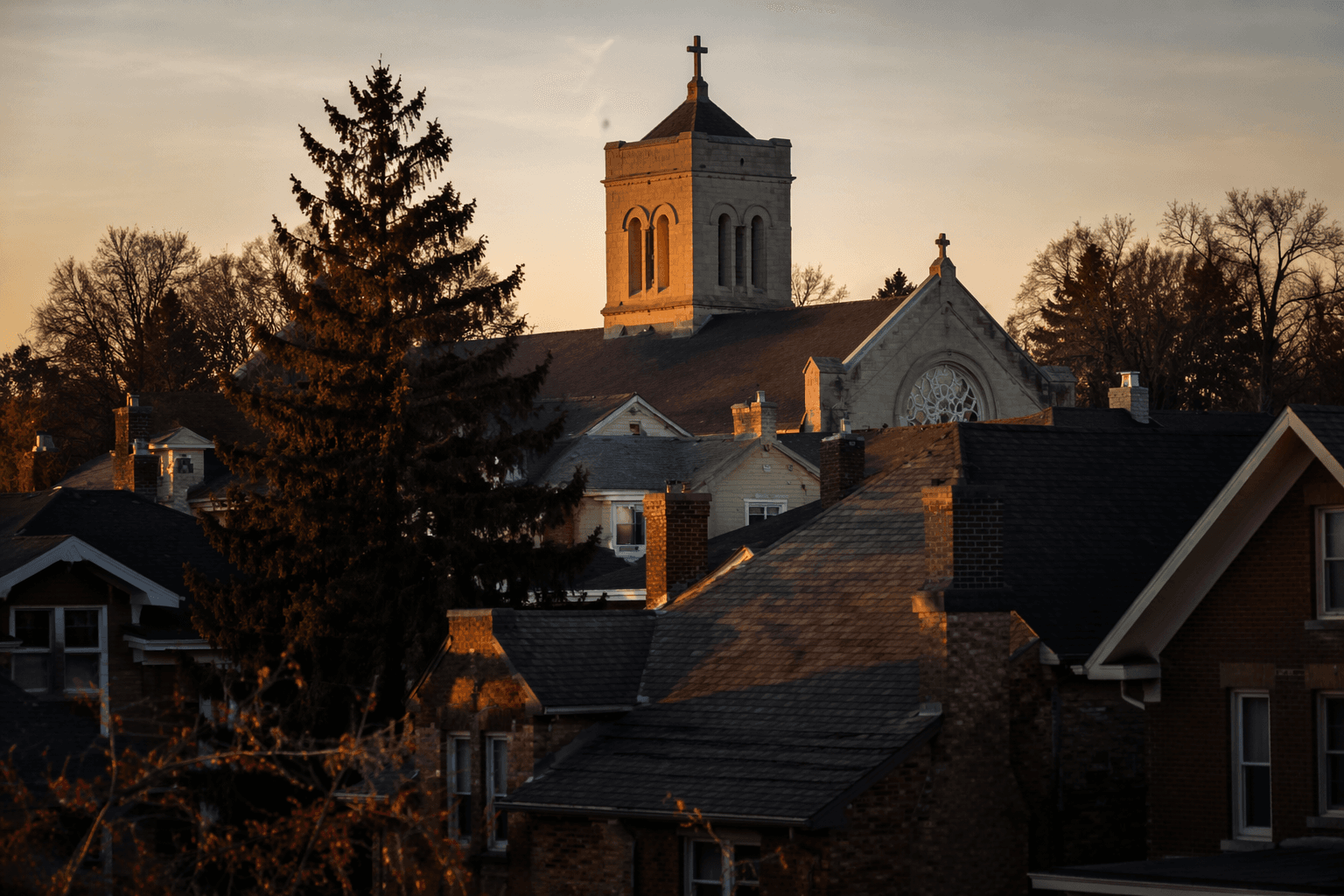
A donation scam aimed at the Benedictine Sisters of Mount St. Scholastica in Atchison has spread across an international network of religious communities, using the name of Sister Mary Elizabeth Schweiger to lure people into sharing banking information. The pitch is simple and dangerous: a fake message claims a large unrestricted gift is waiting, then asks for account details to complete the transfer.
The sisters say the emails often look convincing at first glance because they carry letterhead, seals and signatures that appear authentic. But the messages usually contain small mistakes in formatting, spelling or grammar, and the promise of money is the warning sign. The fake correspondence has reached communities in Mexico, Spain, Poland, the Philippines, Hungary, Haiti, Brazil, France, Italy, Australia and China, among others.
For Atchison, the scam hits a community with deep roots and a visible public role. Mount St. Scholastica was founded in 1863, when seven Benedictine sisters arrived in Atchison on Nov. 11, 1863, to open a school for girls under Mother Evangelista Kremmeter. Sister Mary Elizabeth Schweiger was elected prioress on June 11, 2023, becoming the 13th prioress in the community’s 160-year history. Today, the sisters say their work includes Sophia Spirituality Center and Keeler Women’s Center, and in January 2026 they said they would refocus their efforts apart from Benedictine College governance.
The sisters emphasize that Benedictine monasteries are autonomous, with each monastery governed by its own prioress and leadership. That matters because the scam depends on confusion, borrowing the authority of a well-known name to create urgency and trust. Some recipients have spotted the fraud quickly and verified the message through the monastery website. Others have called to ask whether a large donation is real. In more troubling cases, some communities have contacted the sisters asking why promised money never arrived, a sign that the fraud may have already caused damage elsewhere.
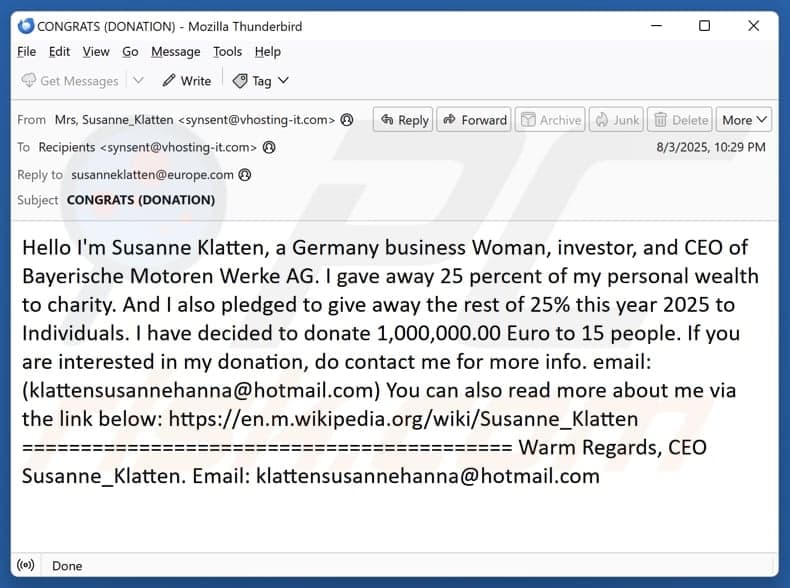
For Atchison residents, the safest response is to treat any unsolicited request for banking information as a red flag, especially if it arrives with claims of a surprise donation or a request to move money quickly. Verify the sender through official monastery channels before replying, and be cautious if the message appears to come from a trusted religious figure but contains even minor errors. The scam keeps working because it borrows the credibility of faith communities; the best defense is a careful pause before any account number changes hands.
This article was produced by Prism’s automated news system from verified source data, official records, and press releases, then run through automated quality and moderation checks before publishing. The system is built and supervised by the people who set the standards it runs under. Read our full AI policy.
Know something we missed? Have a correction or additional information?
Submit a Tip