Autauga County Residents Guide to Local Healthcare, Hospitals, and Emergency Services
Autauga County's healthcare network spans Prattville, Millbrook, and Autaugaville — here's what every resident needs to know about hospitals, clinics, and emergency care.
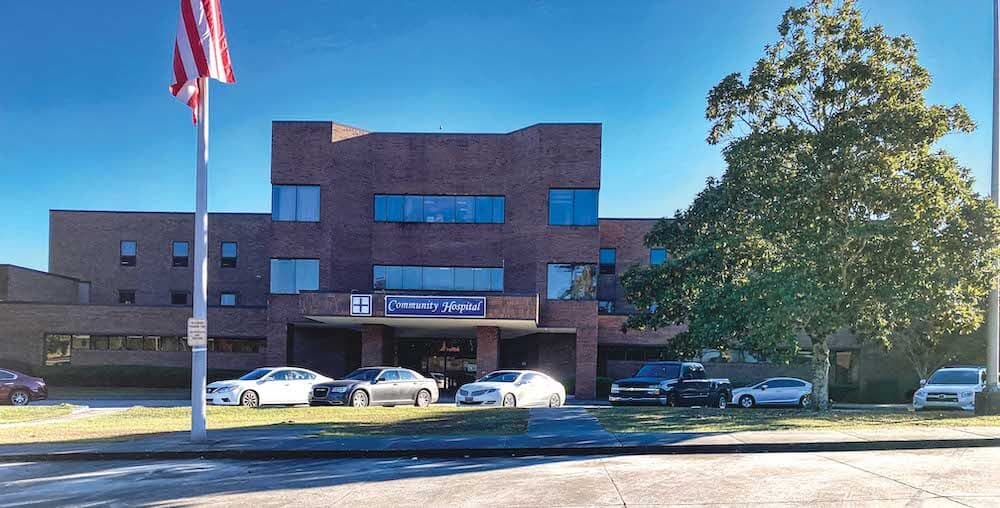
Knowing where to go before a health crisis hits can make all the difference. Whether you live in Prattville, commute through Millbrook, or call Autaugaville home, Autauga County offers a layered network of healthcare resources — from county public-health services to hospital emergency care — that every resident should have mapped out well in advance.
The Main Hospital Serving Autauga County
Prattville Baptist Hospital, located in the county seat of Prattville, is the primary acute-care facility for Autauga County residents. The hospital provides a broad range of inpatient and outpatient services, including emergency care, surgical services, and diagnostic imaging. Its central location in Prattville makes it the first destination for serious medical situations across the county. If you are experiencing a life-threatening emergency, call 911 rather than driving yourself — emergency medical services can begin treatment en route and alert the hospital ahead of your arrival.
Autauga County Public Health Services
The Autauga County Health Department operates as the backbone of preventive and community health in the region. Through the Alabama Department of Public Health, the local office provides services including immunizations, family planning, sexually transmitted infection testing and treatment, tuberculosis screening, and Women, Infants, and Children (WIC) nutrition assistance. These services are especially vital for residents who lack private insurance or who need routine preventive care outside of a traditional physician's office. The health department serves all of Autauga County, including residents in Prattville, Millbrook, and the more rural communities such as Autaugaville.
Residents seeking public health services can contact the Autauga County Health Department directly to confirm current hours, appointment requirements, and available programs, as service offerings can shift based on state funding and public health priorities. Walk-in availability varies, so calling ahead is strongly recommended.
Emergency Care: When and Where to Go
Understanding the difference between an emergency room visit and an urgent care visit can save time, money, and unnecessary stress. For life-threatening conditions — chest pain, difficulty breathing, stroke symptoms, severe bleeding, or loss of consciousness — go directly to the emergency department at Prattville Baptist Hospital or call 911 immediately.
For non-life-threatening conditions that still require prompt attention, such as minor fractures, infections, cuts requiring stitches, or high fevers, urgent care clinics in the Prattville area offer faster wait times and lower costs than a full emergency department visit. Several urgent care options operate in and around Prattville along major corridors, providing extended hours beyond what a primary care physician typically offers.
When in doubt about the severity of a situation, calling 911 or the Poison Control Center (1-800-222-1222) can help you assess next steps without leaving your home.
Primary Care and Specialty Physicians
Establishing care with a primary care physician before you need one is one of the most practical steps any Autauga County resident can take. Prattville supports a network of internal medicine, family medicine, and pediatric practices, many of which are affiliated with or referral-connected to Prattville Baptist Hospital. For specialty care — cardiology, orthopedics, oncology, and others — residents are often referred to Montgomery, which lies just across the county line and is easily accessible via U.S. Highway 82 and Interstate 65.
Millbrook residents, positioned along the Elmore County border, have convenient access to both Prattville-based providers and Montgomery facilities, giving that community a practical dual-market advantage for healthcare access.
Mental Health and Behavioral Health Resources
Mental health care is an increasingly essential part of the county's overall health infrastructure. The Central Alabama Mental Health Center serves Autauga County residents with outpatient behavioral health services, substance abuse counseling, and crisis intervention. These services are available to adults and children and operate on a sliding-scale fee basis, making them accessible to residents across income levels. If you or someone you know is experiencing a mental health crisis, the 988 Suicide and Crisis Lifeline is available 24 hours a day by simply dialing or texting 988.
Practical Contact Information
Having key numbers saved before an emergency is a simple but often overlooked precaution. Below are the essential contacts for Autauga County healthcare:
- Emergencies: 911
- Prattville Baptist Hospital: Located on Hospital Drive in Prattville; confirm current main line through the hospital's directory
- Autauga County Health Department: Reachable through the Alabama Department of Public Health's county office directory
- Poison Control Center: 1-800-222-1222 (24 hours)
- Mental Health Crisis Line: 988 (call or text, 24 hours)
- Central Alabama Mental Health Center: Serves Autauga County residents; contact for appointments and crisis services
Planning Ahead: What Every Household Should Know
Healthcare access in a county like Autauga requires some proactive planning, particularly for residents in more rural pockets near Autaugaville, where the distance to major facilities adds time to any emergency response. Keeping a current list of all household members' medications, allergies, and physician contacts in a single accessible location can meaningfully speed up treatment in an emergency. If you have elderly family members or individuals with chronic conditions, identifying the nearest urgent care and establishing a relationship with a home health provider ahead of time reduces pressure during acute situations.
The county's healthcare network, anchored by Prattville Baptist Hospital and supported by public health, behavioral health, and urgent care infrastructure, gives residents strong foundational coverage. Using those resources proactively — rather than reactively — is what transforms a good healthcare system into genuinely good health outcomes for Autauga County families.
This article was produced by Prism’s automated news system from verified source data, official records, and press releases, then run through automated quality and moderation checks before publishing. The system is built and supervised by the people who set the standards it runs under. Read our full AI policy.
Did this article answer your question?