Autauga Place restored as historic wedding venue in Autaugaville
A 1896 company-built house in Autaugaville now hosts weddings, with 13-foot ceilings and restored wood floors inside a former mill-town landmark.
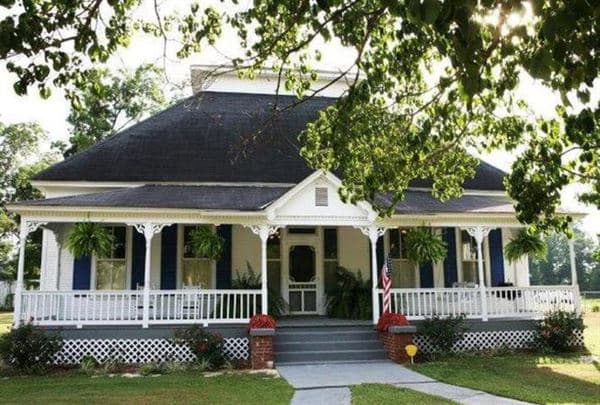
Autauga Place, a house built in 1896 by the Swift Creek Mills Lumber Company, now serves as a wedding and celebration venue in Autaugaville after Karen and Ricky Tucker bought and restored it in 2009. The property keeps its place in the town’s history while giving the old company house a new public use.
The Tuckers restored the house to its original design, raising the ceilings to 13 feet and refinishing the wood floors. Those changes preserved the scale and finish of the home while adapting it for events that bring people back into one of Autauga County’s best-known industrial-era landmarks.
The house’s chain of ownership traces Autauga Place through more than a century of local change. After the lumber company built it, the property changed hands several times before physician R. G. Shanks bought it in 1917. His family kept the home until 2009, when the Tuckers purchased it and began the restoration that turned it from a private residence into a venue.

That transformation matters in a place like Autaugaville, where the built landscape reflects the community’s development around Swift Creek. The town began around 1820 with a gristmill and sawmill, then grew into a manufacturing center with a cotton mill, cloth factory, buggy and wagon factory, and another gristmill. Autauga Place fits that history directly: it was built during the same industrial era that shaped the town, and it survives because owners chose to repair and reuse it rather than let it disappear.
Today, the house stands as a working example of preservation that is not frozen in time. Its original design details, tall ceilings, and wood floors remain part of the experience, but the property also has a present-day role as a site for weddings and other celebrations. In Autaugaville, that means one of the town’s older company-built homes is still in active use, not as a relic, but as a place where people gather inside a structure tied to the community’s mill-era past.
This article was produced by Prism’s automated news system from verified source data, official records, and press releases, then run through automated quality and moderation checks before publishing. The system is built and supervised by the people who set the standards it runs under. Read our full AI policy.
Did this article answer your question?