How Autauga County’s seat moved from Washington to Prattville
Autauga County’s seat moved with the county’s roads, commerce, and power. The trail runs from Washington’s old Autauga town site to Kingston, then to Prattville.
Autauga County’s courthouse map was not drawn all at once. It was built one move at a time, first at Washington, then Kingston, and finally Prattville, as settlement patterns, health concerns, transportation, and commercial power shifted across central Alabama. What sits in Prattville today is the end result of those choices, and the places that lost the seat still leave traces in the county’s landscape and memory.
Washington and the county’s first civic center
Autauga County was created in 1818 by the Alabama Territorial Legislature, carved out of Montgomery County and originally stretching into what is now Elmore and Chilton counties. The county took its name from the Autauga people, part of the Creek Confederacy, who lived in the area before the Treaty of Fort Jackson in 1814 opened the land to American settlement. When the first county seat was established at Washington in 1819, it sat on the former site of the Autauga town at Atagi, tying the new county government to an older native place on the Alabama landscape.
Washington worked as the county’s first center of authority, but it did not remain so. Residents later found the site inconvenient and unhealthful in warm weather, a practical problem in a county where travel depended on rough roads, horses, and the river corridors that shaped early movement. As the seat shifted away, Washington declined and eventually became a ghost town, leaving behind the reminder that county power in the 19th century often followed comfort, access, and survival as much as politics.
Kingston and the logic of movement
The seat moved to Kingston in 1830, and that change shows how county governments adapted to where people actually lived and traveled. Kingston was not a random stop between two better-known places. It reflected the need for a more usable courthouse location as the county grew and daily travel had to be realistic for farmers, merchants, jurors, and officials coming in from across Autauga County.
Kingston served as the county seat from 1830 to 1868, long enough to become part of the county’s civic memory even after the courthouse moved again. The town retained a post office until 1908, a small but telling sign that it remained connected to local life after losing the county government. For residents looking at the county’s past today, Kingston marks the middle chapter, when courthouse access and settlement patterns mattered more than any single town’s ambition.
Prattville rises with industry
The final move to Prattville in 1868 made sense because Prattville had become the county’s strongest center of wealth and business activity. Daniel Pratt settled in Autauga County in 1833 and built a cotton gin manufacturing company that became the largest in the world. He founded Prattville as a company town modeled after a New England mill town, creating an industrial base that drew workers, trade, and investment to the Autauga Creek area.
That growth mattered to lawmakers. By relocating the county seat to Prattville, the legislature recognized where Autauga County’s economic center had shifted. Prattville’s incorporation on February 19, 1872, formalized what had already become clear on the ground: the town was no longer just an industrial settlement but the county’s civic center as well. The move also linked government to a place that was easier for more residents to reach through the county’s changing transportation network and commercial routes.
Prattville’s rise was tied not only to Daniel Pratt’s factory complex, but to a broader pattern of development around Autauga Creek and the Alabama River corridor. Prattville was planned, promoted, and built as a place where industry and civic life could reinforce one another. That is why the county seat landed there and stayed there.
The courthouse tells the story in brick and stone
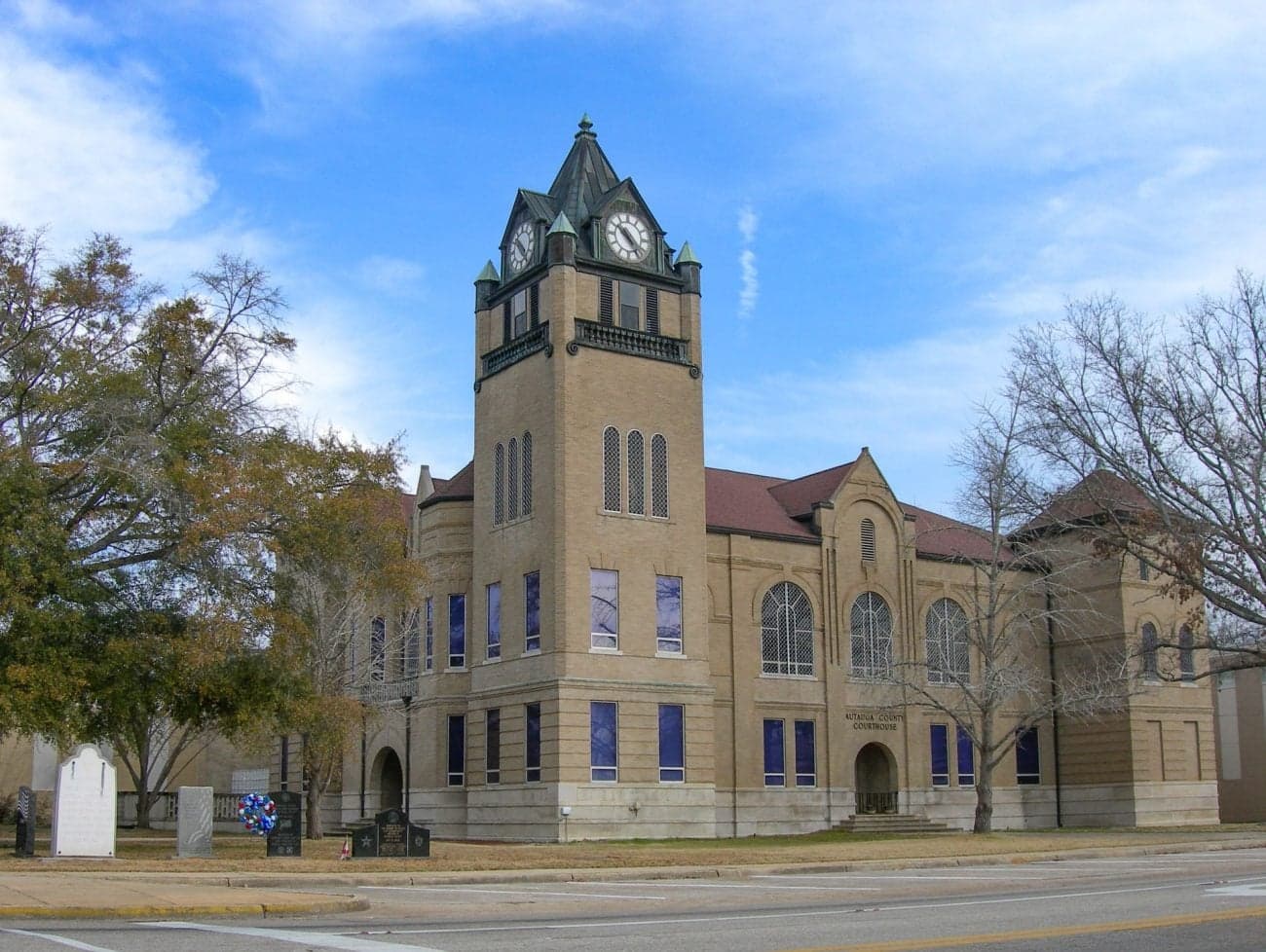
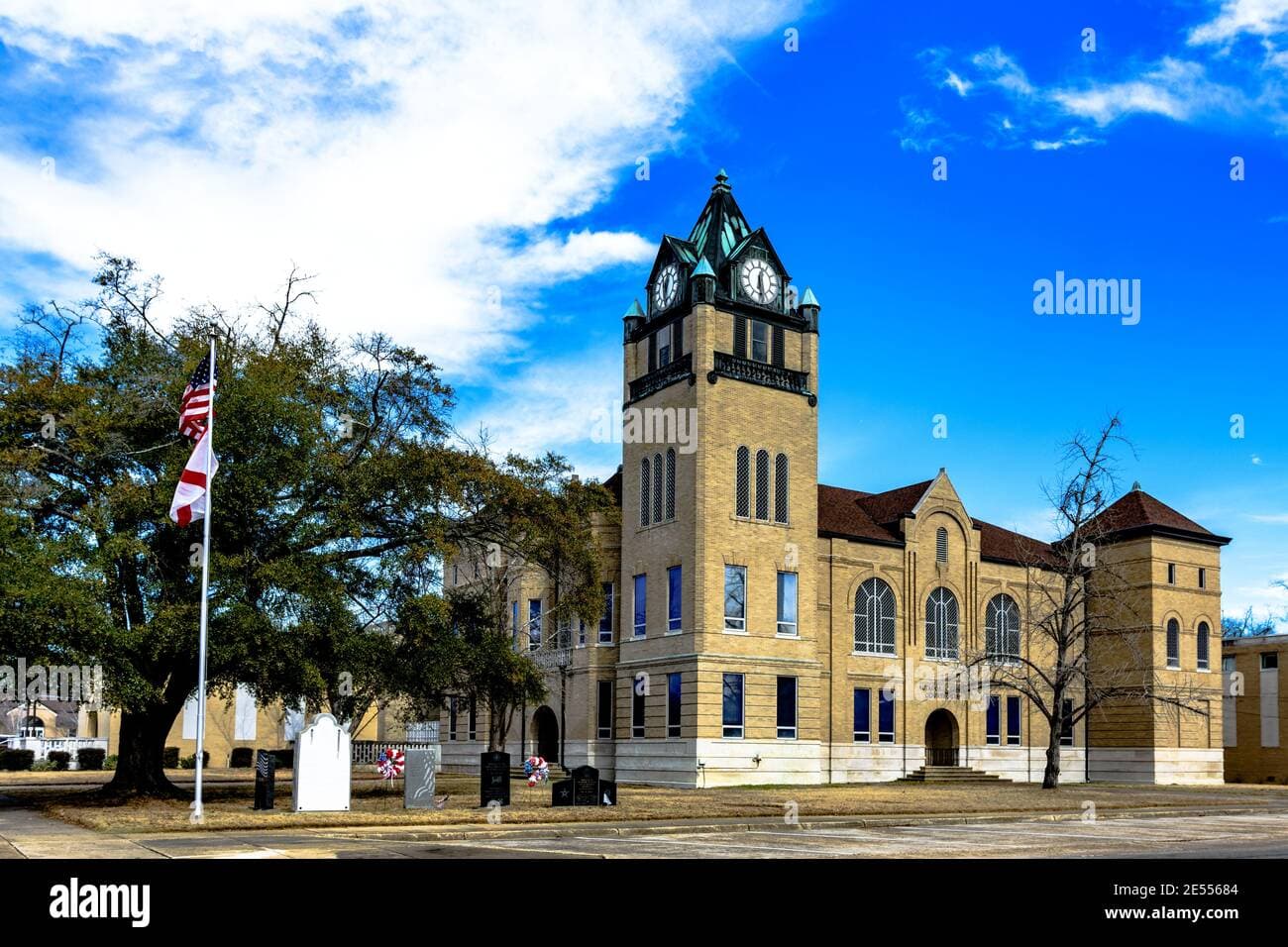
The county’s courthouse timeline gives the seat move a visible form. The first courthouse in the county seat era was an Italianate structure designed by George Littlefield Smith and built in 1870. It was later replaced by the current Autauga County Courthouse, which was built in 1906 in the Romanesque Revival style and replaced the earlier courthouse in 1907.
The courthouse still anchors county government in Prattville today, which means the historic move still shapes daily routines. Residents go there for county services, official records, and the practical business of local government, just as earlier generations traveled to the seat for courts and civic decisions. An annex added in 1962 expanded the building’s function, but the address remained fixed in the county’s political geography.
The courthouse is also a contributing property in the Daniel Pratt Historic District, which was listed on the National Register of Historic Places in 1984. That designation places the seat’s final home inside a larger historic landscape, one that connects government, industry, and the city’s origins instead of treating them as separate stories.
What still remains from the older seats
The old county seats did not disappear without a trace. Washington’s decline into ghost-town status preserves the memory of the county’s first courthouse era and of the community that once stood at Atagi. Kingston still carries the imprint of its years as the county seat, even after the post office closed in 1908. Those details matter because they show that the county’s political center moved, but its early settlement pattern remains readable in place names and surviving local landmarks.
Autauga County’s broader early economy also survives in unexpected ways. The Boggs family pottery, established in 1830, is still operating and gives the county another link to its antebellum era beyond courthouse history. In Prattville, Daniel Pratt’s industrial footprint remains part of the city’s identity, including his home and garden near Autauga Creek, not far from the old industrial complex that helped justify the county seat’s final move.
Seen together, Washington, Kingston, and Prattville explain why county government ended up where it did. Autauga County’s seat did not move because of a single vote or a single building. It moved because roads, rivers, health, trade, industry, and courthouse access all pulled power in a new direction, and Prattville became the place where those forces finally met.
This article was produced by Prism’s automated news system from verified source data, official records, and press releases, then run through automated quality and moderation checks before publishing. The system is built and supervised by the people who set the standards it runs under. Read our full AI policy.
Did this article answer your question?