Prattville historic preservation commission guides changes in historic district
Prattville property owners face real review before changing historic exteriors, adding signs or tearing down structures in the district. The commission’s decisions shape downtown investment, neighborhood character and redevelopment.
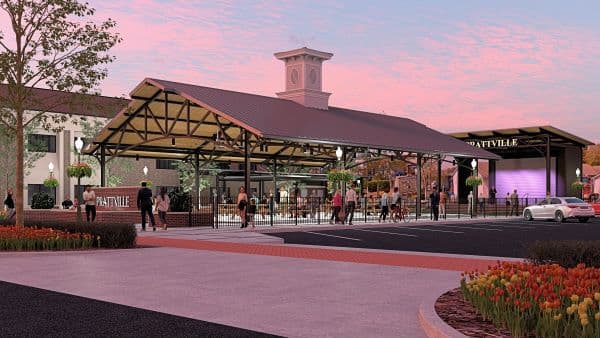
What Prattville’s historic preservation commission can actually do
If you own property in Prattville’s historic district, the Historic Preservation Commission is not a ceremonial board. It is the city body that can decide whether exterior changes move forward, whether new construction fits the district, and whether demolition or signage gets a green light. For downtown owners and developers, that makes the commission a practical checkpoint for permits, renovation plans and the future look of some of Prattville’s most visible blocks.
The city formed the commission by ordinance in 2002, appointed the first members in 2005 and established the Prattville Historic District in 2008. The board has seven members, with nominees appointed by the mayor and confirmed by the City Council to three-year terms. In other words, the panel sits squarely inside city government, but its job is to protect the historic fabric that gives Prattville’s core much of its identity.
What the board is charged with protecting
The commission is a volunteer board of citizens appointed to preserve and protect historic buildings, sites, structures, areas and districts in Prattville. Its duties go beyond simply preserving old facades. The board is also responsible for preserving and protecting structures and sites of historic and architectural value within the historic district, preparing surveys of property and recommending buildings and districts for historic designation.
That authority matters because preservation in Prattville is not just about aesthetics. It is a planning tool that can shape the pace and form of redevelopment, especially in areas where property owners want to improve buildings without erasing the character that draws residents, visitors and investment downtown.
When the commission gets involved
The clearest trigger for review is a Certificate of Appropriateness. The commission hears those requests when a property owner wants to change a historic exterior, add new construction, demolish a structure or install signs. That means the board can influence whether a project is approved as proposed, modified to better fit the district or delayed until the applicant meets preservation standards.
For property owners, the practical consequence is straightforward: if work changes what people see from the street in the historic district, it may need commission review before it can proceed. That can affect renovation schedules, demolition plans, tenant improvements and storefront design. It also means the commission has a direct hand in how much of downtown’s historic appearance survives as new investment arrives.
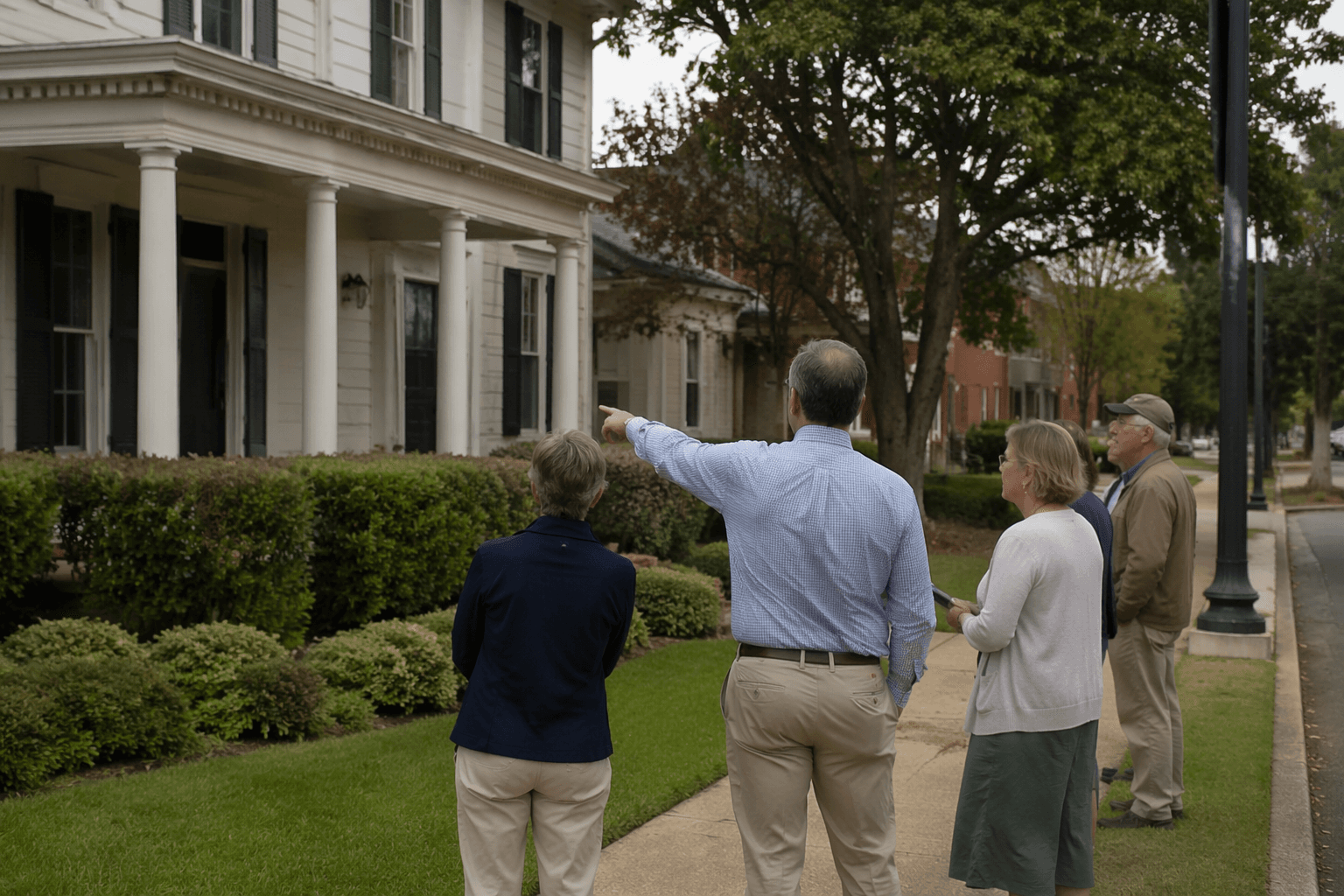
How to get before the board
The commission meets on the fourth Thursday of each month at 4:30 p.m. in the City Council Chambers at City Hall. Residents who want to appear before the commission must apply about a month before the meeting, so waiting until a project is ready to break ground can be too late if the work touches a historic exterior or sign plan.
For anyone planning work in the district, that timing is critical. A late application can delay a renovation, and a project that needs a Certificate of Appropriateness can stall if the review has not been scheduled in time. The smart approach is to treat commission review as part of the permit process, not as an afterthought.
Why the district matters to downtown Prattville
Prattville’s historic core is substantial. The Daniel Pratt Historic District encompasses the nineteenth-century nucleus of the town and includes over two hundred properties. It contains commercial, industrial, residential and institutional architecture, with most structures dating from 1840 to 1930 and a heavy concentration from 1880 to 1920.
The district extends about fifteen city blocks from Autauga Creek, and it includes the earliest industrial buildings around which Prattville developed after 1839. That history gives the commission real local significance. The board is not just preserving a handful of landmark houses. It is overseeing a downtown landscape that includes the layers of industry, commerce and neighborhood development that shaped Prattville itself.
For residents, that means commission decisions can influence the character of entire blocks, not just individual buildings. For developers, it means that project design has to account for the district’s existing scale, materials and historic pattern of development. For anyone watching downtown investment, it means preservation rules are part of the cost and timing of building in the city’s historic center.
Why the National Register matters
The National Register of Historic Places is the official list of the nation’s historic places worthy of preservation under the National Historic Preservation Act of 1966. Prattville’s Daniel Pratt Historic District sits within that broader preservation framework, which reinforces the local case for careful review of changes in the district.
That national designation does not remove local control. Instead, it underscores why city review exists in the first place: to make sure changes in the district are evaluated against the historic qualities that make the area significant. In practical terms, the local commission is the body that translates those preservation goals into decisions about what can be built, altered, signed or removed.
What recent activity shows about the board’s role
Prattville’s commission is not dormant. A city special meeting notice in April 2025 listed multiple Certificate of Appropriateness applications involving alterations, rehabilitation and signage. That is a clear sign that the board is handling real-time decisions about visible changes in the historic area, not just maintaining a paper record of old buildings.
That kind of activity matters for anyone tracking downtown momentum. It shows that preservation rules are active as the city balances change and continuity. The commission does not freeze the district in time, but it does require public review before visible changes move ahead.
The bottom line for property owners and developers
If a project is inside Prattville’s historic district, the commission may be one of the first government bodies you need to account for. It can shape exterior renovations, new construction, demolition plans and signs, and it can slow or redirect projects that do not fit the district’s preservation standards. It also influences the broader investment climate downtown by helping protect the streetscape, architecture and sense of place that support property values and civic identity.
For Prattville, that is the real tradeoff the commission manages every month in City Hall: allowing growth while keeping the historic district from being rebuilt out of recognition.
This article was produced by Prism’s automated news system from verified source data, official records, and press releases, then run through automated quality and moderation checks before publishing. The system is built and supervised by the people who set the standards it runs under. Read our full AI policy.
Know something we missed? Have a correction or additional information?
Submit a Tip