Prattville walking tours spotlight downtown’s historic Daniel Pratt district
Prattville’s walking tours turn downtown into a living lesson in industry, architecture and memory, with stories many longtime residents have never heard.
Rediscovering downtown through the Daniel Pratt district
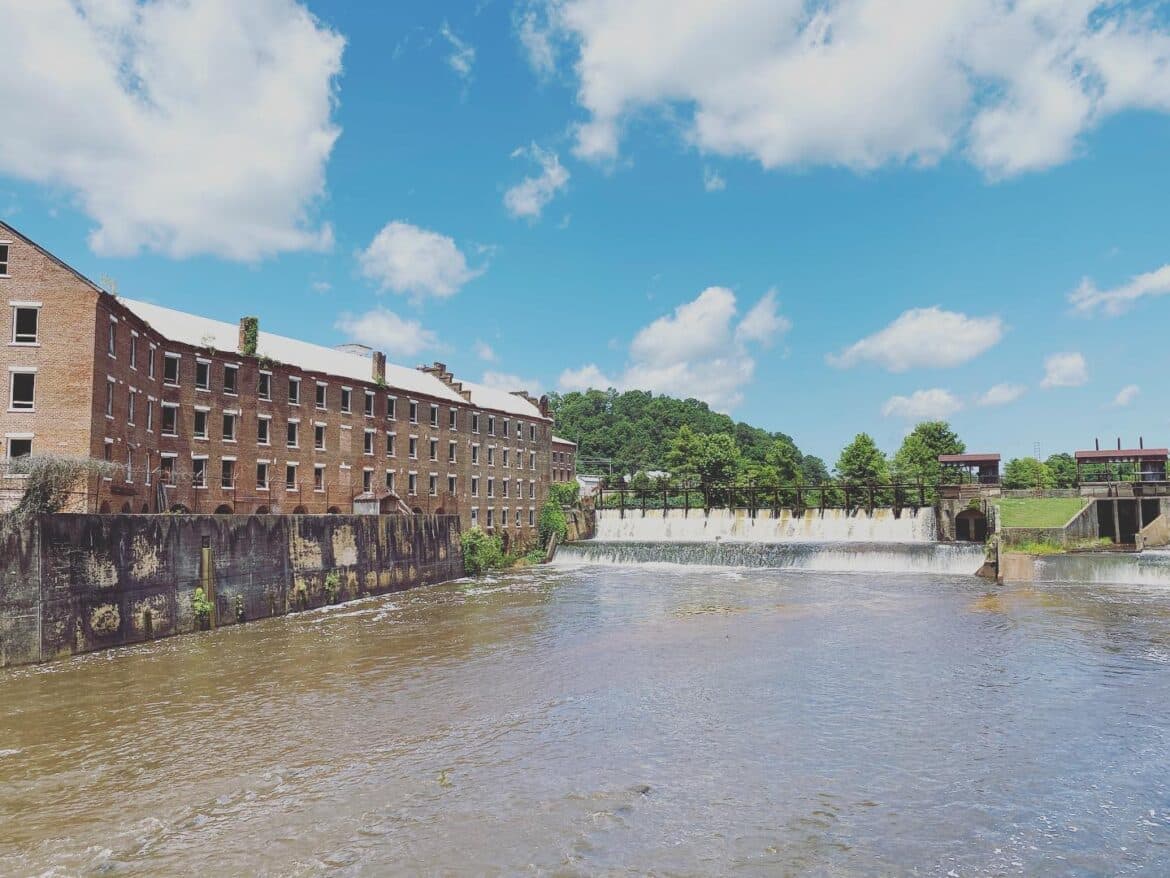
Prattville’s downtown walking tours are built around a simple idea with deep payoff: slow down, look closely, and the streets start telling a much bigger story. Guided by the Autauga County Heritage Association and the Prattaugan Museum and Heritage Center, the walks lead people through the Daniel Pratt Historic District, where the city’s industrial beginning still shapes the blocks around it.
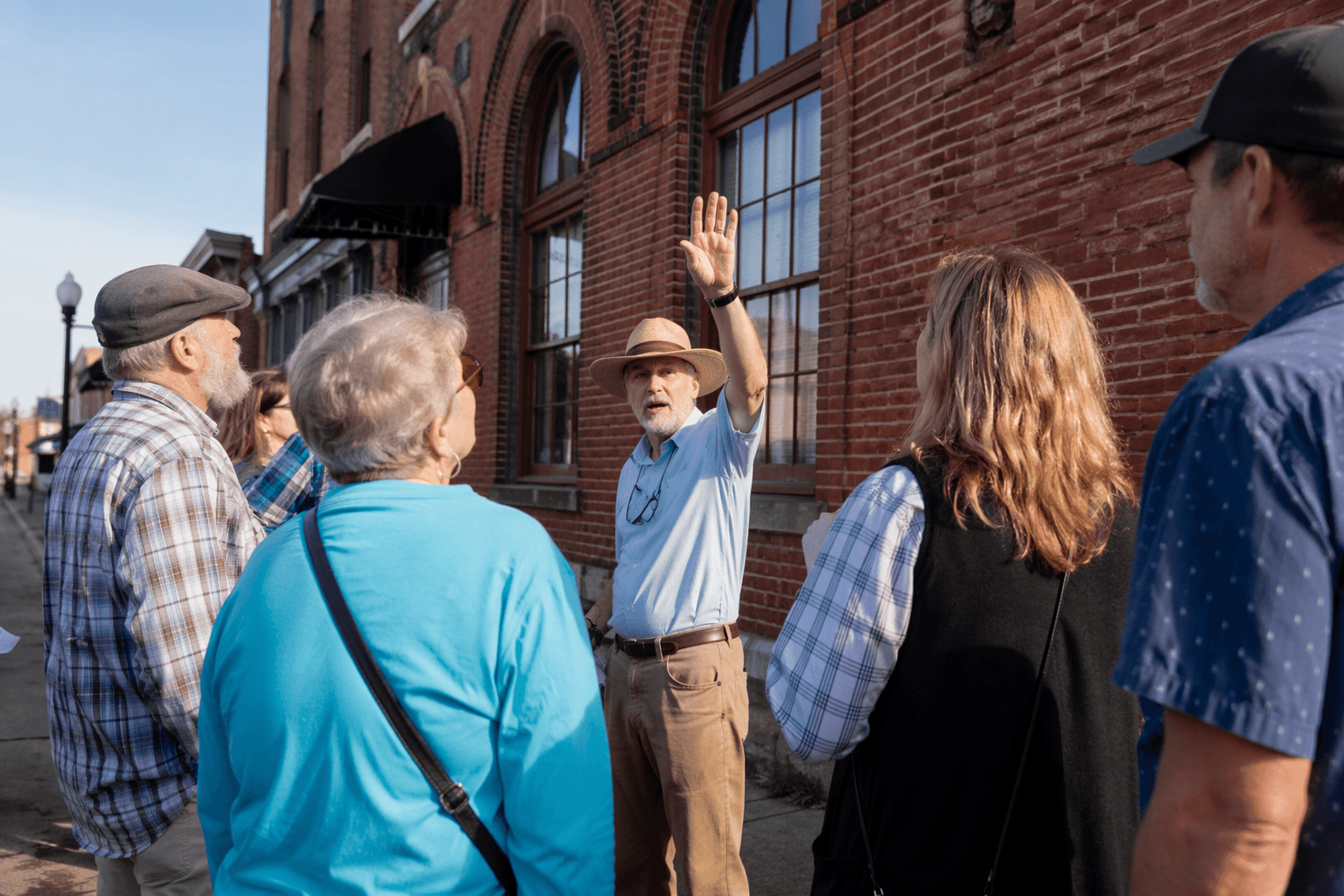
That is what makes the tour feel different from a routine stroll. Instead of treating downtown as a pass-through, the route pulls residents and visitors into the roots of Prattville itself, where manufacturing, commerce, churches, schools and homes were woven into a single planned community in the 1830s. For longtime locals, the surprise is not that the district is historic. It is how much of the original design still defines the way downtown works today.
A district built around an industrial vision
The Daniel Pratt Historic District was listed on the National Register of Historic Places on Aug. 30, 1984, and its scale helps explain why it matters beyond one city block. The district covers about 140 acres, stretches across roughly 15 city blocks, and includes more than 200 properties. One listing summary notes 154 buildings, while the National Park Service describes the district as the nineteenth-century nucleus of Prattville, anchored by the earliest industrial buildings around Autauga Creek after 1839.
That detail matters because Prattville did not grow in the usual loose pattern of a river town or courthouse square. Daniel Pratt envisioned a self-sufficient manufacturing center a few miles northwest of Montgomery, and the town developed around that idea. The walk shows how that original layout still lives in the street grid and the preserved buildings, making downtown Prattville one of the clearest examples of an early master-planned community in Alabama.
Daniel Pratt’s factory town and the gin empire it created
No stop on the tour tells the story better than the places tied to the Daniel Pratt Gin Company. Daniel Pratt, born in 1799 and later described as Alabama’s first major industrialist, had opened a cotton gin plant in Prattville by 1844. His business grew into what became the largest cotton gin producer in the world, a remarkable fact that many people walking downtown for the first time do not expect to hear.
The company’s later history is equally striking. The Daniel Pratt Cotton Gin Company merged with other manufacturers in 1899 to form the Continental Gin Company, and a Library of Congress source says the company was still operational in Prattville in 1966. Another account traces the Prattville gin firms into what became the largest cotton gin factory in the world, before production was outsourced to India in 2009 and the factory closed in 2012. Those changes underline a central theme of the walk: industrial places do not only survive as relics. They often pass through reinvention, loss and preservation before they become part of a community’s heritage economy.
That is one reason the Historic Prattville Redevelopment Authority remains important. Created by an act of the Alabama State Legislature in 1988, the authority has focused on revitalizing the Daniel Pratt Historic District and has purchased the Daniel Pratt Cotton Gin Factory for preservation and adaptive reuse. In Prattville, history is not just being remembered. It is being managed, protected and put back to work in the life of the downtown.
Inside the Prattaugan Museum and Heritage Center
One of the most revealing stops on the route is the Prattaugan Museum and Heritage Center, housed in the McWilliams-Smith-Rice House. The house dates to the 1840s and was built by merchant A. K. McWilliams. It was purchased by Amos Smith of the Pratt Gin Company in 1856 and later restored by John Rice in the 1940s, giving the building a layered history that mirrors the district outside its walls.
Inside, the museum helps connect the structures on the street to the people who lived and worked there. Its exhibits include Daniel Pratt memorabilia, local family history, a Civil War room, county artifacts and genealogy resources. That mix turns the museum into more than a static stop. It becomes a bridge between the industrial story of Prattville and the personal stories of Autauga County families whose names and memories still shape the community.
The stories that make the walk worth taking
Jordan Scott says the tours are not limited to one season and can be scheduled by appointment, with the instruction to “call the museum and schedule an appointment.” The City of Prattville also says the Autauga County Heritage Association guides tours each Saturday in June, with three trails to choose from: the Prattvillage Creekwalk, Residential and Commercial District tours. The city’s interactive story map is still under construction, a sign that the program is still growing rather than settling into a fixed script.
That flexibility is part of the appeal. The experience changes depending on who leads it and which stories are shared, especially because so much of the county’s past has been carried through oral history from one generation to the next. The Autauga County Heritage Association also invites people to submit family or oral-history stories, which gives the tours a living quality. Residents do not just hear about Prattville from a distance. They help supply the memory that keeps the district legible.
Why downtown heritage tourism matters now
The broader value of these tours goes beyond nostalgia. They strengthen heritage tourism, draw attention to buildings and blocks that might otherwise be overlooked, and remind the county that downtown Prattville is not simply a commercial strip. It is a working archive of the city’s industrial origins, civic development and family history.
That is where the Daniel Pratt Historic District stands apart. It still holds the physical evidence of Pratt’s vision, from the earliest industrial buildings near Autauga Creek to the houses, churches and institutions that grew around them. The walking tours give that landscape context, and in doing so they help residents see downtown not as a backdrop to modern life, but as the foundation of it.
For Autauga County, that may be the most important surprise of all: the most ordinary-looking blocks in Prattville contain one of the clearest windows into how the town was built, who built it, and why preserving it still matters.
This article was produced by Prism’s automated news system from verified source data, official records, and press releases, then run through automated quality and moderation checks before publishing. The system is built and supervised by the people who set the standards it runs under. Read our full AI policy.
Did this article answer your question?