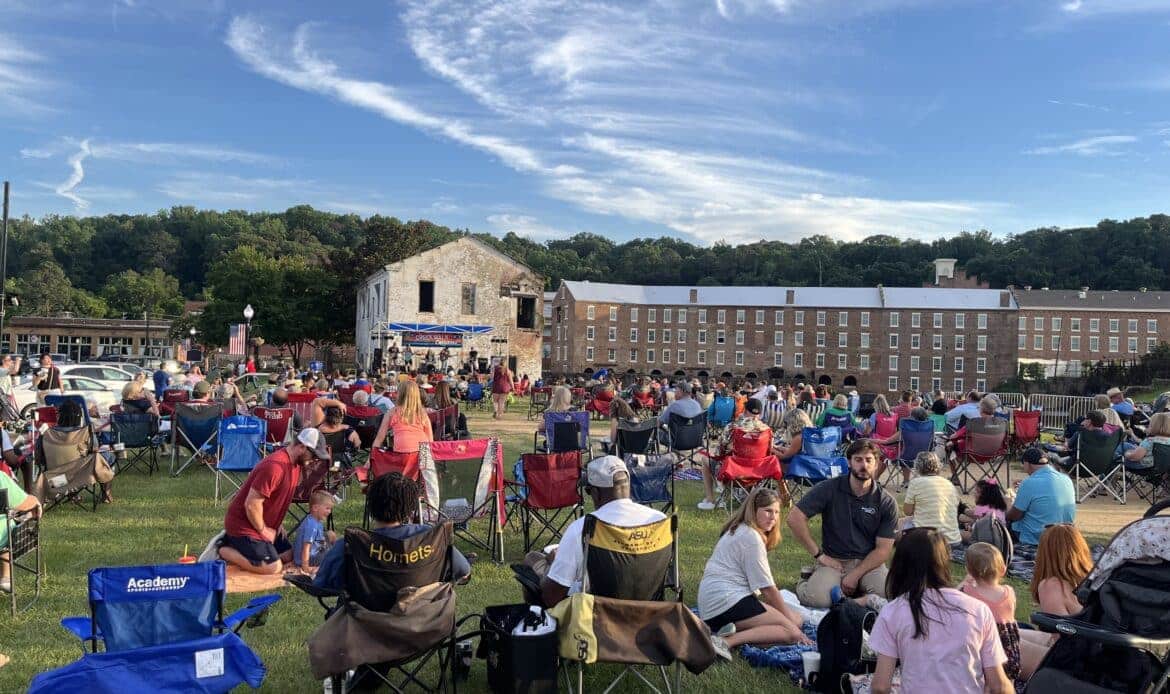
Severe storms hit Prattville, Millbrook with 70 mph winds, downed trees
Wind-driven storms tore through Prattville and Millbrook, snapping trees and putting Autauga County under a severe thunderstorm warning until 5 p.m.
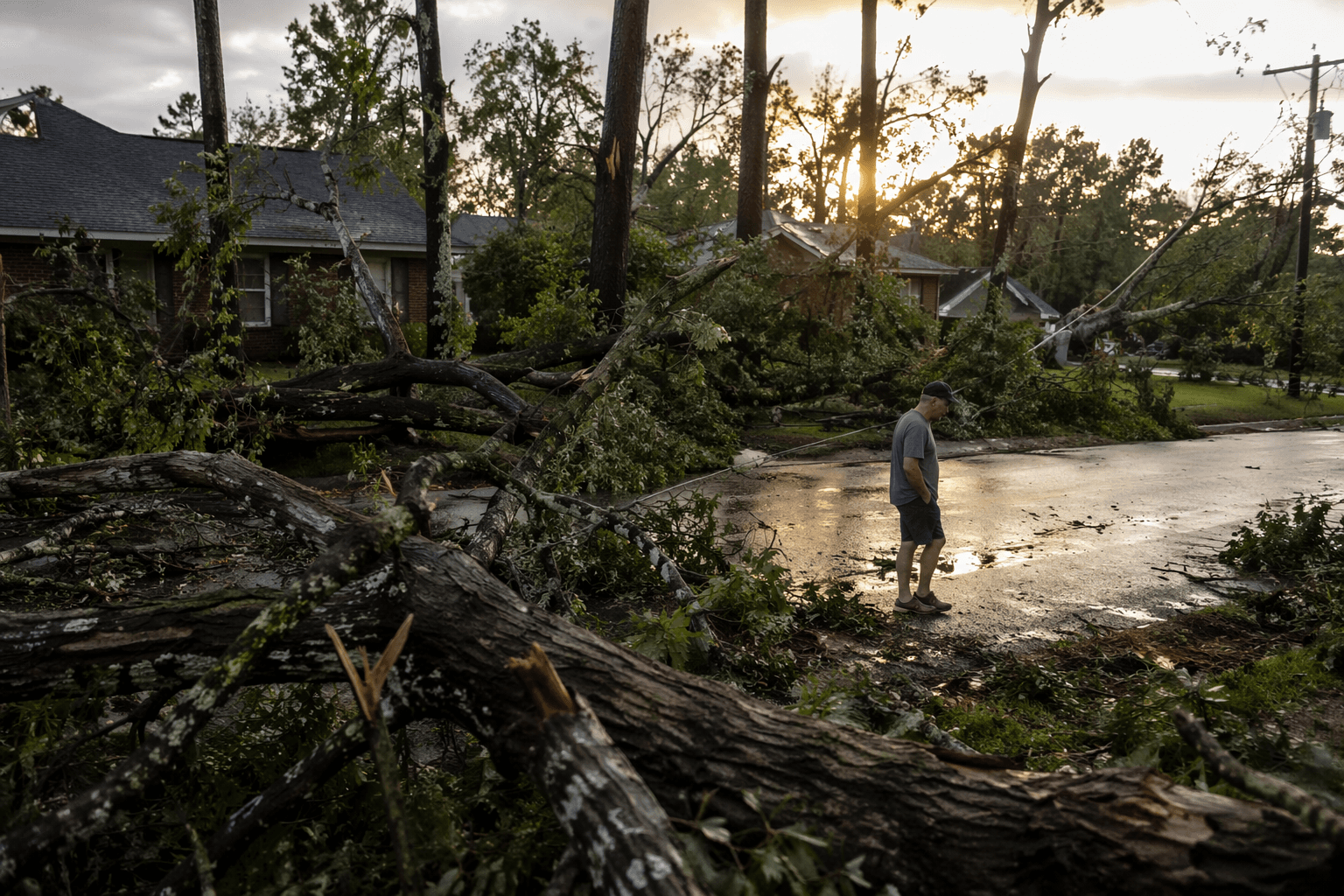
Downed trees were the first visible sign of the severe weather that swept through Prattville and Millbrook on June 1, when the National Weather Service placed Autauga, Elmore, Chilton, Tallapoosa and Coosa counties under a severe thunderstorm warning through 5 p.m. The warning singled out Prattville and said the storm line could damage vehicles, roofs, siding and trees as it moved southeast across central Alabama.
The alert described a fast-moving system, tracking southeast at 40 mph with wind gusts up to 60 mph and quarter-size hail. That combination put a wide stretch of central Alabama on notice as the storms approached, and it matched the kind of straight-line wind event that can bring quick, scattered damage rather than a single, concentrated hit.
The scale of the disruption reached far beyond Autauga County. Alabama Power said strong, windy storms toppled trees and left more than 100,000 people across Alabama without electricity by Monday afternoon, underscoring how quickly the line of storms affected utilities and daily travel. In communities like Prattville and Millbrook, that meant residents were dealing not just with fallen limbs and debris, but also with the threat of damaged roofs, siding and vehicles once the rain and wind passed.
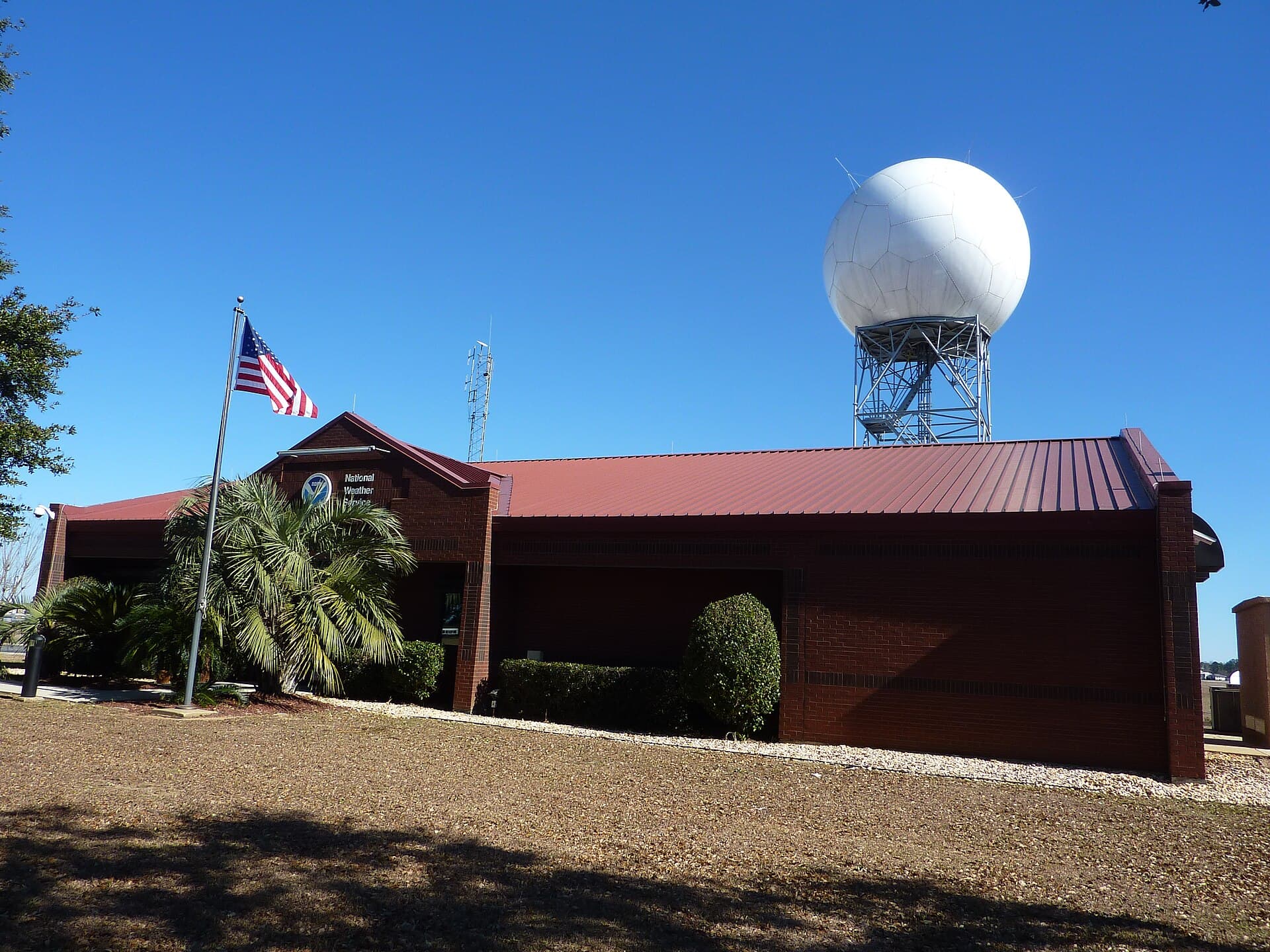
By June 3, NWS Birmingham’s local weather page showed no watches, warnings or advisories remaining. The office also maintains a storm-surveys archive that documents tornadoes, microbursts and damaging-wind events across Alabama, placing this round of storms in a longer pattern of spring severe weather across central Alabama.
For residents handling cleanup now, the priority is to photograph trees, roof damage, siding and vehicle damage before moving debris. Those images can support insurance claims and help document the extent of storm losses if more damage is discovered after the wind falls quiet. In a storm like this, the warning is only the beginning; the cleanup and repair work can last much longer than the line of thunderstorms itself.
This article was produced by Prism’s automated news system from verified source data, official records, and press releases, then run through automated quality and moderation checks before publishing. The system is built and supervised by the people who set the standards it runs under. Read our full AI policy.
Know something we missed? Have a correction or additional information?
Submit a Tip