Air Stagnation Advisory Reduced Air Quality in Baker County
The National Weather Service in Boise issued an Air Stagnation Advisory that began the evening of December 27 and persisted into December 29 and 30, trapping pollutants in valley areas of Baker County. The advisory warned that light winds and a surface temperature inversion degraded air quality below about 5,000 feet, creating health risks for people with respiratory conditions and others who spend time outdoors.
An Air Stagnation Advisory that took effect the evening of December 27 led to days of trapped pollution in lower elevations of Baker County. Light winds and a surface inversion kept particulate matter and other pollutants near the ground in valley locations below about 5,000 feet, producing air that officials cautioned could be unhealthy for sensitive groups.
The advisory window varied by forecast product, but the period of concern covered much of the December 28 timeframe and continued into December 29 and 30 in some forecasts. Local residents who live in valley communities experienced the worst of the conditions because cooler air near the ground prevented vertical mixing that would normally disperse vehicle emissions, wood smoke and other sources of pollution.
Health guidance issued with the advisory urged people with asthma, chronic obstructive pulmonary disease, heart disease and other respiratory conditions to limit outdoor exertion and to follow instructions from their medical providers. Children, older adults and people who work outdoors faced heightened risk because prolonged exposure to degraded air quality can exacerbate breathing problems and increase emergency health care visits.
The episode highlighted persistent equity issues in rural public health. Lower income households that rely on wood heat or older vehicles can both contribute to and suffer more from episodes of poor air quality. People without reliable access to air conditioned or filtered indoor spaces have fewer tools to reduce exposure during stagnant periods. Those layered burdens increase the likelihood of preventable illness in communities already facing health care access challenges.
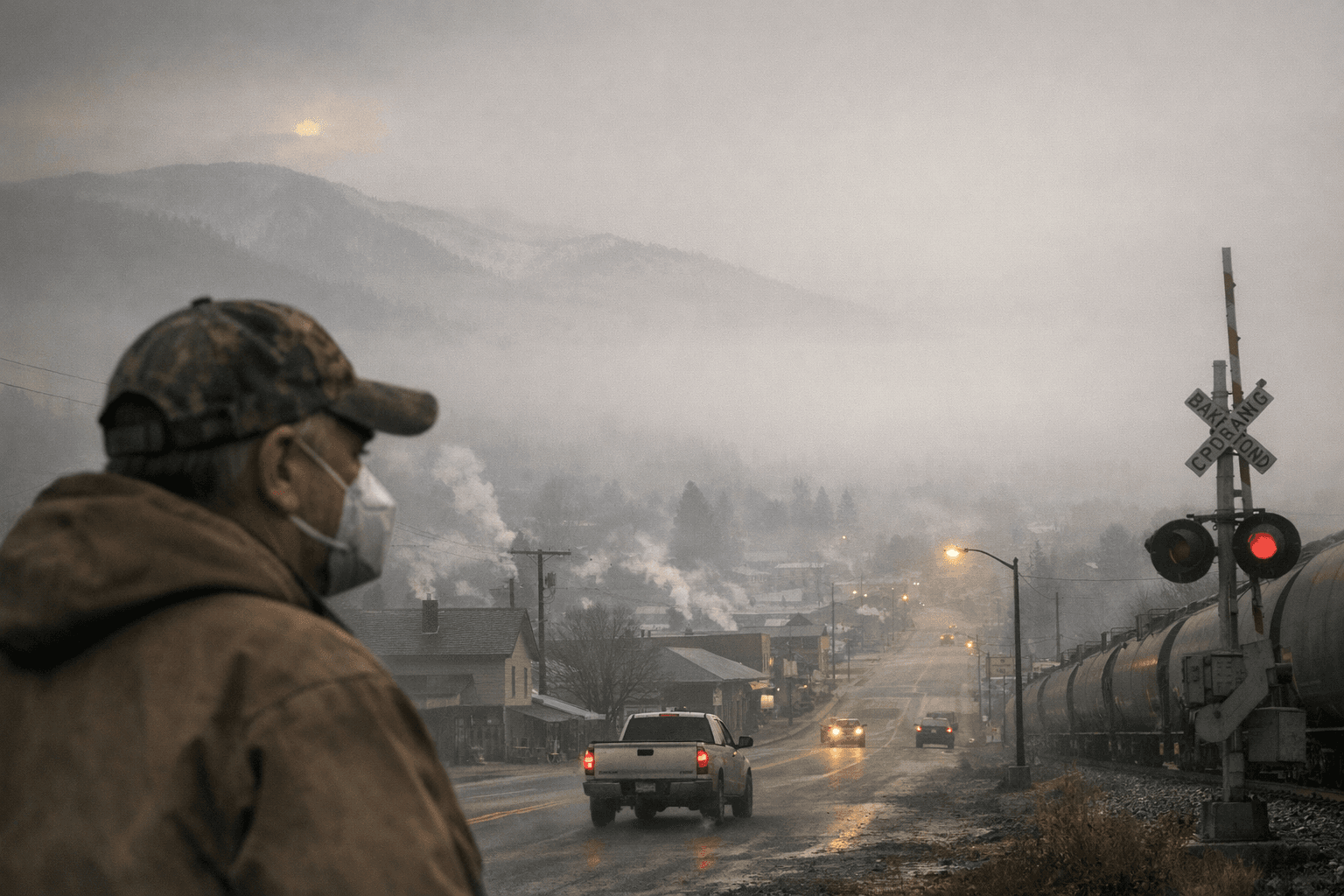
Local clinics and emergency departments were advised to be prepared for possible increases in respiratory complaints. Public health officials often encourage practical steps during such advisories, including limiting strenuous outdoor activity, keeping windows closed, using air purifiers if available and checking on neighbors who are medically vulnerable. For workers whose jobs require time outdoors, the advisory underscored the need for employers to consider temporary adjustments to schedules and tasks to reduce exposure risk.
The air stagnation event is a reminder that short term weather patterns interact with long term choices about heating, transportation and housing to shape air quality. Addressing repeated episodes will require investments in cleaner heating options, improved building ventilation in public facilities and policies that reduce emissions from transportation. For now, residents of Baker County who experienced breathing difficulty during late December were advised to seek medical care if symptoms worsened, and to follow action plans provided by their health care providers.
This article was produced by Prism’s automated news system from verified source data, official records, and press releases, then run through automated quality and moderation checks before publishing. The system is built and supervised by the people who set the standards it runs under. Read our full AI policy.
Did this article answer your question?


