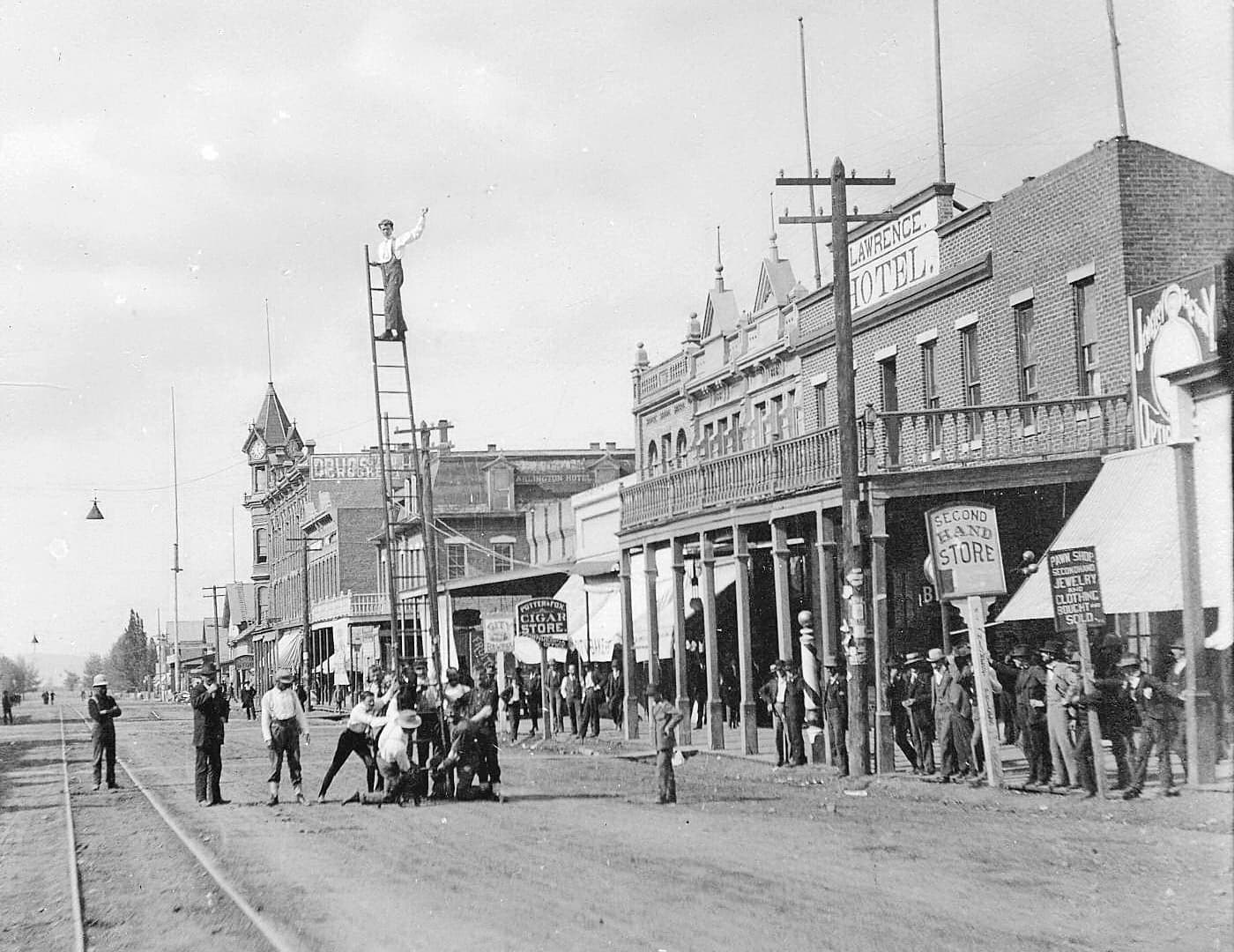
Baker City Clerk Rejects Petition Seeking Voter Approval for Main Street Restriping
Baker City Clerk Megan Langan rejected a petition that sought voter approval before changing travel-lane configurations on downtown streets, blocking an immediate ballot drive that could affect Main Street restriping.

Baker City Clerk Megan Langan rejected a prospective petition filed January 9 by John and Jody Jeffries that would have required voter approval for "major changes" to travel-lane configurations on Main Street, Campbell Street, Broadway and 10th Street. The decision, handed down January 26, stops the petitioners from beginning signature collection until the measure’s language is revised and approved by the city.
The Secretary of State’s office advised the original petition language appeared to address an administrative process rather than a permissible legislative ballot amendment, a distinction that prompted Langan’s rejection. Under city rules, petitioners must secure city approval of final ballot language before gathering signatures; only after that step can advocates collect the roughly 1,130 signatures estimated to be necessary to place a measure on the Baker City ballot.
John and Jody Jeffries said the petition was aimed at blocking plans to restripe Main Street from four through lanes to a two-lane configuration with a center turn lane. That restriping proposal has been at the center of local debate, and a successful citizen initiative would shift authority over future lane-configuration decisions from city staff or council process to a public vote.
The clerk’s action does not prevent the Jeffries from revising and resubmitting their measure. But it does place the effort on a procedural timeline: language must meet the statutory test for a legislative ballot measure, receive city clearance, then move into the signature-gathering phase. If petitioners collect the required signatures and the city verifies them, the measure could appear on a future municipal ballot; without approved language or sufficient valid signatures, the proposal cannot proceed to voters.
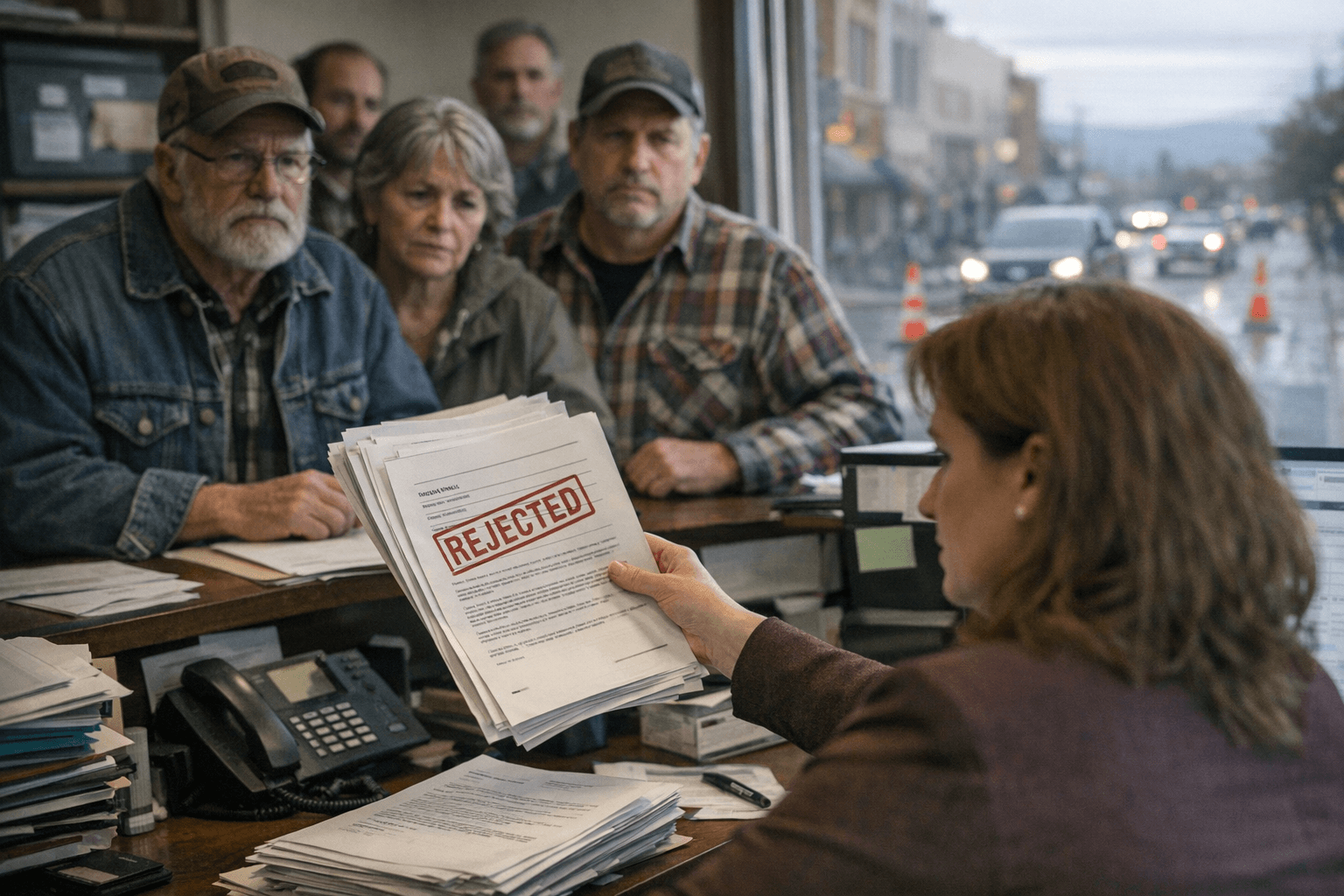
For residents, the dispute matters because lane configurations on Main Street and adjacent corridors influence daily travel, access to downtown businesses, and municipal planning choices. A citizen-driven ballot question would add a direct-public-vote layer to what is often an administrative transportation decision, affecting how quickly and easily the city can make future street-design changes.
Watch for a resubmitted petition and a new review by the city. If the Jeffries meet the city’s requirements and gather roughly 1,130 valid signatures, Baker City voters may ultimately be asked to decide whether major changes to travel lanes downtown require pre-approval at the ballot box.
This article was produced by Prism’s automated news system from verified source data, official records, and press releases, then run through automated quality and moderation checks before publishing. The system is built and supervised by the people who set the standards it runs under. Read our full AI policy.
Did this article answer your question?