Baker City Council Considered Placing Tax Liens on Ten Properties
On November 14, Baker City council considered a staff recommendation to attach tax liens to ten properties whose owners had not paid outstanding weed cutting bills, a step that could place those charges on property tax statements. The move matters to local residents because it reflects how the city enforces nuisance abatement, affects property tax obligations, and signals potential costs for homeowners and taxpayers.
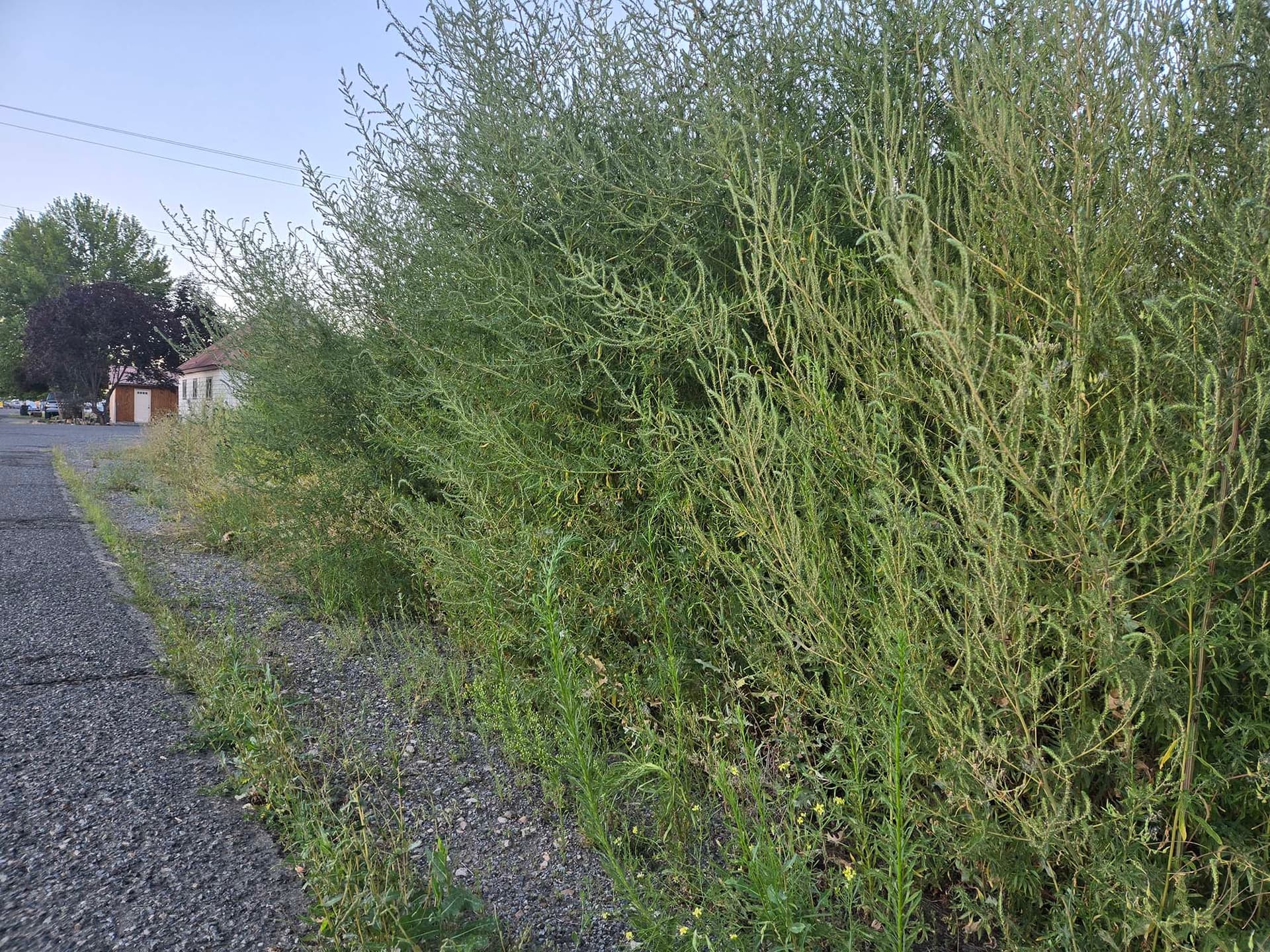
Baker City officials on November 14 reviewed a staff recommendation to place tax liens on ten properties with unpaid weed cutting bills, moving unpaid municipal charges toward collection through property tax statements. The staff report detailed the city nuisance abatement process, identified the properties and the amounts owed, and described the next steps should the council approve the measure.
The report said liens would be used as a last resort after property owners had received notice and been given an opportunity to pay. If approved by council, the unpaid weed cutting charges would be converted into a charge on the affected properties' tax statements, ensuring collection through the regular property tax process. The report listed each parcel and corresponding amounts owed, though those figures were not released in the council summary.
For residents, the proposal underscored the practical effects of municipal code enforcement. Property owners with unpaid abatement bills could see their obligations added to annual tax statements, potentially creating larger year end tax charges and complicating property transactions until liens are resolved. For the broader community, the enforcement effort is tied to neighborhood upkeep and public safety objectives that local governments cite when clearing overgrown lots.

City leaders framed the measure as part of routine maintenance of public nuisance rules, aimed at recouping costs the city incurred when it contracted weed cutting and other abatement services. The use of tax liens follows a legal process that begins with notice to property owners, and it acts as a mechanism to ensure the city does not absorb repeated unpaid costs. The council meeting agenda noted that approval would formalize the conversion of those debts into tax charges if account balances remained unsettled.
The Baker City Herald reported on the council discussion and the contents of the staff recommendation. Residents with concerns or questions about specific properties or potential liens are advised to contact city hall for information on how the nuisance abatement process and collection steps may affect individual tax statements and obligations.
Know something we missed? Have a correction or additional information?
Submit a Tip