Baker City council questions limited hours for splash pad access
Councilors said a 1-to-5 p.m. splash pad schedule would shut out working parents and children during the day’s hottest hours.

Baker City’s new splash pad has already become a test of whether a popular downtown amenity can be run in a way that matches when families actually use it. Councilors questioned the city’s plan to limit access to 1 p.m. through 5 p.m. every day, saying the window would be inconvenient, especially for working parents.
The concern goes beyond convenience. A schedule that starts after lunchtime and ends before evening can leave out children who are free earlier in the day, parents who work traditional hours, and families trying to fit in a stop before dinner or after errands. Councilors also pressed for clarity on what is driving the limit in the first place, whether the issue is staffing, cost, maintenance, or liability, since that answer will determine whether the city can expand the hours quickly.
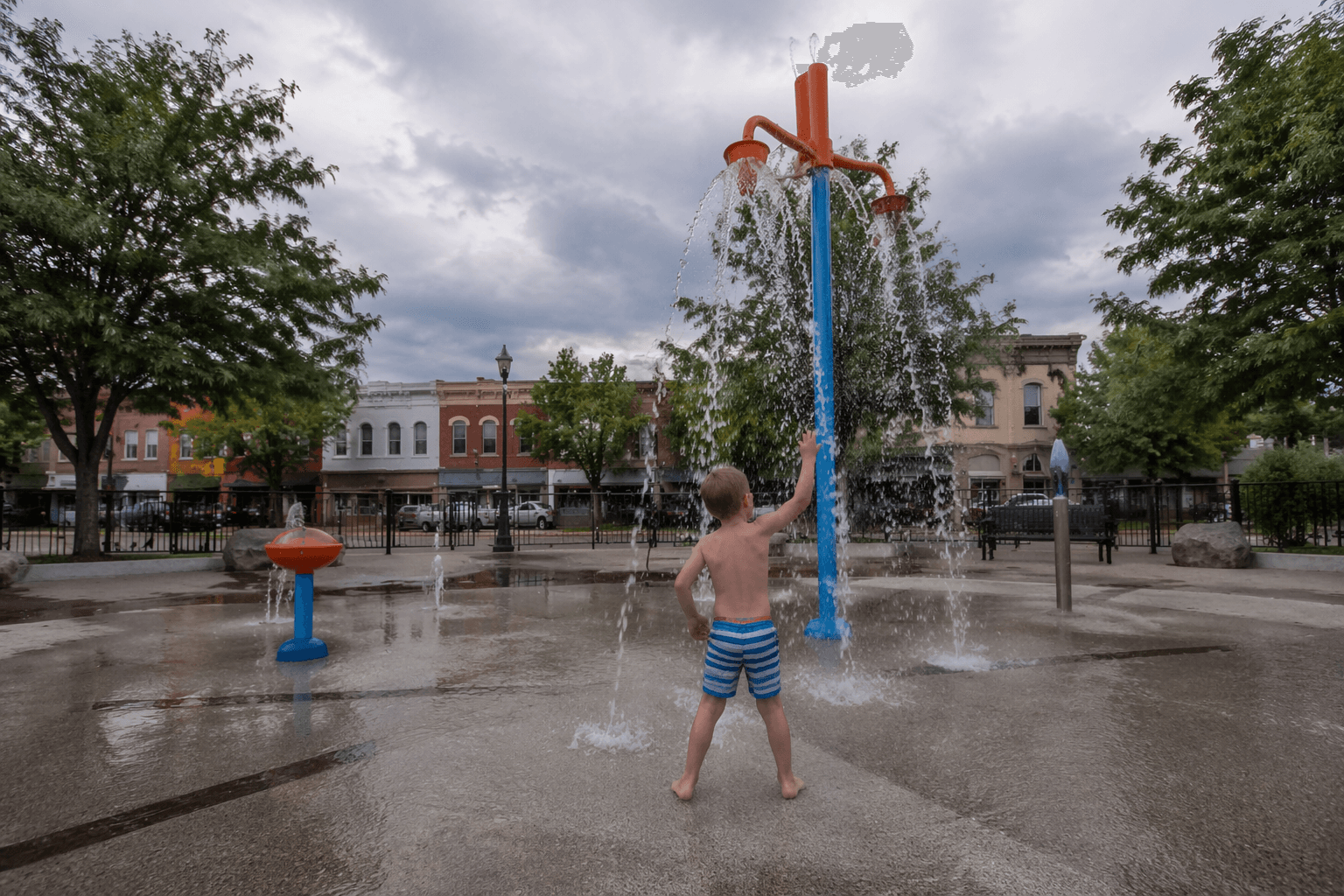
The splash pad sits in Central Park, which the city describes as Baker City’s newest and most centrally located park, near the Powder River and between Washington Avenue and Valley Avenue. The attraction is in its second summer of operation, after opening with a community celebration on June 14, 2025. City messaging in June again tied the splash pad to responsible water conservation, showing that summer water use remains part of the operational calculation even as residents push for broader public access.
That balance has been part of the project from the beginning. The idea for Central Park began forming more than 10 years ago, according to the city’s own park page. Baker City Parks and Recreation Advisory Board records once put the cost of a splash pad and public art feature in the neighborhood of $80,000, and a Baker City Herald report in January 2023 said two grants totaling $42,000 helped move the project forward, including $25,000 from the Leo Adler Foundation and $17,000 from Ash Grove Cement.
The latest council discussion suggests the city is still fine-tuning how to manage the space now that it exists. For Baker City, the question is no longer whether Central Park could support a splash pad, but whether the current schedule is limiting the very public use the city spent years building toward.
This article was produced by Prism’s automated news system from verified source data, official records, and press releases, then run through automated quality and moderation checks before publishing. The system is built and supervised by the people who set the standards it runs under. Read our full AI policy.
Know something we missed? Have a correction or additional information?
Submit a Tip