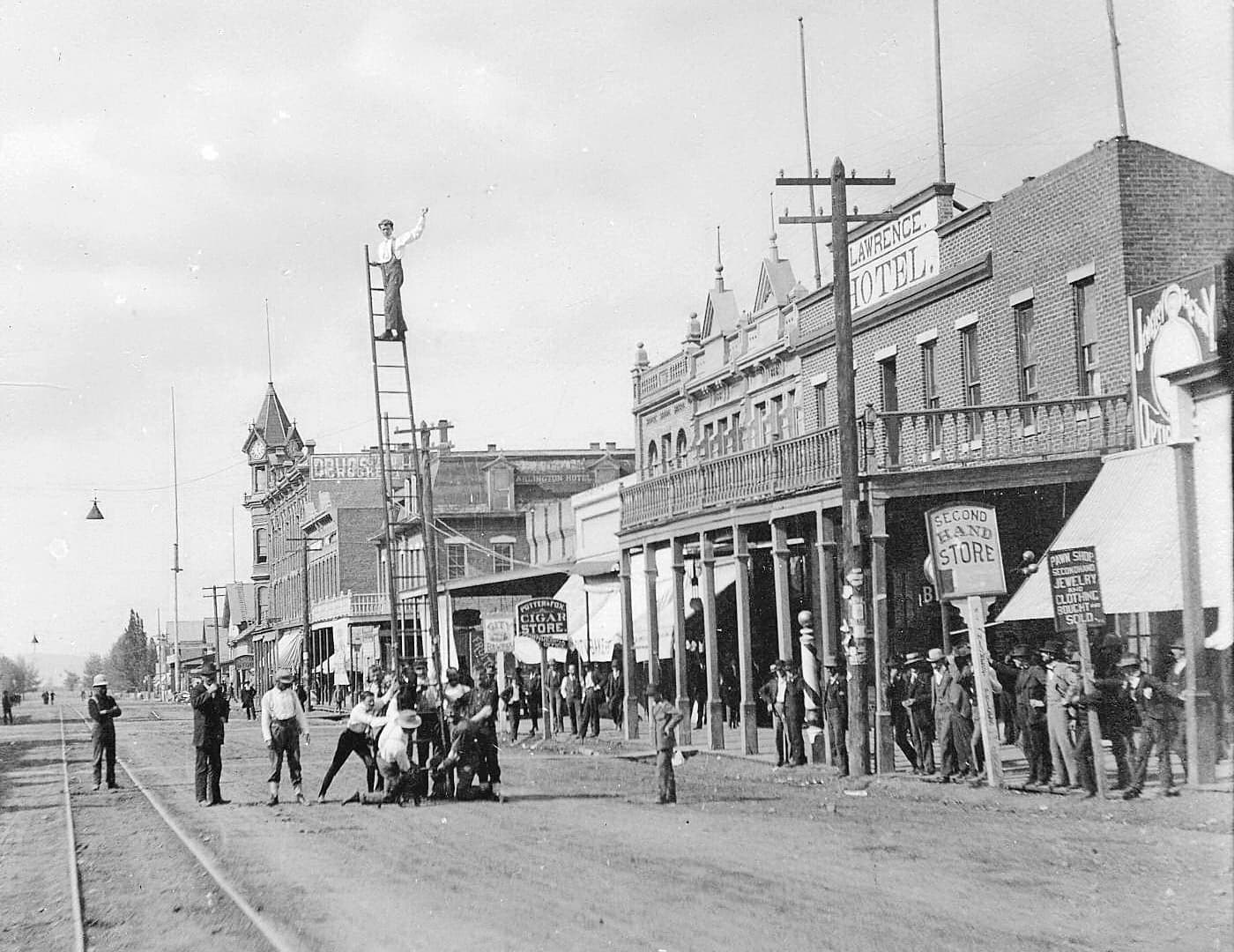
Baker City Council Scheduled Union Pacific Quiet Zone Consideration
Baker City Council scheduled consideration of an agreement with Union Pacific Railroad to establish a train whistle quiet zone inside city limits, with the item placed on the November 17 council agenda. The proposal matters to residents because creating a quiet zone typically requires safety upgrades and often local fundraising, efforts that local groups were pursuing but had not yet fully funded.
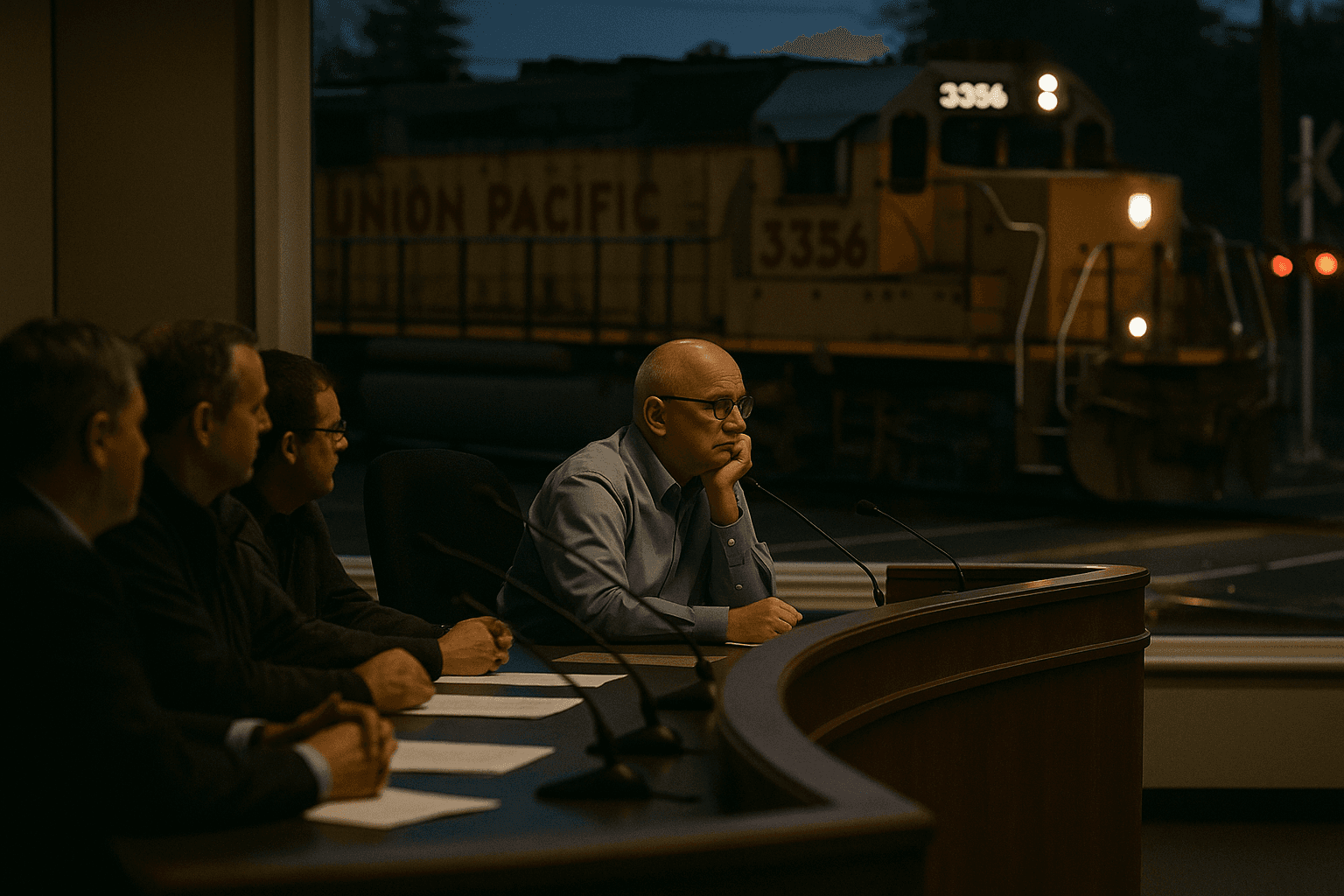
City officials moved forward last month with a proposal to explore a train whistle quiet zone within Baker City by placing an agreement with Union Pacific Railroad on the November 17 council agenda. The step signaled municipal interest in reducing noise from locomotive horns at crossings inside city limits, while acknowledging that federal safety rules govern when horns may be silenced.
Establishing a quiet zone is not simply a matter of signing an agreement. Federal requirements typically call for safety upgrades at railroad crossings to maintain or improve protections for motorists and pedestrians before horns may be turned off. That often means capital work and oversight that local governments must plan and fund, and it frequently requires additional local fundraising to meet the federal threshold for a certified quiet zone. Local groups in Baker were reported to be working to raise the necessary funds, but as of November 14 they had not reached their goal.
Union Pacific, a national freight railroad that operates routes across multiple states, is a key partner in any such effort. The agreement under consideration would set terms for how the city and the railroad coordinate on crossings, safety measures, and the potential implementation of a quiet zone. For residents this balance between safety and quality of life is immediate and practical. A successful quiet zone could reduce nighttime and early morning noise for neighborhoods close to the tracks, while failing to meet safety standards could leave crossings unchanged.
The process underscores broader tensions familiar to communities near rail corridors, where local desires for quieter streets meet national safety regulations and the operational priorities of large freight carriers. It also highlights civic engagement at the local level, as volunteer groups and community fundraising efforts can determine whether a project moves forward.
Residents who wanted more information or wished to weigh in were encouraged to attend the city council meeting on November 17 or to contact city staff for updates. As the city evaluates technical, financial, and regulatory requirements, the outcome will shape daily life for those living and working near Baker City rail crossings.
This article was produced by Prism’s automated news system from verified source data, official records, and press releases, then run through automated quality and moderation checks before publishing. The system is built and supervised by the people who set the standards it runs under. Read our full AI policy.
Did this article answer your question?