Baker City logs second-driest May after record wet April
Baker City’s May was the second-driest since World War II, turning April’s flood of rain into a brief reprieve before summer heat and fire risk returned.
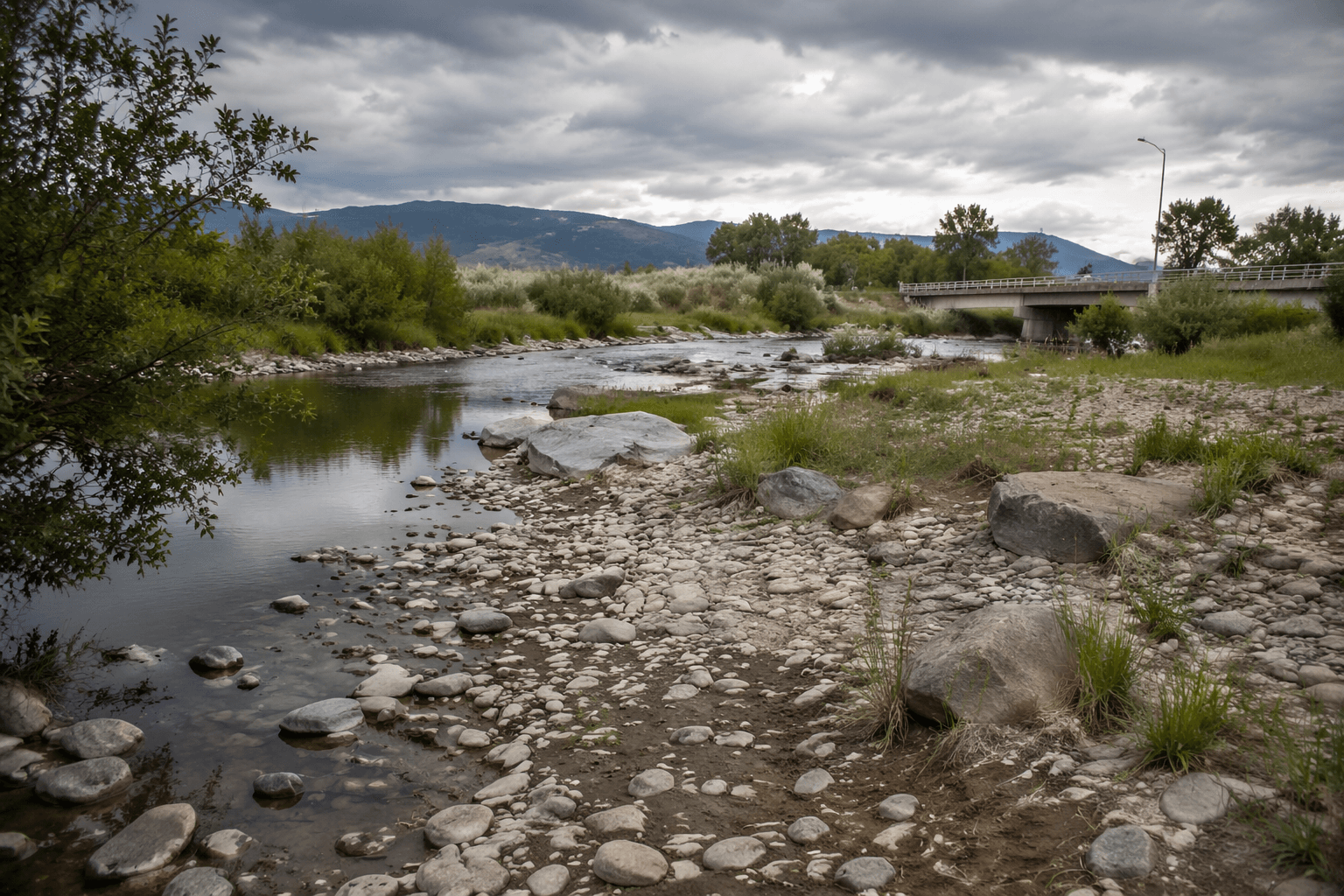
Dry ground, stressed water supplies and rising fire danger came back fast in Baker County. Baker City logged its second-driest May since World War II, a sharp reversal after April 2026 became the second-wettest April at the Baker City Airport since at least 1943.
That swing matters because Baker County depends on late spring moisture to carry pastures, gardens, streamflow and irrigation into summer. A dry May can dry out fuels in the hills around Baker City, the Powder River and the Burnt River Valley, while also tightening pressure on county water planning and the systems that serve farms and ranches across Baker Valley.
The April relief was real, but it was brief. Through April 23, the airport had recorded 2.55 inches of rain, far above the April average of 0.80 inch. Only April 1978 was wetter at the airport, with 3.58 inches. One storm on April 12 delivered 0.97 inch, the wettest single day there in more than two and a half years and a new rainfall record for that date.
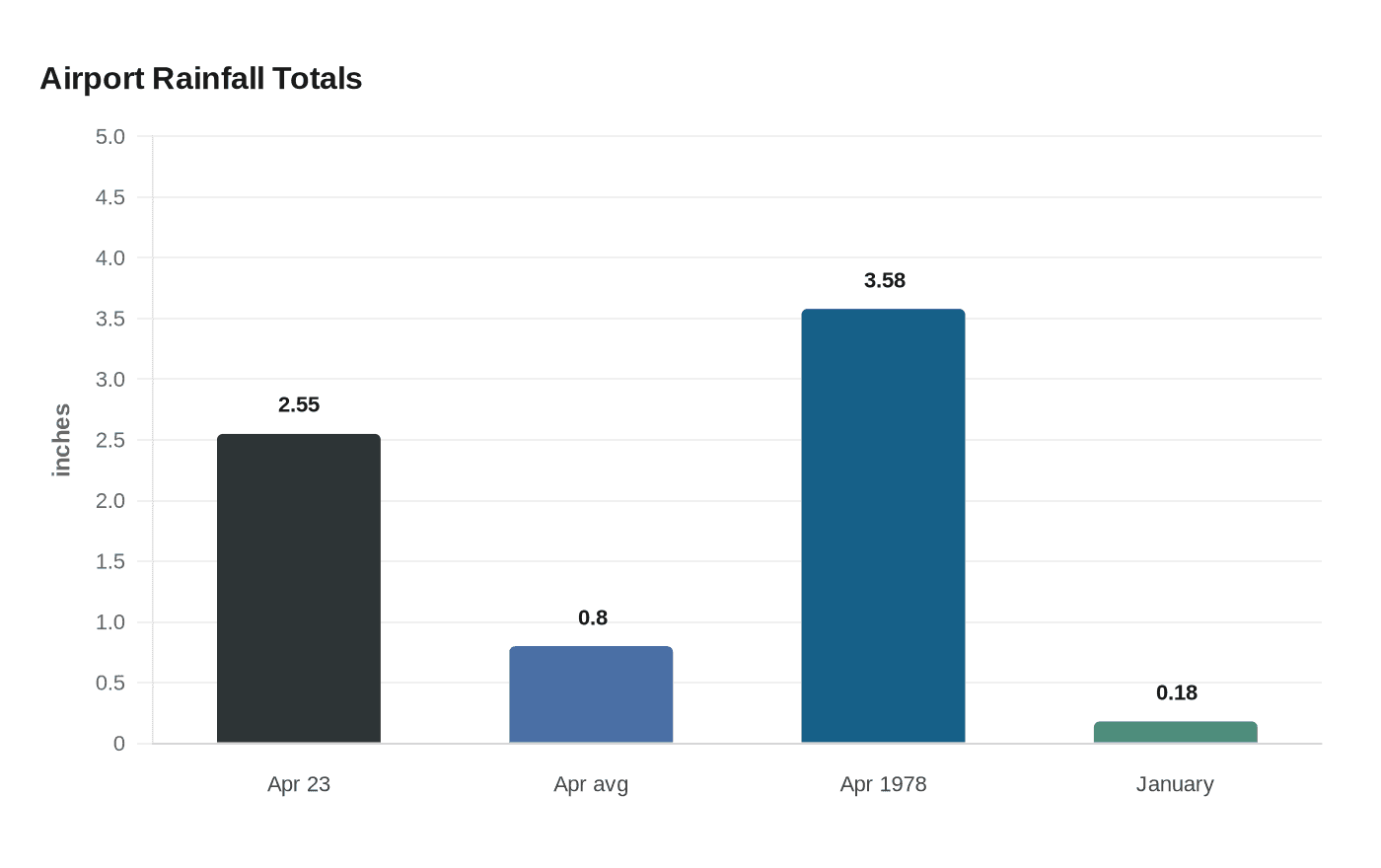
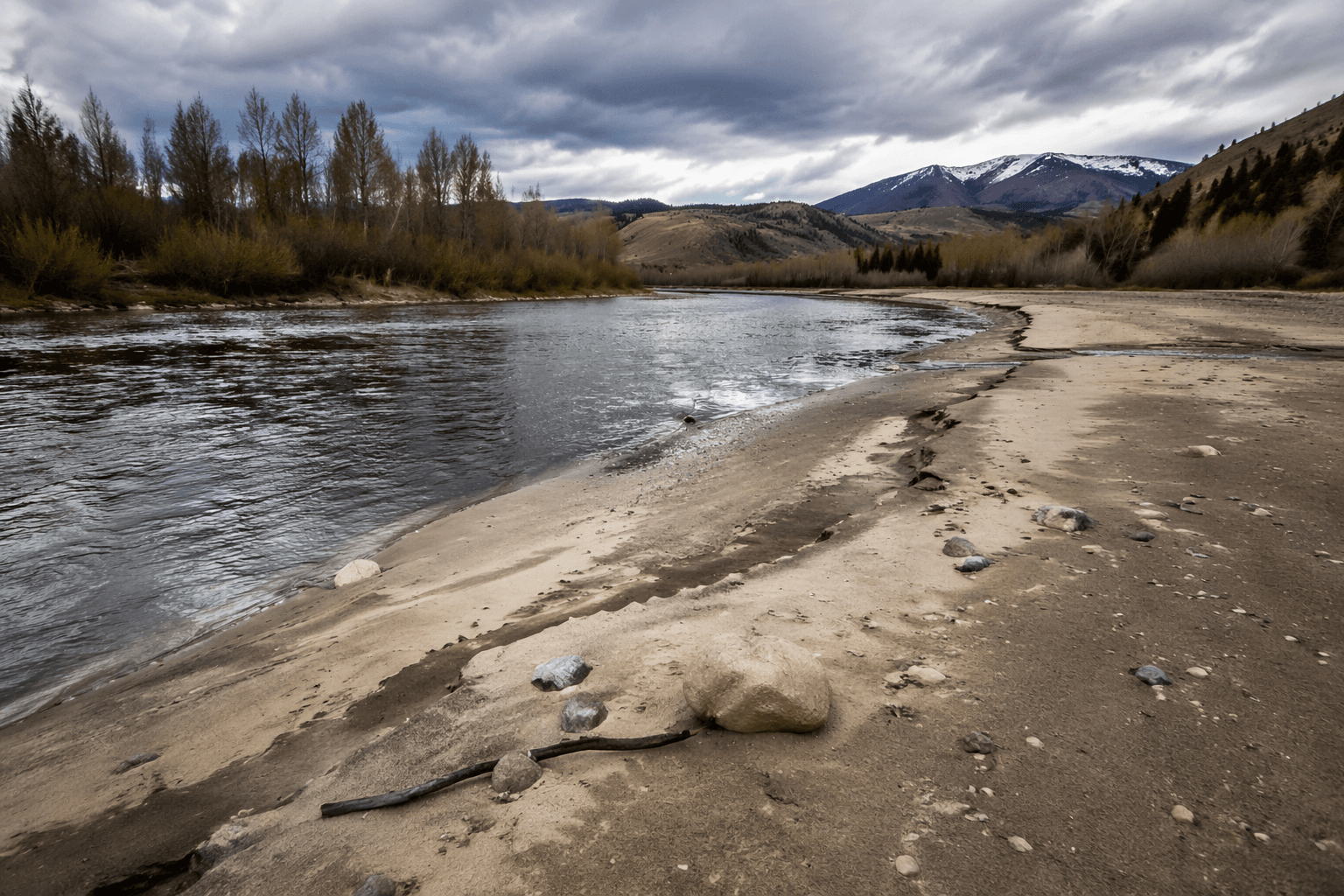
Even that soaking did not erase the dry start to the year. On Feb. 18, the Baker County Board of Commissioners voted 3-0 to declare a local drought disaster and asked Gov. Tina Kotek to declare a drought emergency after mountain snowpack fell to less than half of average. January precipitation at the Baker City Airport totaled only 0.18 inch, the second-driest January since World War II.
Spring temperatures added to the strain. On March 18, the airport reached 77 degrees, the second-warmest March temperature on record there and the earliest 75-degree reading ever measured at the site. By April 13, the U.S. Drought Monitor showed most of Baker County in moderate drought, with about 10% to 11% in severe drought.
Kotek declared drought emergencies for Baker, Deschutes and Umatilla counties on March 26. By early May, the National Weather Service Pendleton office said above-normal temperatures and mostly dry conditions were expected across Eastern Oregon, along with periods of low relative humidity and breezy to windy weather that could speed drying.
For Baker County, the message from May was not just that rain stopped. It was that one wet month could not undo a year already marked by low snowpack, dry soils and official drought action, leaving producers, water managers and fire planners facing a harder summer than April briefly suggested.
This article was produced by Prism’s automated news system from verified source data, official records, and press releases, then run through automated quality and moderation checks before publishing. The system is built and supervised by the people who set the standards it runs under. Read our full AI policy.
Know something we missed? Have a correction or additional information?
Submit a Tip